
A rainy spring day took us through the monumental heart of Washington, D.C. — from the Lincoln Memorial and the National Mall to the White House and the U.S. Capitol. Here are our original photographs and a short video from the trip, with a final stop in Philadelphia.
Washington, D.C. is one of those cities where many places look familiar long before you arrive. The Lincoln Memorial, the Washington Monument, the White House and the Capitol appear so often in photographs and films that you almost feel you know them already. But walking among these buildings is a different experience.
MAY 2010 · WASHINGTON, D.C. · ORIGINAL PHOTOS & VIDEO
Destination
Washington, D.C., USA
When
May 2010
Highlights
National Mall, memorials, White House and the Capitol
Also in our short film: a brief stop at Independence Hall in Philadelphia.
We visited on a cloudy, rainy day in May 2010. The wet stone, umbrellas and soft spring light gave the city a quieter atmosphere than we expected. Even without blue skies, the long views across the National Mall were impressive — and the rain made several of our photographs more interesting.
We spent our time around Washington’s best-known monuments and government buildings, stopping to look at the details as well as the famous views. The short film below brings those places to life, while the photographs let us share a few moments from the day.
Watch our Washington, D.C. travel video
Our short travel film shows Washington on the same overcast spring day, with views of the monuments, fountains, memorials and the White House area. It is a nice way to see the scale of these places before exploring the photographs below.
First impressions of the National Mall
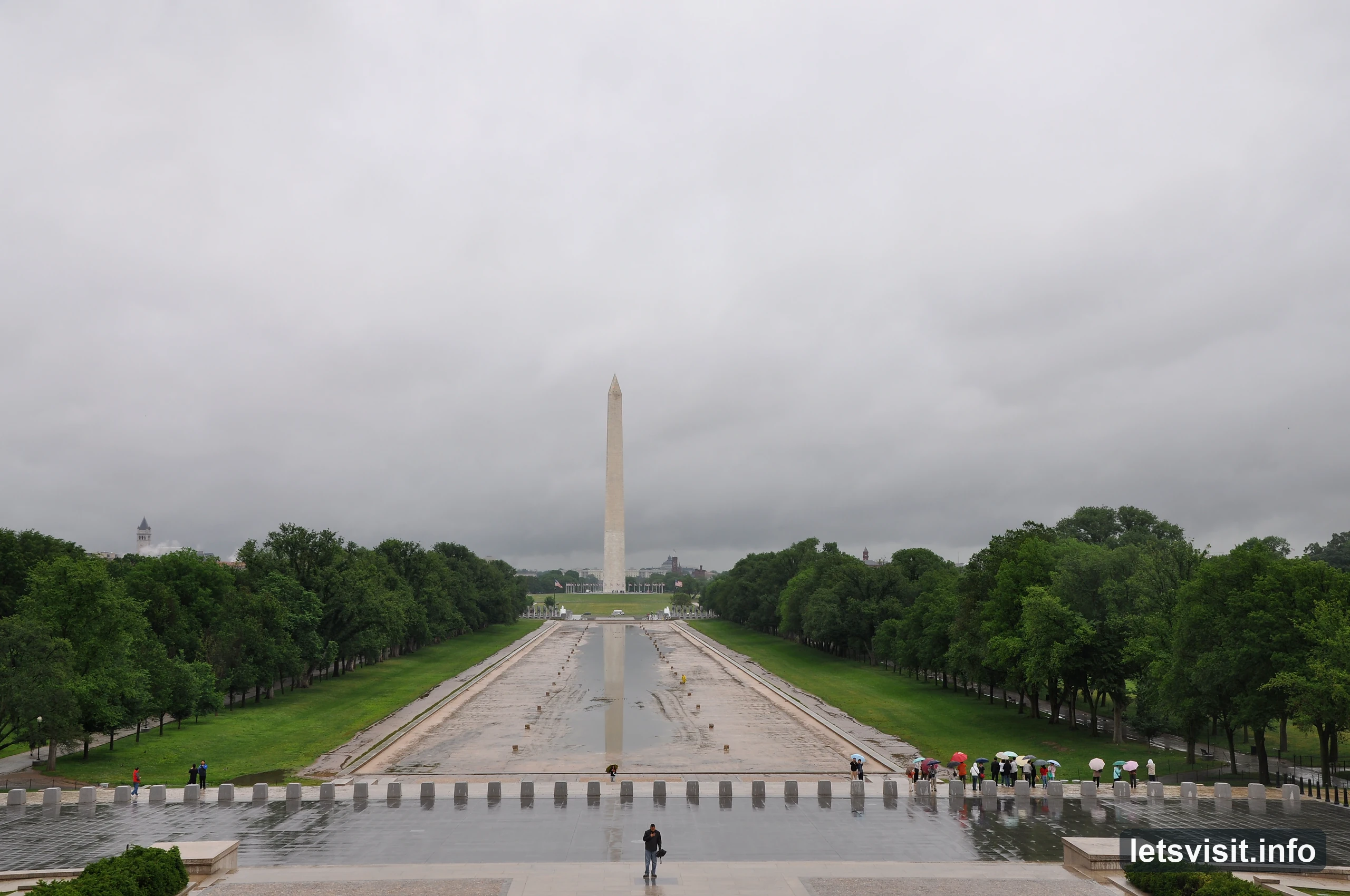
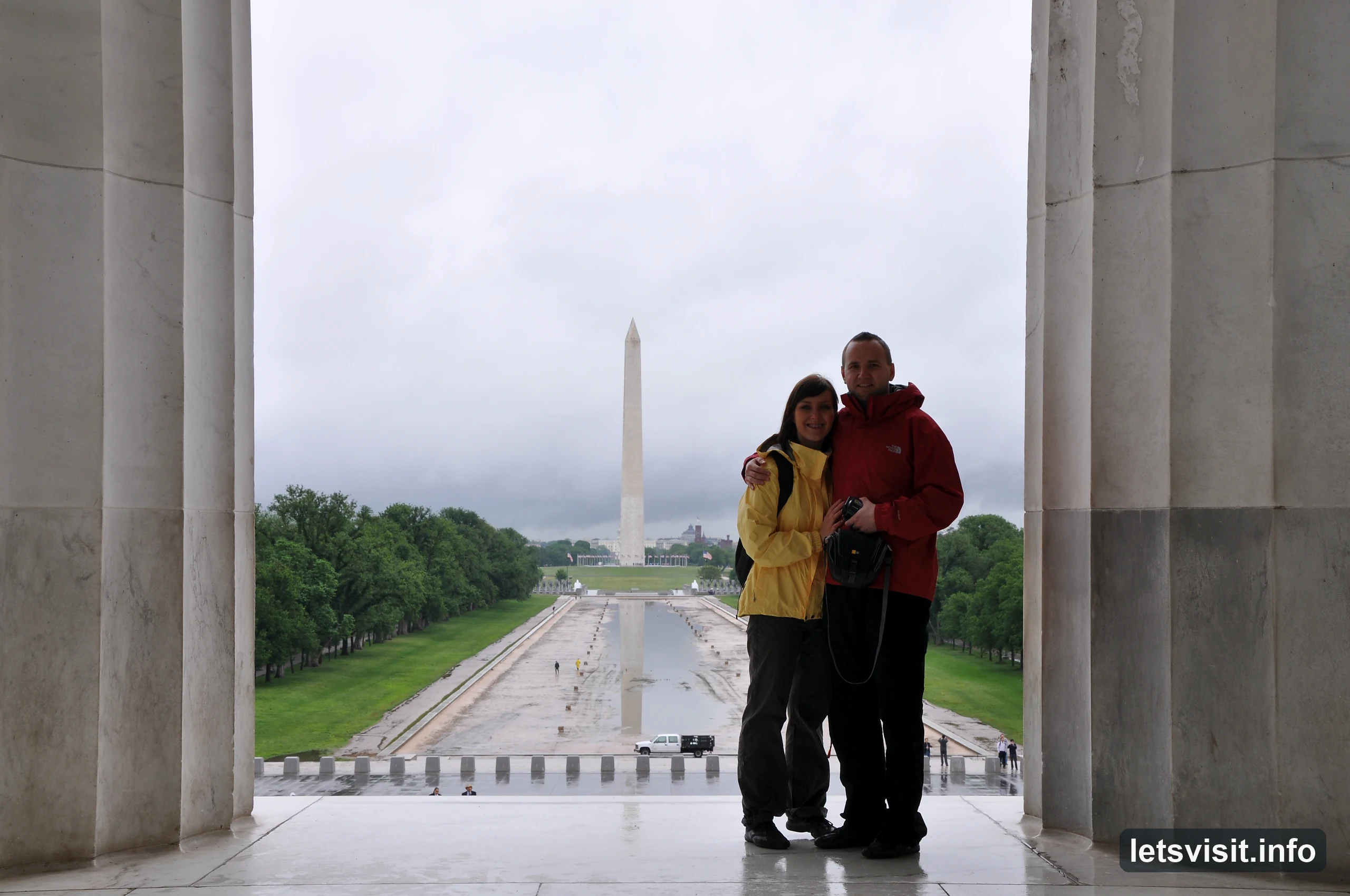
The National Mall is the kind of place where the city’s layout makes an impression straight away. Broad lawns, long rows of trees and monumental buildings create striking views in almost every direction. From the Lincoln Memorial, the Washington Monument stands at the far end of one of Washington’s best-known perspectives.
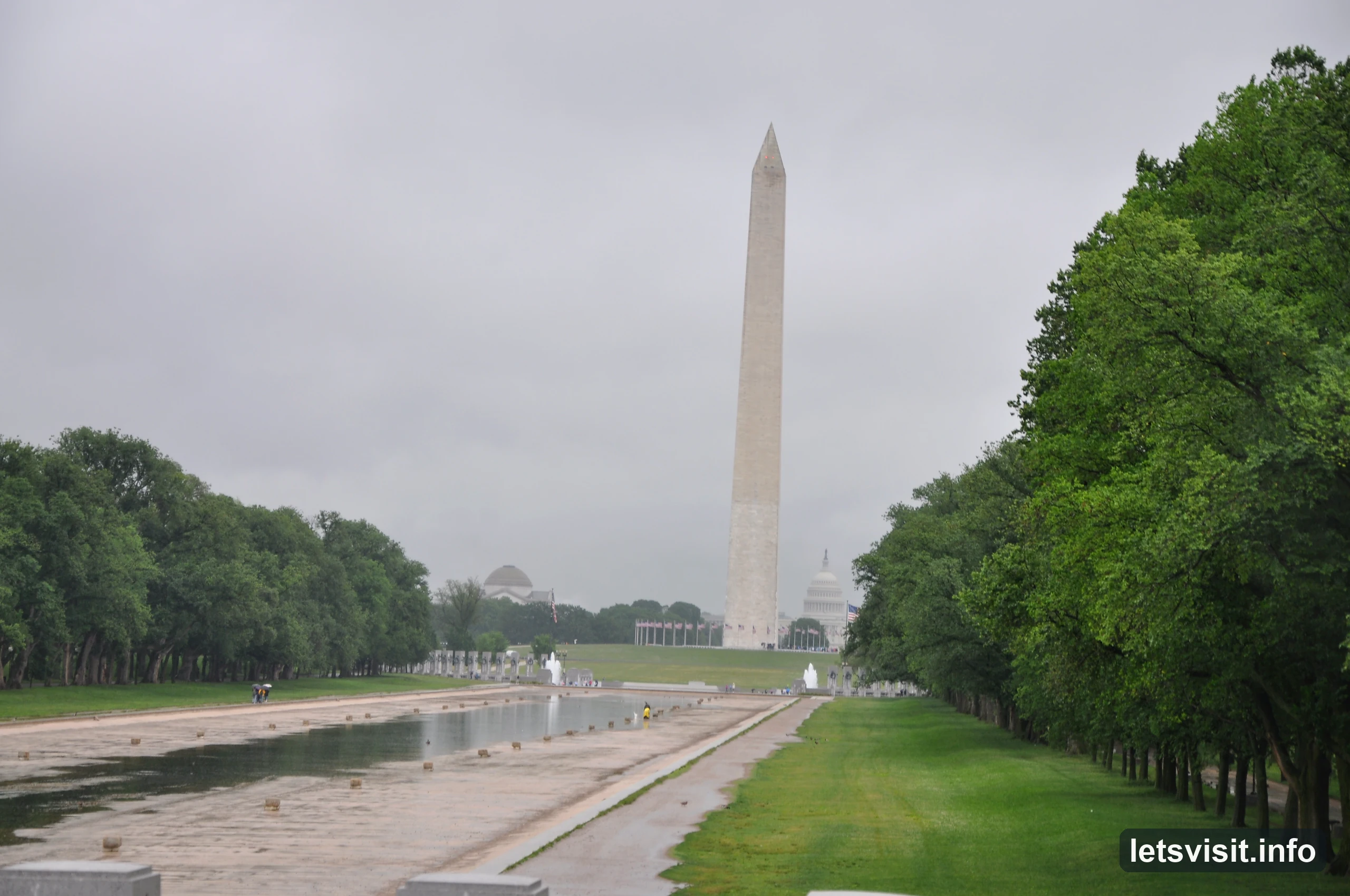
The Reflecting Pool looked unusual during our visit. Instead of a full mirror of water, much of the basin was exposed, with a narrow stretch still reflecting the monument. Together with the wet paving and umbrellas, it made a very different scene from the classic sunny view.
The Washington Monument was completed in 1884 and dedicated in 1885. Its pale stone obelisk remains one of the strongest visual landmarks in the city, visible from many points around the Mall.
Look for the long sightline between the Lincoln Memorial and the Washington Monument.
Lincoln Memorial
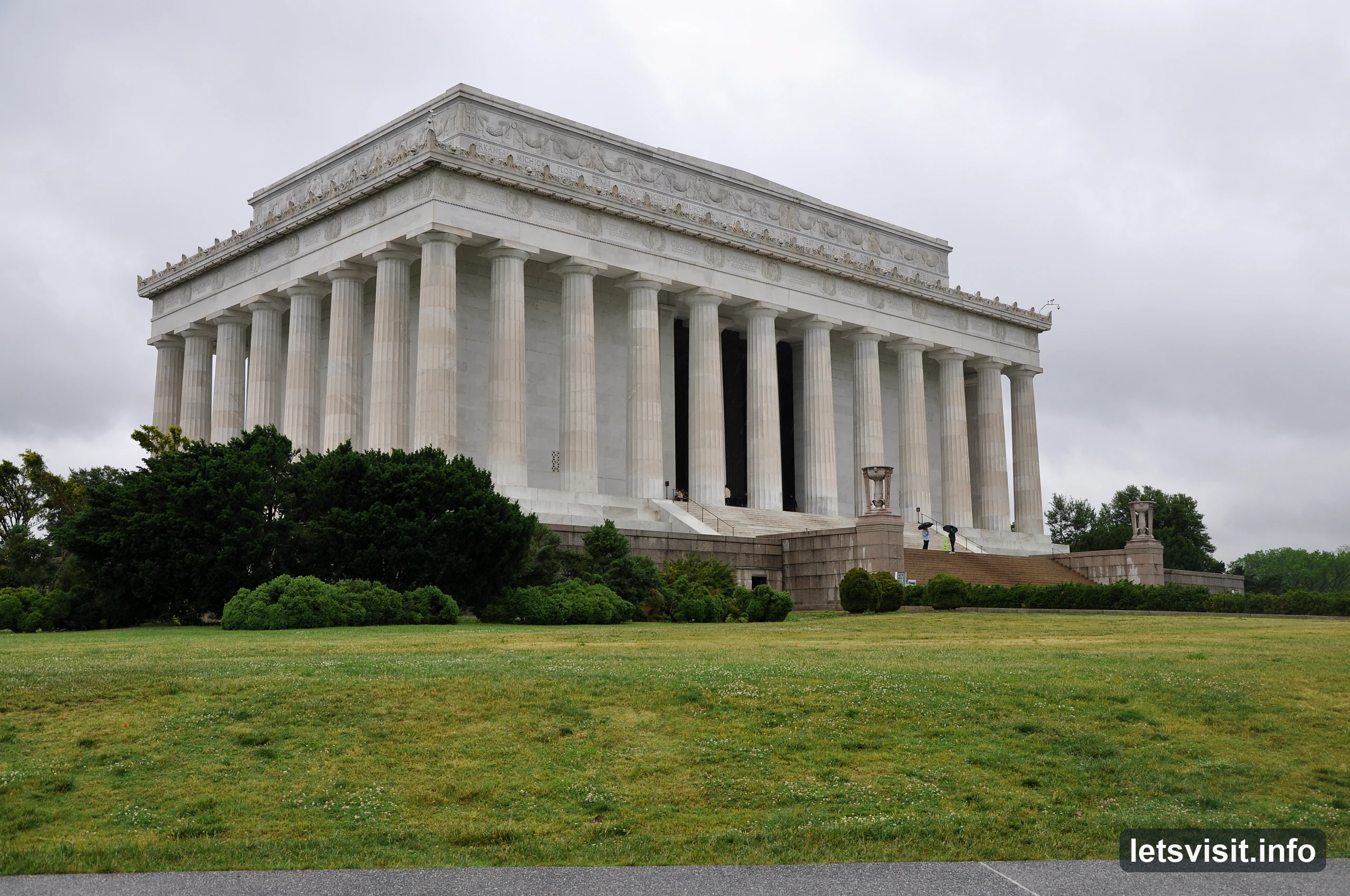
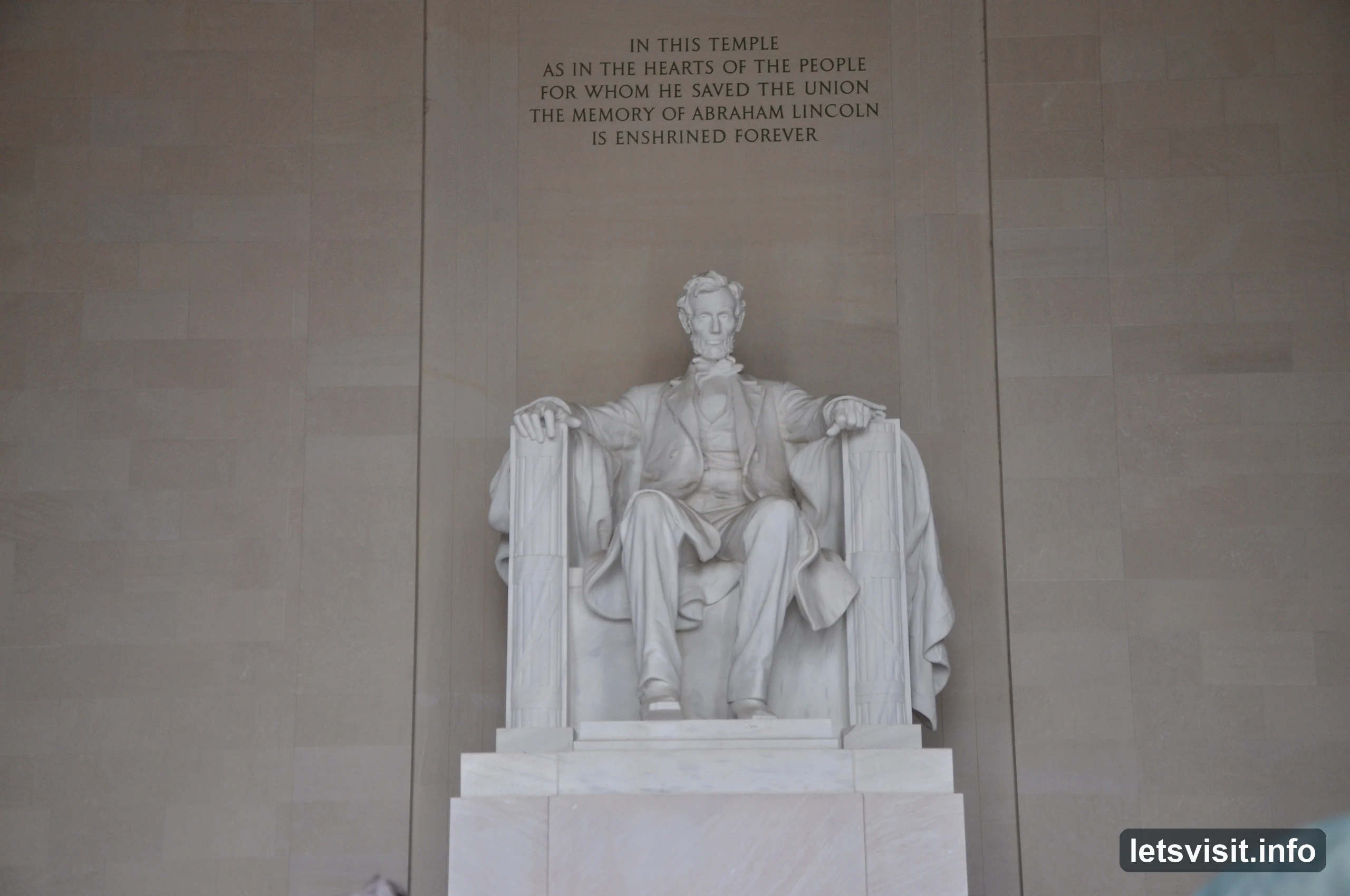
The Lincoln Memorial was one of the most memorable places we saw in Washington. Its enormous columns and broad steps are impressive from the outside, but stepping inside changes the atmosphere. The great seated statue of Abraham Lincoln dominates the chamber, with inscriptions and architectural details surrounding it.
The memorial was dedicated in 1922. Henry Bacon designed the building, while sculptor Daniel Chester French created the statue of Lincoln. Standing inside, it is easy to appreciate how the architecture and sculpture work together to make the space feel both grand and personal.
Even with the rain outside, this was a place worth spending time in. The contrast between the open Mall and the quiet stone interior was one of the strongest impressions of our visit.
War memorials along the Mall
Washington’s memorials tell very different stories, even when they stand only a short distance apart. One of the places included in our film is the Three Servicemen statue at the Vietnam Veterans Memorial. Frederick Hart’s bronze figures bring the experience of war down to a human scale — three soldiers rather than a vast monument.
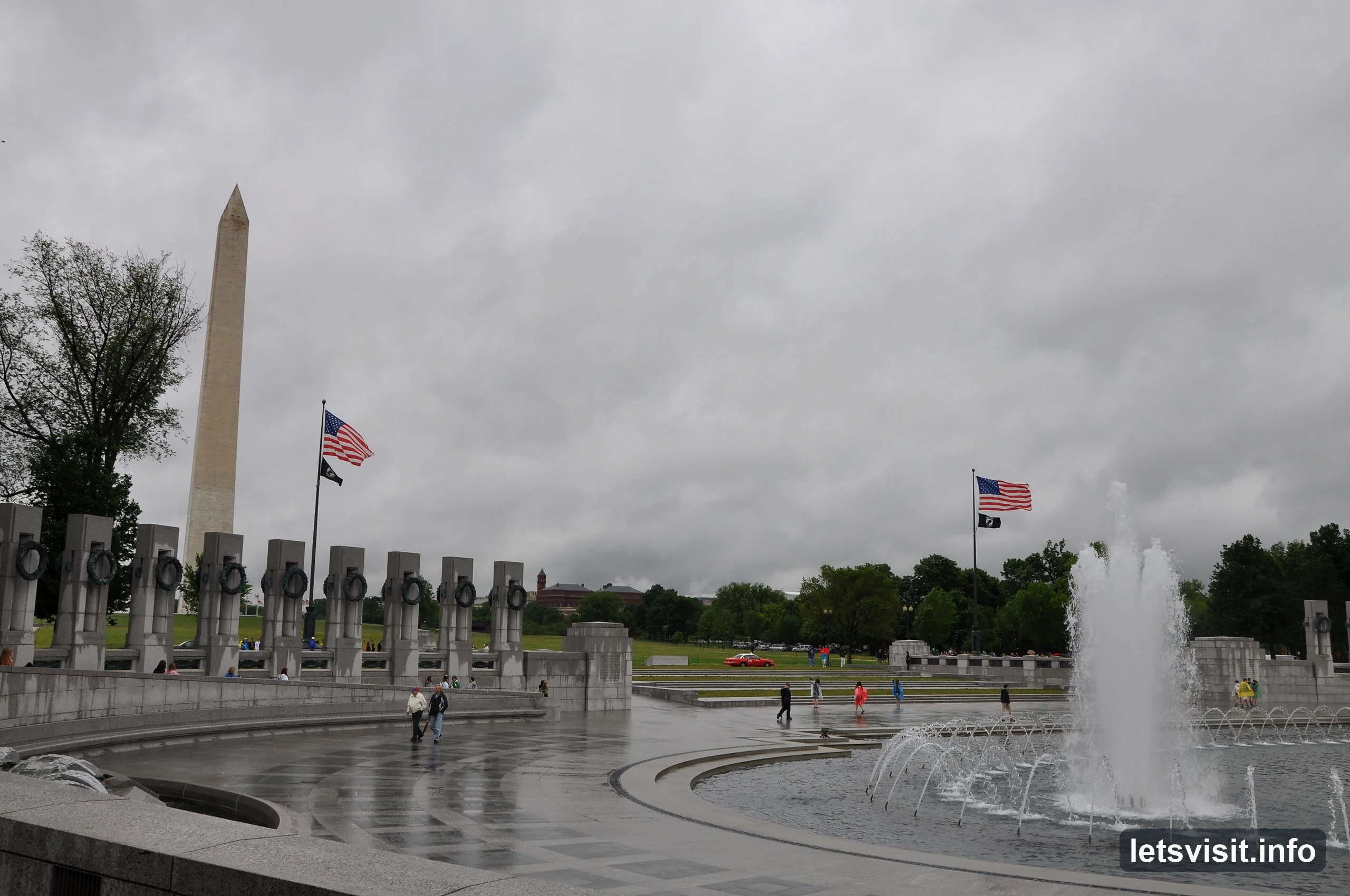
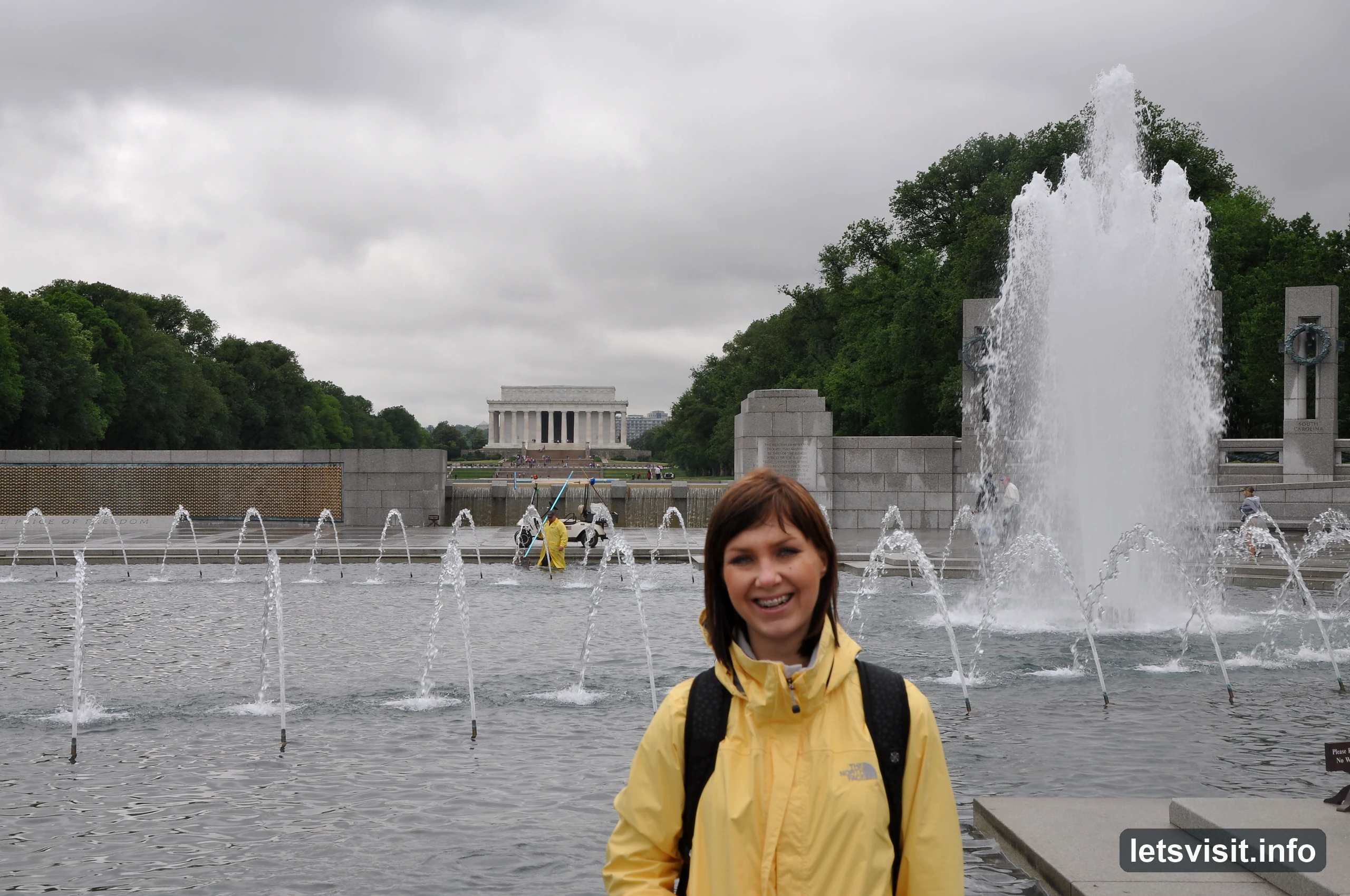
The World War II Memorial has a completely different character. Its stone pillars, wreaths, fountains and wide open space create an impressive setting. With the Washington Monument visible beyond the fountains, it is also one of the most recognizable views on the Mall.
We saw the World War II Memorial in the rain, and the dark stone around the fountains made the scene especially striking. Dedicated in 2004, the memorial honors Americans who served and those who contributed to the war effort at home.
Two styles of remembrance: individual soldiers at the Vietnam Veterans Memorial and an expansive ceremonial space at the World War II Memorial.
World War II Memorial history · National Park Service · Three Servicemen · Smithsonian
The White House and Lafayette Square
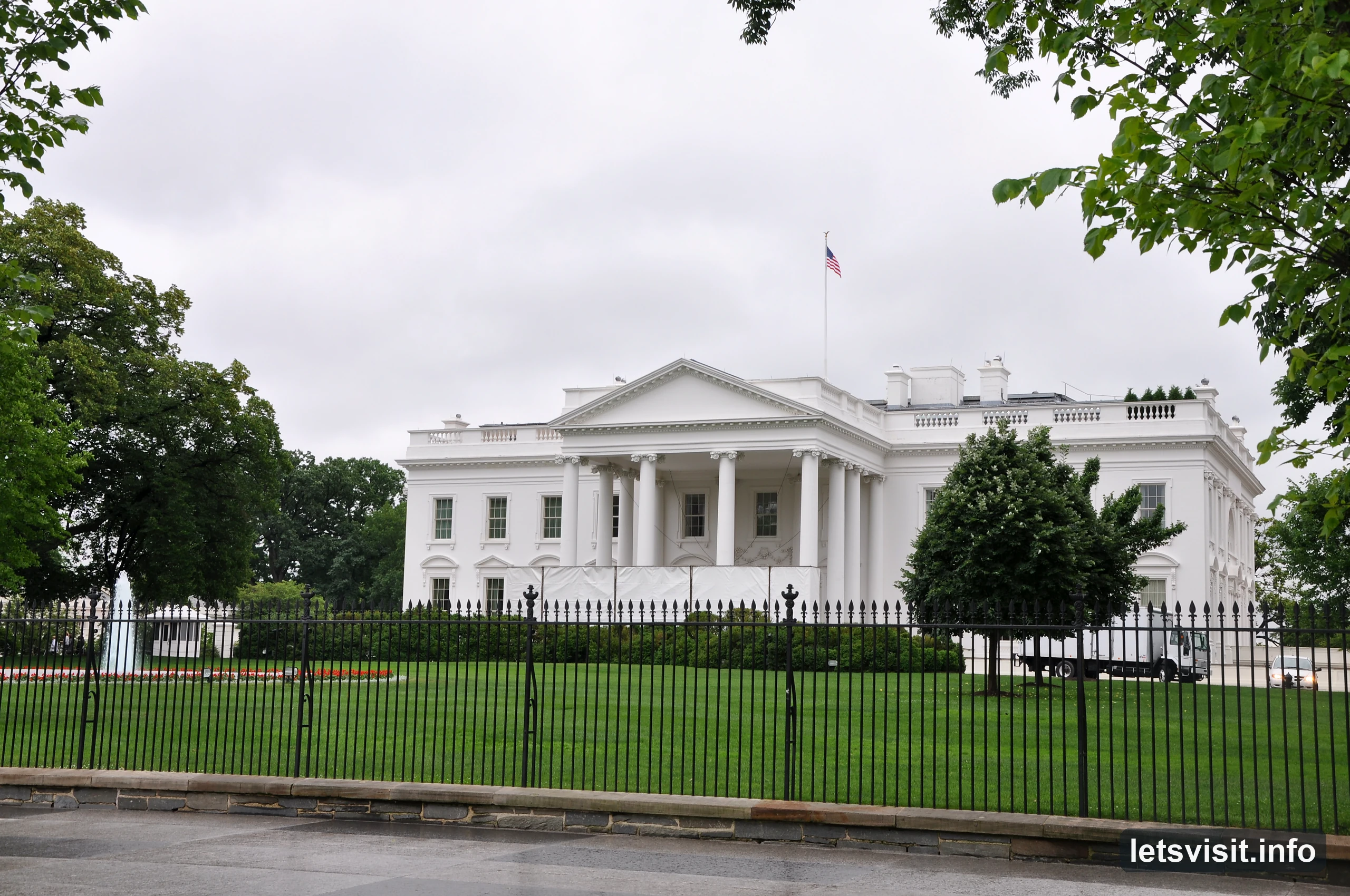
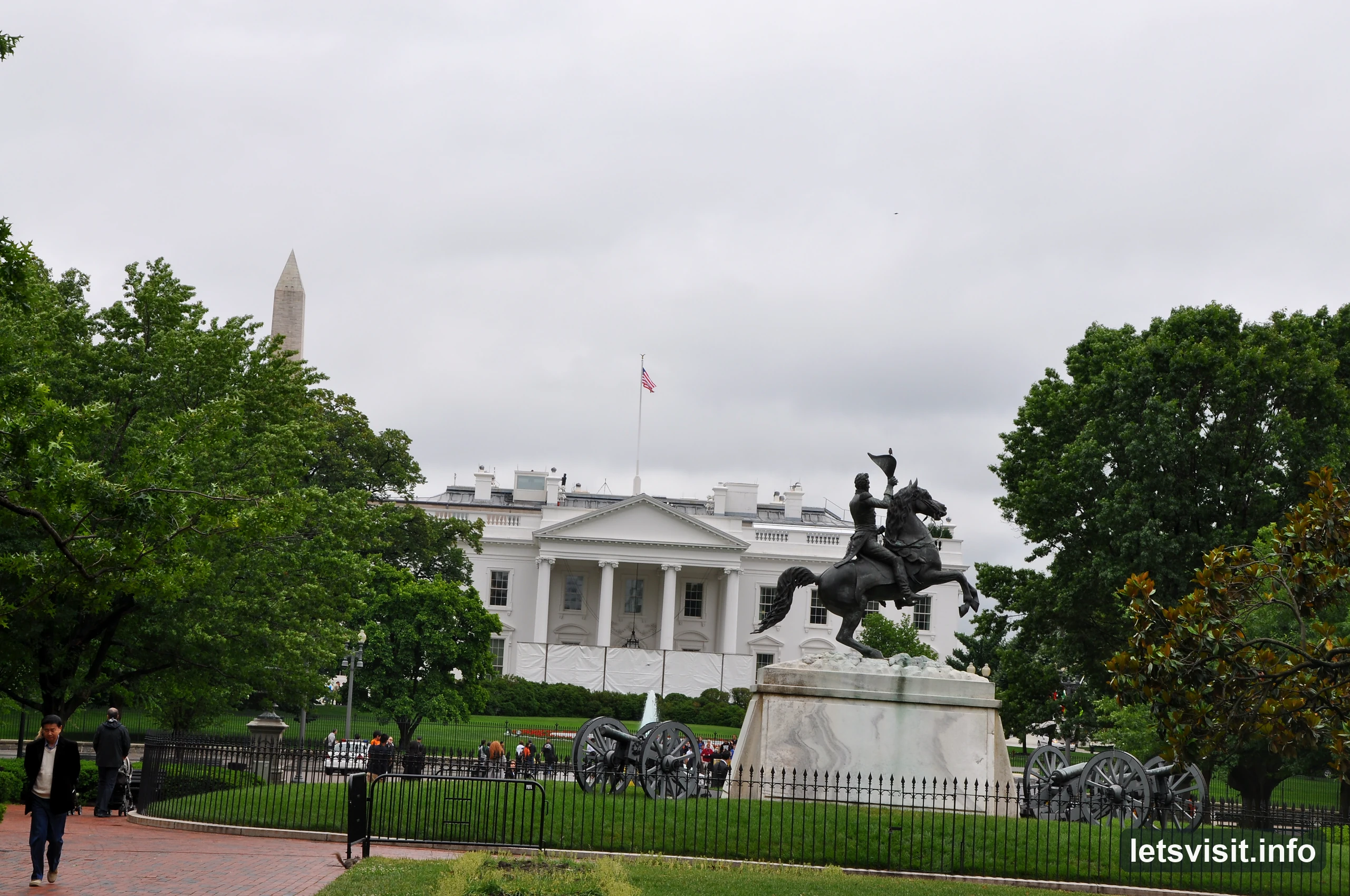
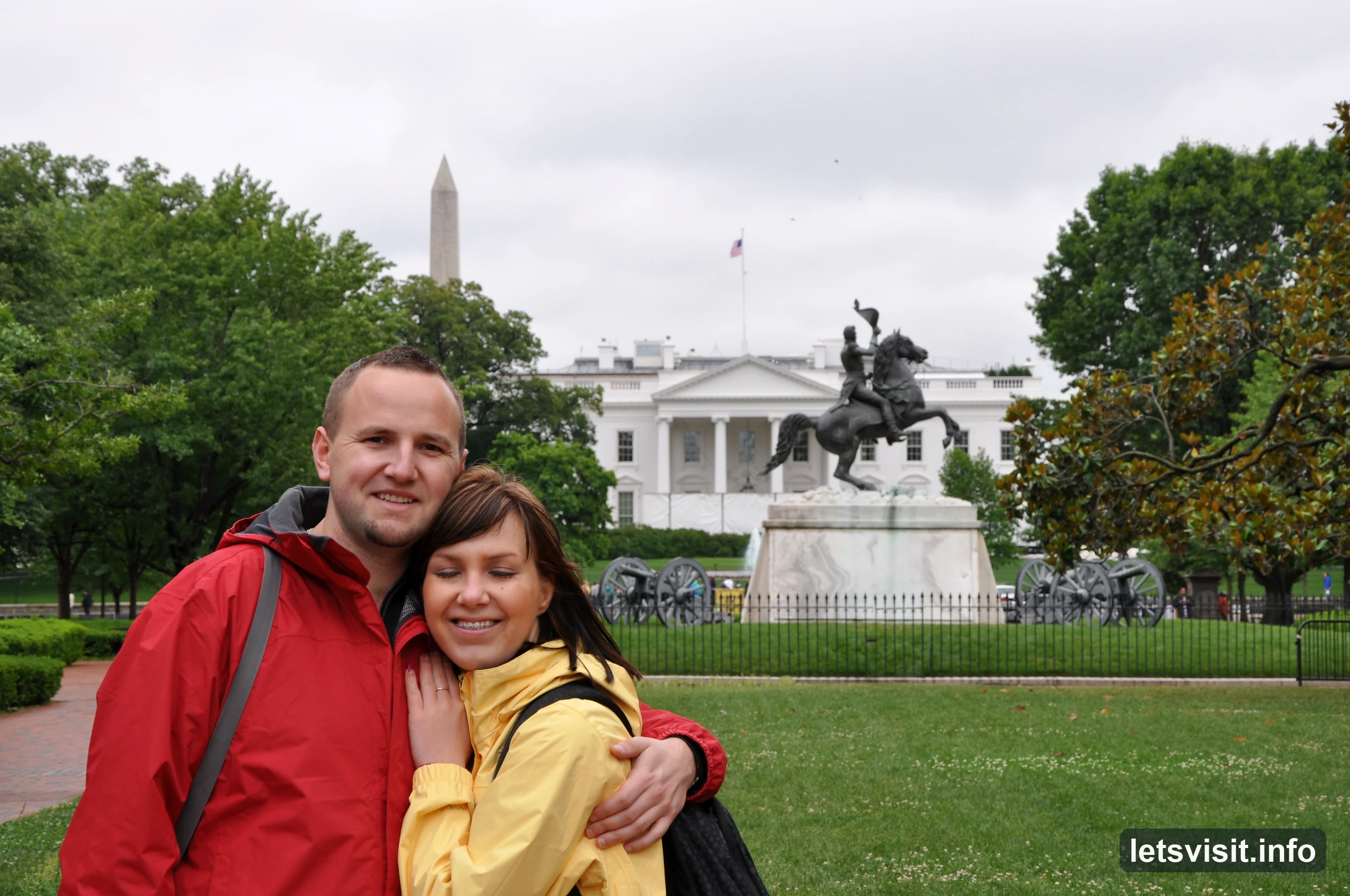
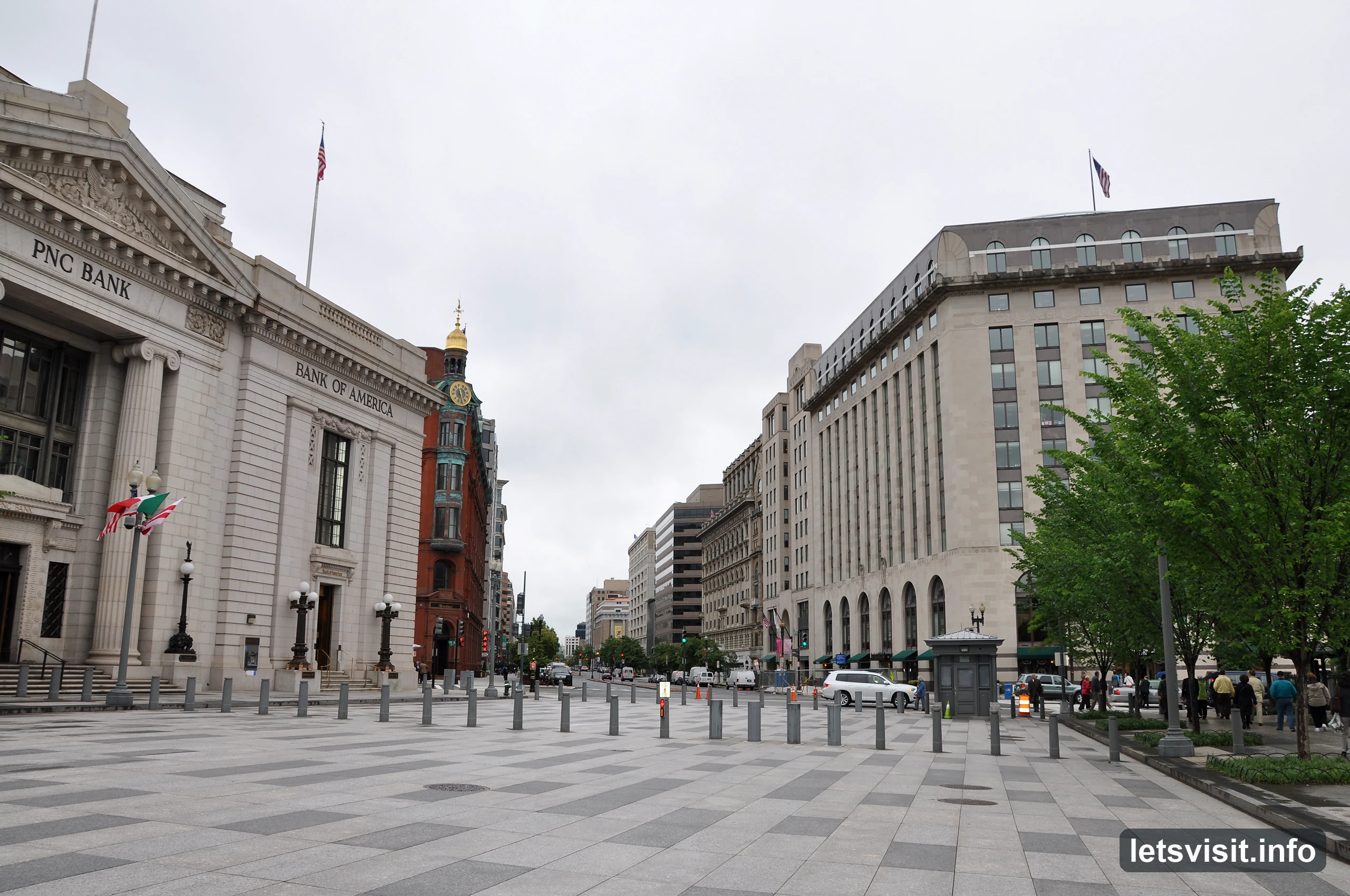
Seeing the White House in person was another highlight. From the northern side, the famous white façade rises behind the fence and trees. It is a view familiar from the news, but the surrounding streets and greenery make it feel much more like part of a real city.
Just north of the White House is Lafayette Square, with its statues and historic buildings. Nearby St. John’s Episcopal Church is often called the Church of the Presidents, a name connected to visits by U.S. presidents beginning with James Madison.
One monument here was particularly interesting to us: the statue of Tadeusz Kościuszko, the Polish military engineer who supported the American struggle for independence. His monument was dedicated in 1910. Finding this link between Polish and American history so close to the White House made the square an especially memorable stop.
Little moment from the trip
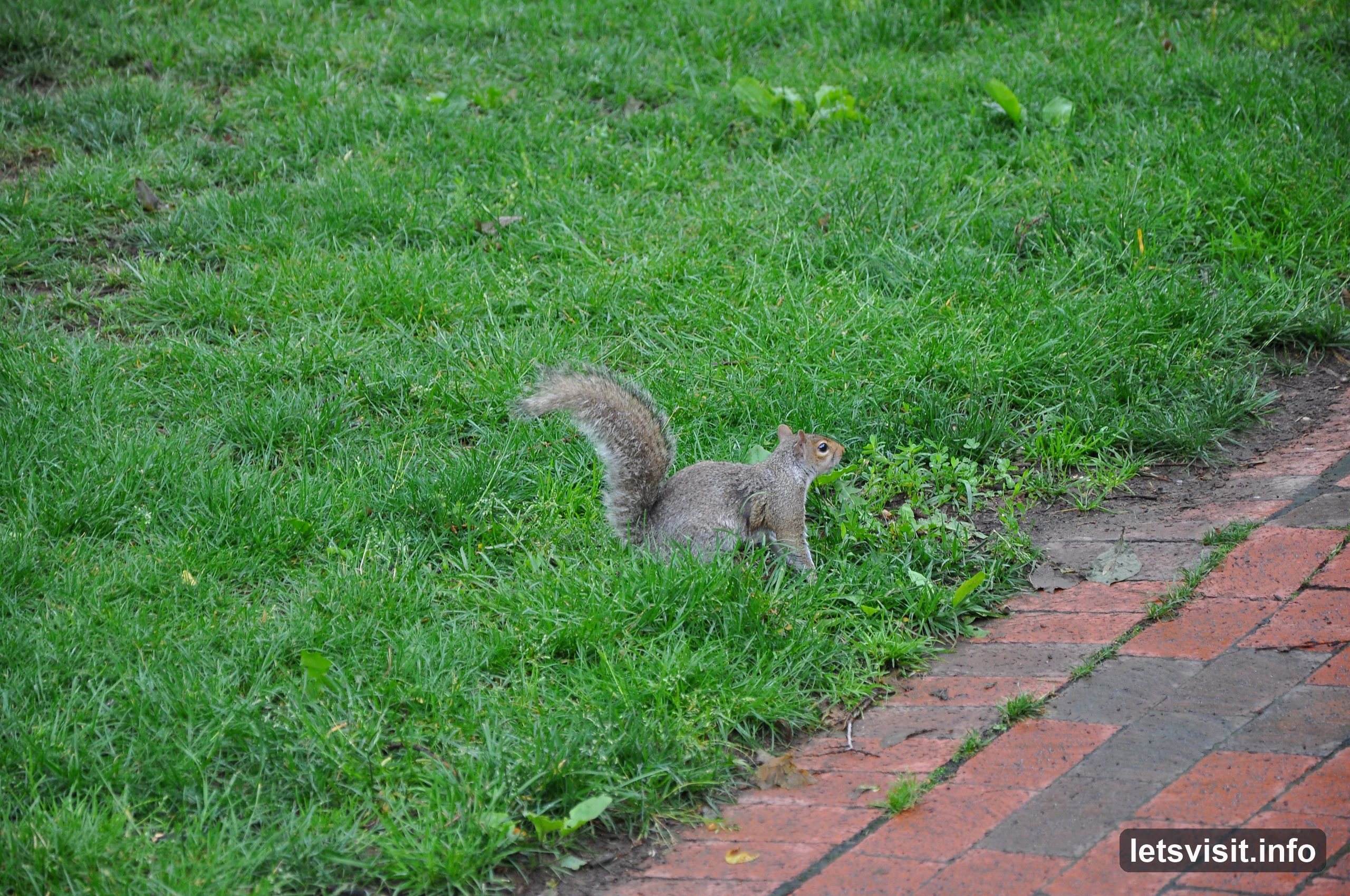
And then there were the smaller moments, too — like a squirrel beside a damp brick path. Sometimes those unexpected details are just as enjoyable to photograph as a famous building.
The Kościuszko monument · National Park Service · Presidential visits to St. John’s
The U.S. Capitol
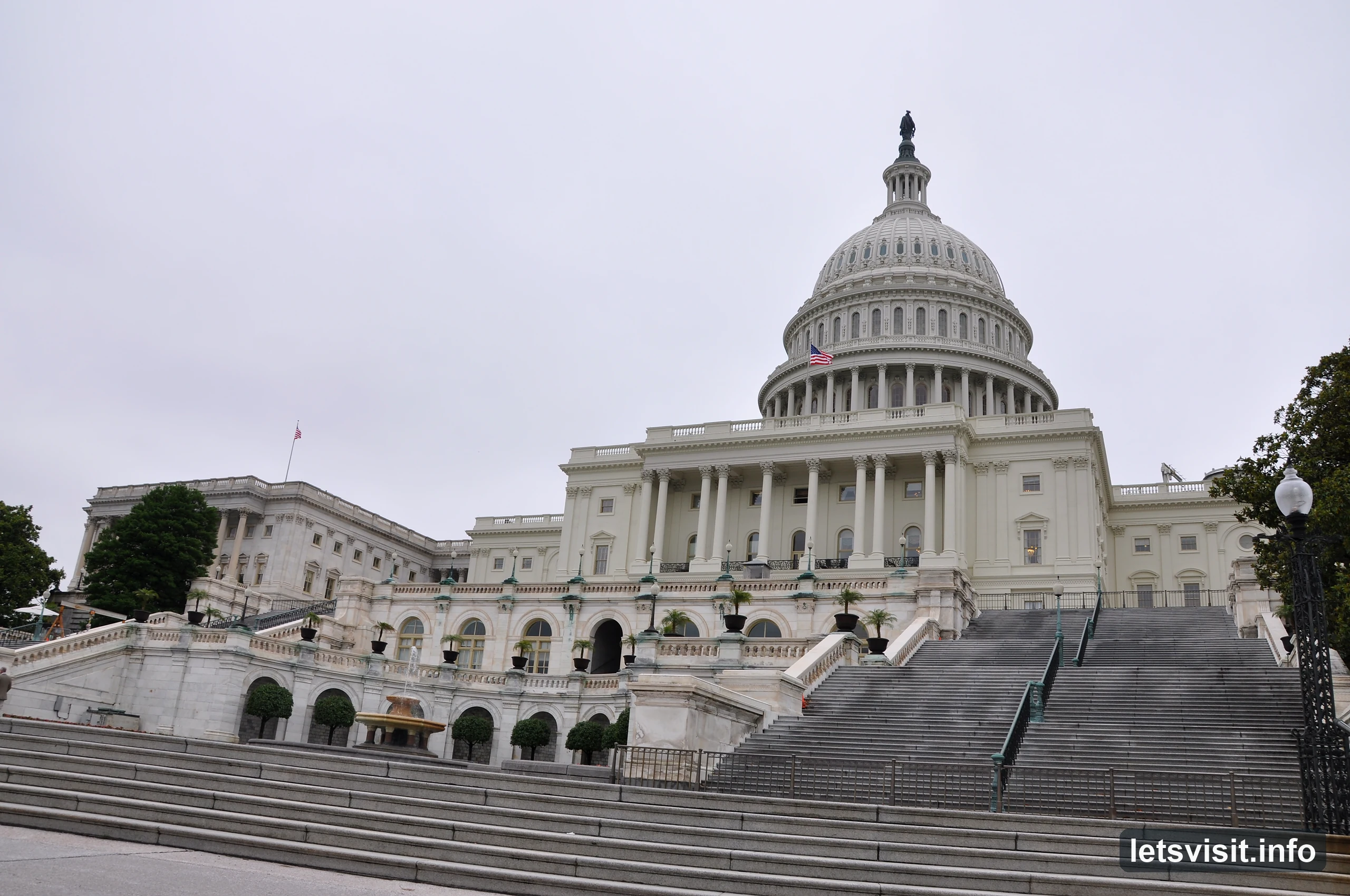
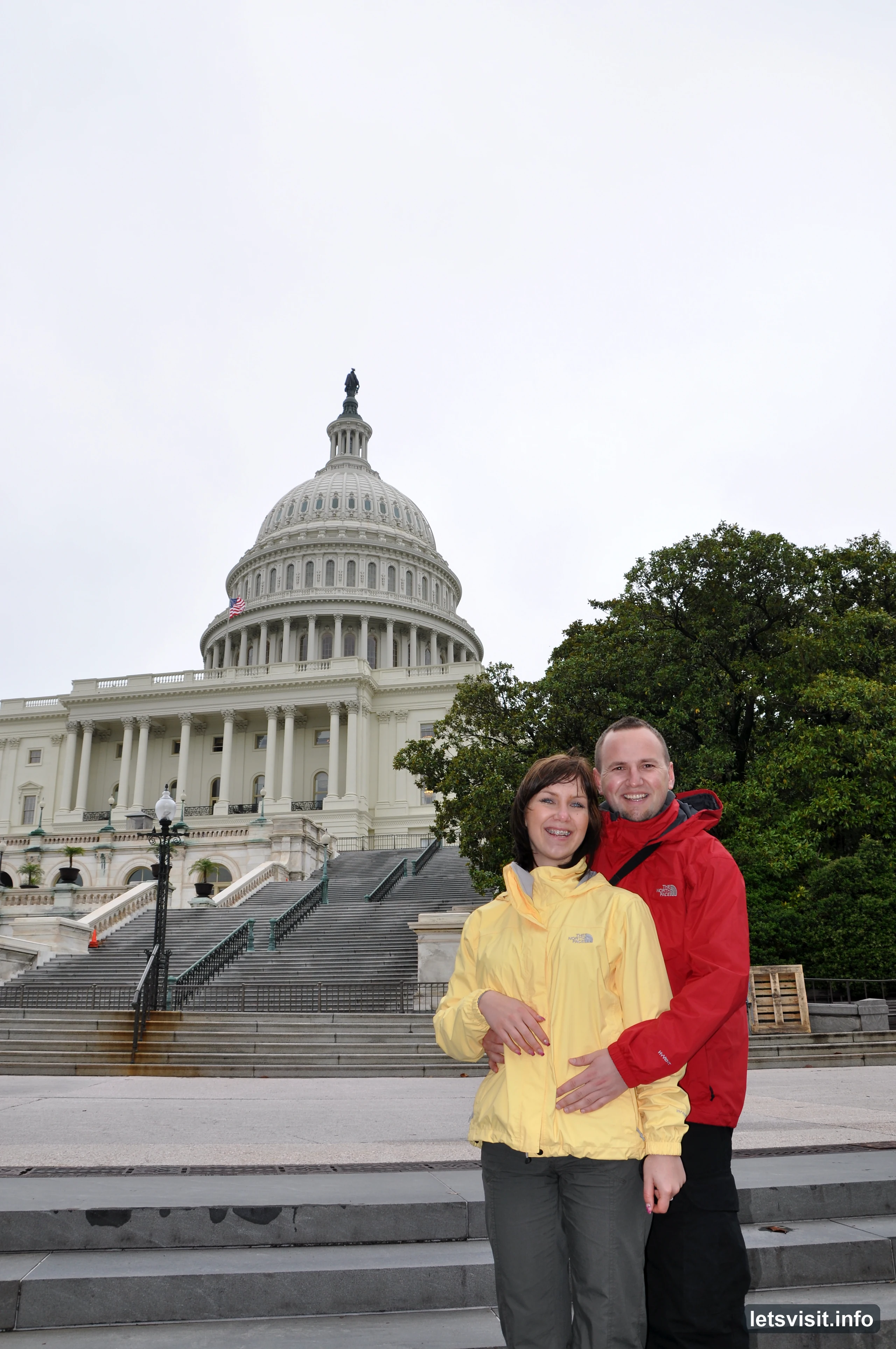
The U.S. Capitol is one of the grandest buildings we saw in Washington. From the west front, its broad stairways and terraces lead the eye up to the columns and the famous dome. It is hard not to stop and take a photograph here.
The dome looks like a massive stone structure from a distance, but it is actually made of cast iron — one of the building’s most interesting architectural details. That engineering story makes the Capitol even more fascinating once you start looking closely at its design.
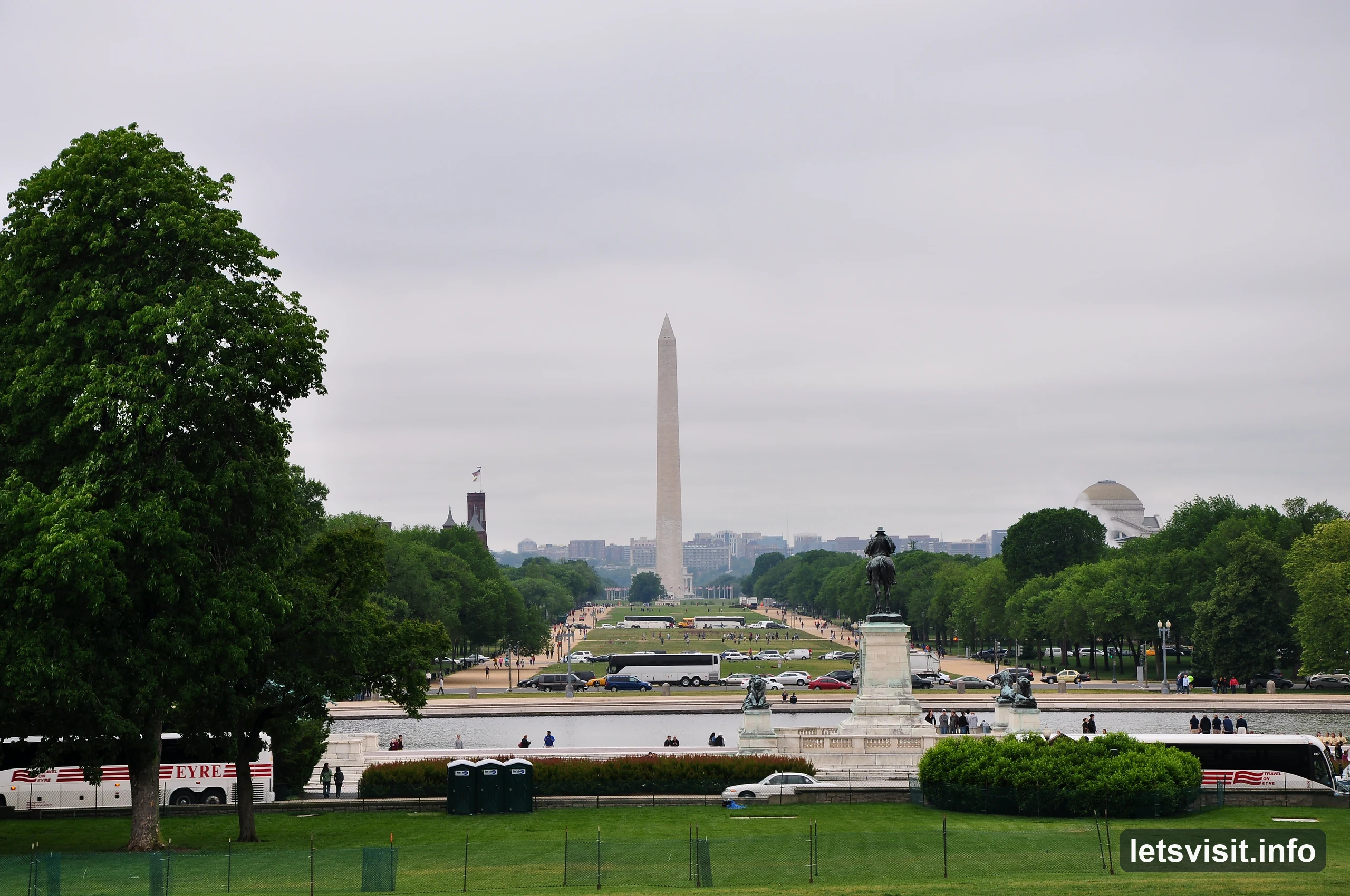
From the Capitol side, there is also a broad view back across the Mall toward the Washington Monument. The lawns, trees, visitors and passing vehicles make it clear that this is not only a collection of national landmarks, but also a part of the city people move through every day.
PHILADELPHIA · SEPARATE STOP
One more stop: Independence Hall in Philadelphia
At the end of our short film, we leave Washington behind for a quick look at Independence Hall in Philadelphia, Pennsylvania. It is a separate stop, but an appropriate way to end a journey through places closely connected to American history.
Independence Hall is associated with two founding documents of the United States: the Declaration of Independence, adopted in 1776, and the Constitution, drafted in 1787. Even a brief look at the building is a reminder of how much history is connected with this relatively modest structure.
Final thoughts from Washington
Washington gave us a memorable day of sightseeing despite the rain. Between the Lincoln Memorial, the fountains of the World War II Memorial, the White House and the Capitol, there was plenty to see — and every stop showed a different side of the city.
What we enjoyed most was the mix of famous landmarks and smaller details: the long views across the Mall, the quiet interior of the Lincoln Memorial, the Polish connection at Lafayette Square and even that squirrel by the path. Those are the moments we wanted to keep in our photographs and film.
We hope these pictures give you a taste of the city and a few ideas for places to explore on your own visit.
Photos & video
All photographs and the travel film are our original material from our May 2010 visit to Washington, D.C. The video includes a brief final scene in Philadelphia.