
Washington rewards a little planning. The Capitol dome, the Lincoln Memorial and the Washington Monument give the city its familiar outline, but the details make a visit worthwhile: a name on a memorial wall, a sculpted figure on a library staircase, or the original document behind a phrase learned at school.
This guide follows the 16-place countdown in the Let’s Visit film, from The Wharf to the Lincoln Memorial. It covers Washington, DC, plus Arlington National Cemetery across the Potomac in Virginia. Allow two or three days for a selective introduction; four days gives these 16 places more breathing room, especially if you want museum interiors. The order is an editorial selection, not a ranking by visitor numbers—and it is not a walking route.
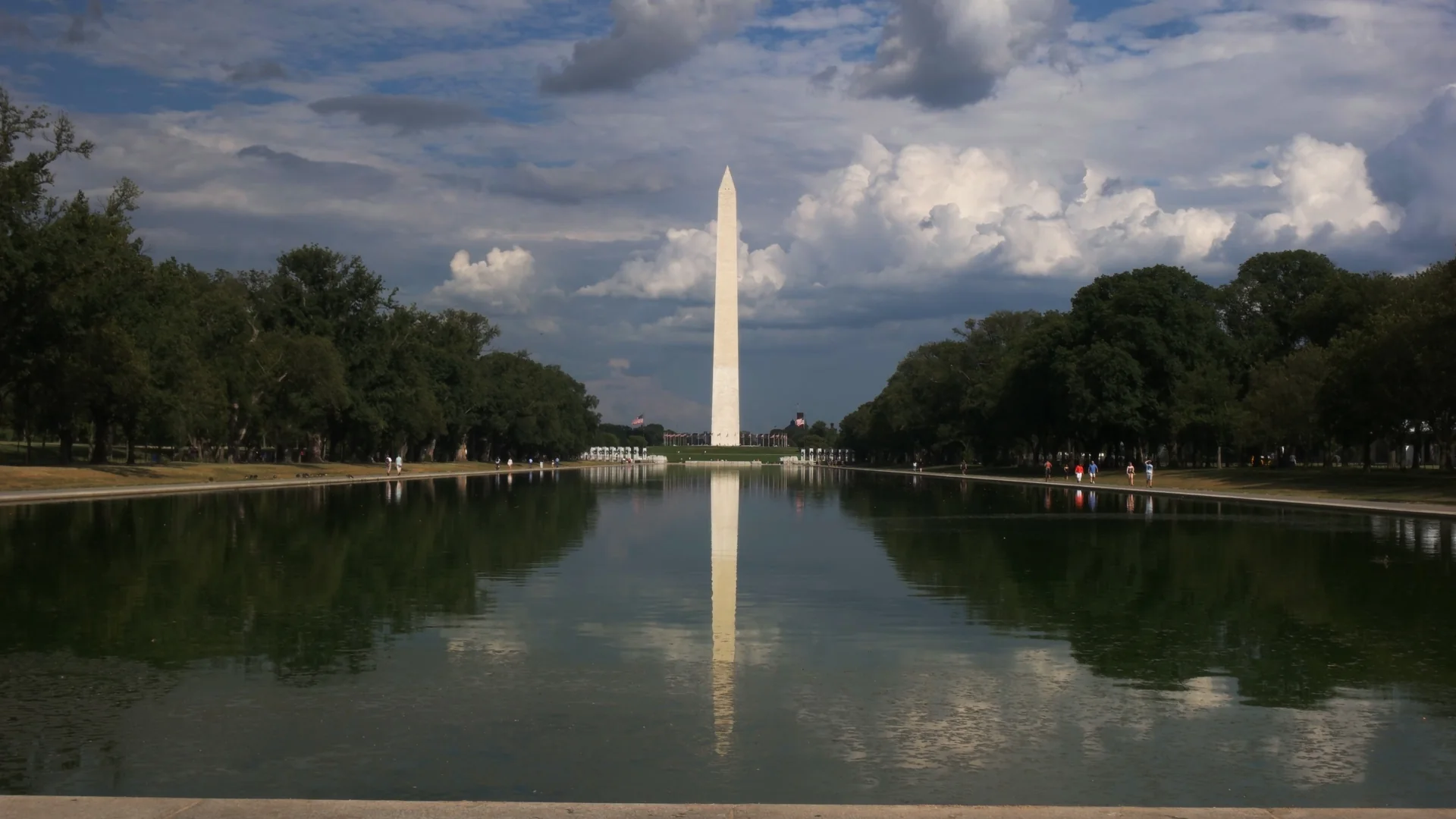
Plan your visit at a glance
- First visit: combine a walk among the western National Mall memorials with one substantial indoor visit. Save Georgetown and Arlington for separate blocks of time.
- Reserve first: the National Museum of African American History and Culture, the Library of Congress and an ascent of the Washington Monument. Reserve a Capitol tour if it matters to your trip.
- Transport: use Metro between districts and walk within each sightseeing cluster. A station near the Mall does not put you beside every memorial.
- Budget: many headline sights have free admission. Booking fees, transport, parking, food and optional tours still need a separate allowance.
- Timing: all visit durations below are editorial estimates for the stated experience, not official tour lengths. Add security queues, travel and breaks.
Visitor information was checked against official sources on 20 October 2026. Recheck the linked operator pages before booking; closures, security arrangements and ticket availability can change.
Watch the Washington film
Use the film to choose the places that interest you, then use the neighborhood plans below to put them in a workable order. Each attraction has a link to its published YouTube chapter.
Watch the 16-attraction Washington film on YouTube.
Find your way around this guide
- #16. The Wharf: a different side of the capital
- #15. Union Station: look up before heading out
- #14. National Archives Museum: the originals behind the ideals
- #13. National Museum of African American History and Culture
- #12. Korean War Veterans Memorial: a patrol in steel
- #11. Vietnam Veterans Memorial: names before monuments
- #10. World War II Memorial: read beyond the fountain
- #9. Arlington National Cemetery: across the river in Virginia
- #8. Library of Congress: the building is part of the collection
- #7. Martin Luther King Jr. Memorial: walk through the design
- #6. Georgetown: make room for a neighborhood
- #5. Jefferson Memorial, Tidal Basin and cherry blossoms
- #4. White House: distinguish a view from a tour
- #3. Washington Monument: a skyline marker with a visible history
- #2. United States Capitol: the dome is only the beginning
- #1. Lincoln Memorial: finish with the words as well as the view
- Where the sights are: plan by area
- Washington itineraries for one to four days
- Arriving and getting around
- Where to stay
- Seasons, costs and comfortable sightseeing
- Questions worth settling before you go
#16. The Wharf: a different side of the capital
The Wharf turns attention away from ceremonial Washington and toward the Washington Channel. Restaurants, public waterfront spaces and piers make it a useful place to pause after a day of museums. Come with enough time to walk along the water before deciding where to eat; treating it as a single restaurant stop misses the setting.
The Municipal Fish Market connects this redeveloped neighborhood with its working waterfront past. Its history dates to 1805, and seafood remains its defining trade. The market and the broader Wharf are related but not interchangeable: head to 1100 Maine Avenue SW for the market itself. The operator’s waterfront overview and fish-market guide explain the layout and current offerings.
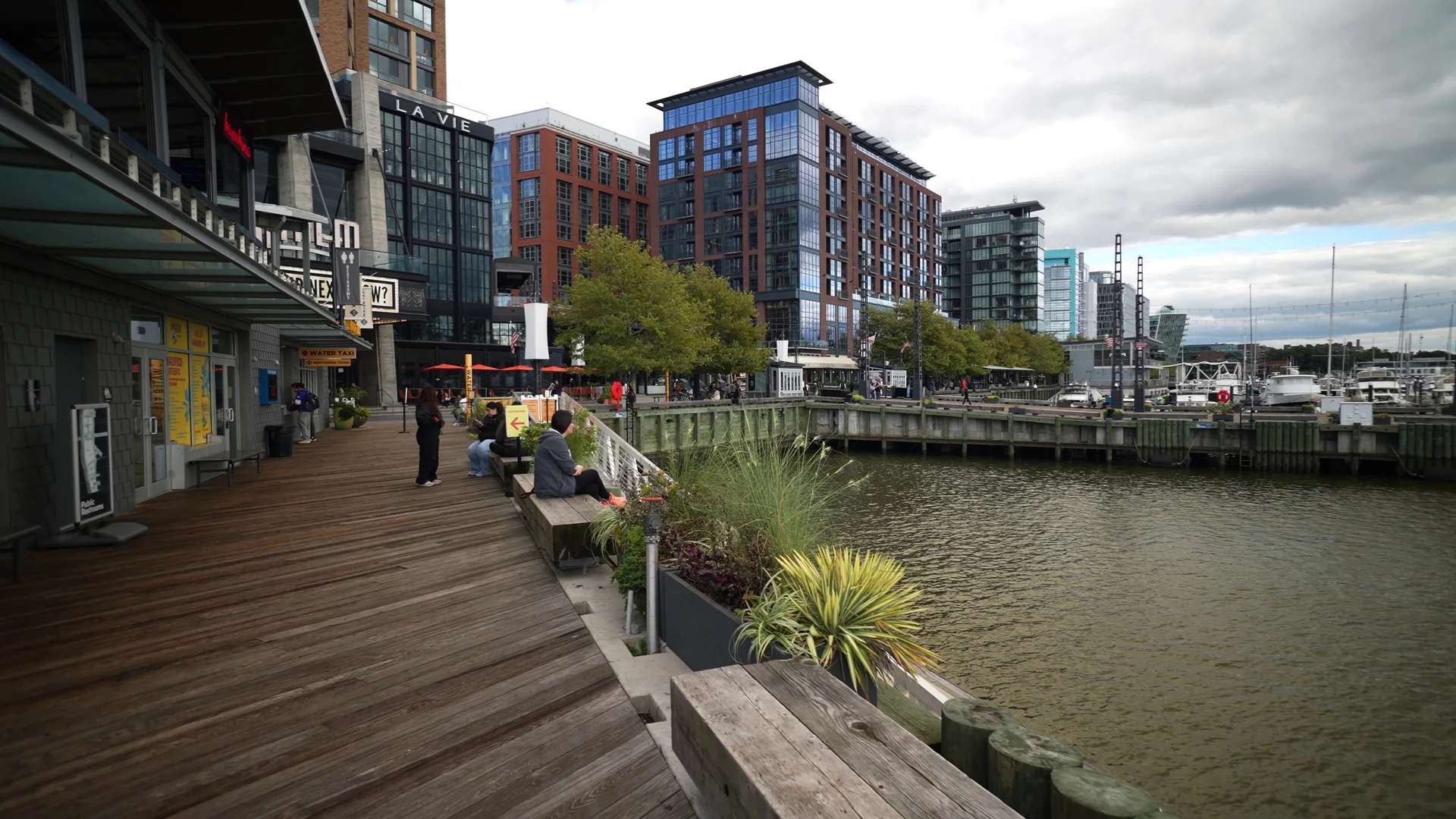
Practical visit: allow 60–90 minutes for a waterfront walk, longer for a meal. Budget separately for food, performances or boat services. This is an easy evening choice after a southwest sightseeing day, provided you leave enough energy for the walk.
Watch The Wharf chapter — 0:30.
#15. Union Station: look up before heading out
Union Station is an attraction that can fit naturally into an arrival or departure day. Daniel Burnham designed the terminal, which opened in October 1907. Its monumental entrance and large interior spaces give an ordinary rail journey an architectural setting worth noticing. The station’s history is also a story of decline and restoration, rather than uninterrupted grandeur.
Visit the public halls, look at the ceiling and exterior, and then continue toward Capitol Hill. Remember that this is a working transport hub: passenger circulation takes priority, and a sightseeing stop should not depend on access to platforms.
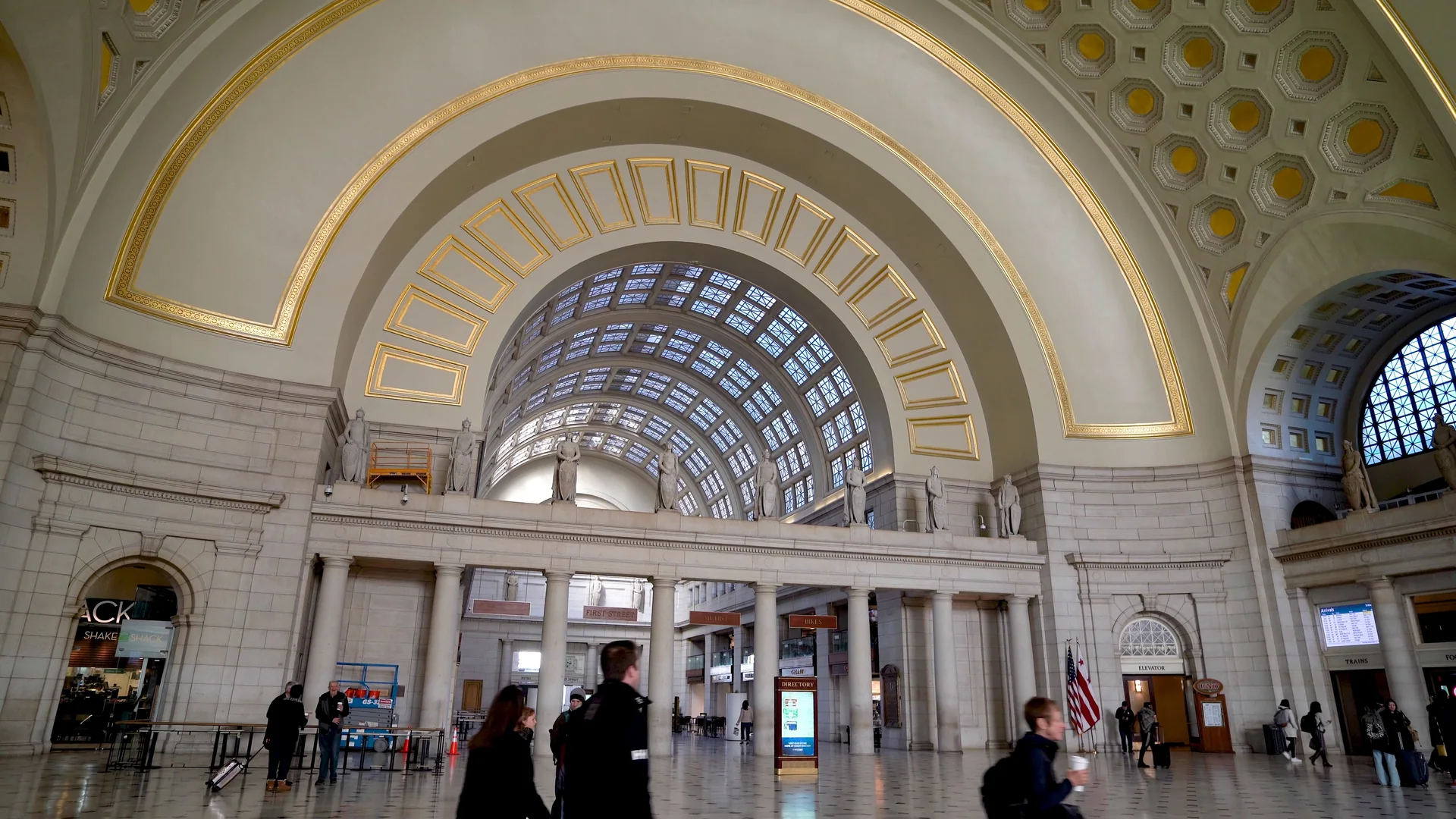
Practical visit: allow 30–45 minutes for the architecture, excluding a meal or train check-in. The address is 50 Massachusetts Avenue NE. Union Station has its own Metro station; consult the visitor information for services. Shops and restaurants have their own hours, so overnight passenger access is not a promise of an all-night sightseeing experience.
#14. National Archives Museum: the originals behind the ideals
The National Archives brings three documents together in the Rotunda: the Declaration of Independence, the Constitution and the Bill of Rights. Seeing them in one visit helps separate their roles. The Declaration explains independence; the Constitution establishes the federal framework; the Bill of Rights contains the first ten constitutional amendments. The museum’s founding-documents guide is useful preparation.
Read a little beforehand rather than expecting to absorb the full texts at the display cases. A visit becomes more rewarding when you arrive with a question: how was government organized, which rights were protected, and how did those principles shape later struggles?
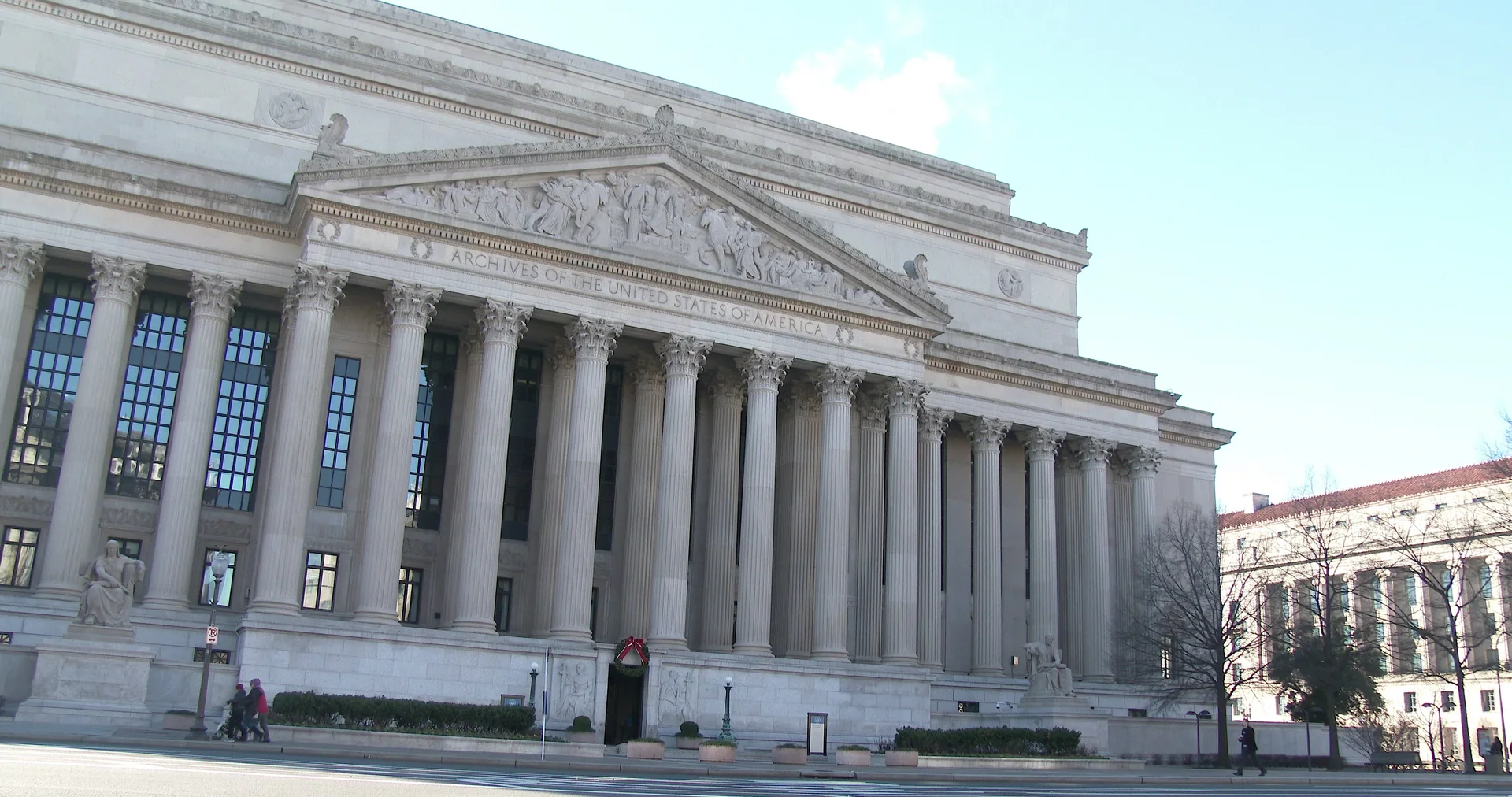
Practical visit: allow 60–90 minutes, plus any entrance queue, at 701 Constitution Avenue NW. Admission is free. The current system offers a free general-admission ticket or an optional $1 timed-entry ticket; reservations are encouraged, not compulsory. These are different ticket types, so check the official booking page before choosing.
Watch the National Archives — 2:39.
#13. National Museum of African American History and Culture
Give this museum a substantial part of the day. It opened in September 2016 and examines African American life, history and culture as central to the American story. Beside the pale stone of nearby monuments, its bronze-colored exterior also makes the building itself an unmistakable landmark. The Smithsonian’s institutional history explains its origins.
A useful first visit has a focus. Decide how much time to give historical material and how much to cultural subjects, rather than trying to cover everything before another reservation. Leave room afterward for a break and conversation; an ambitious sequence of several museums can turn careful looking into clock-watching.
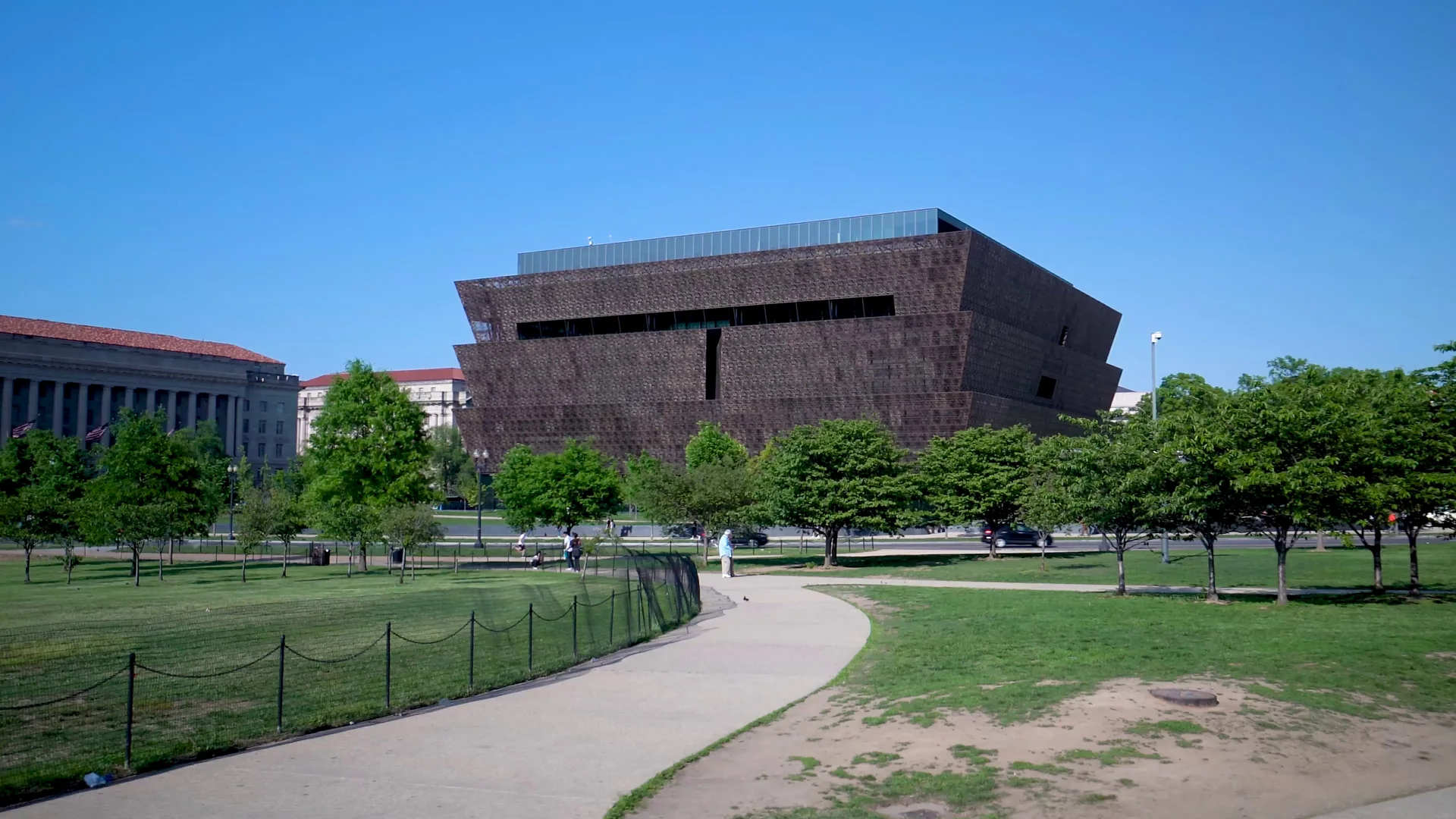
Practical visit: allow 3–4 hours for a selective visit, longer for detailed exploration. General visitors need free timed-entry passes; obtain them through the museum’s planning page. Advance passes are released on a rolling 30-day basis. This is a good anchor for a day around the central Mall, with outdoor stops kept flexible around the reservation.
Watch the museum chapter — 3:40.
#12. Korean War Veterans Memorial: a patrol in steel
The Korean War Veterans Memorial asks visitors to look at people rather than a single towering monument. Frank Gaylord’s 19 stainless-steel figures form a patrol, wearing ponchos and carrying equipment. Their different poses and directions of attention make the group worth studying from several positions along the path.
The polished mural wall reflects the figures while also carrying images of those who supported the war effort. Do not confuse this image-bearing wall with the separate Wall of Remembrance. The National Park Service’s guide to the memorial’s features explains these elements, and its On Patrol account describes the sculptures.
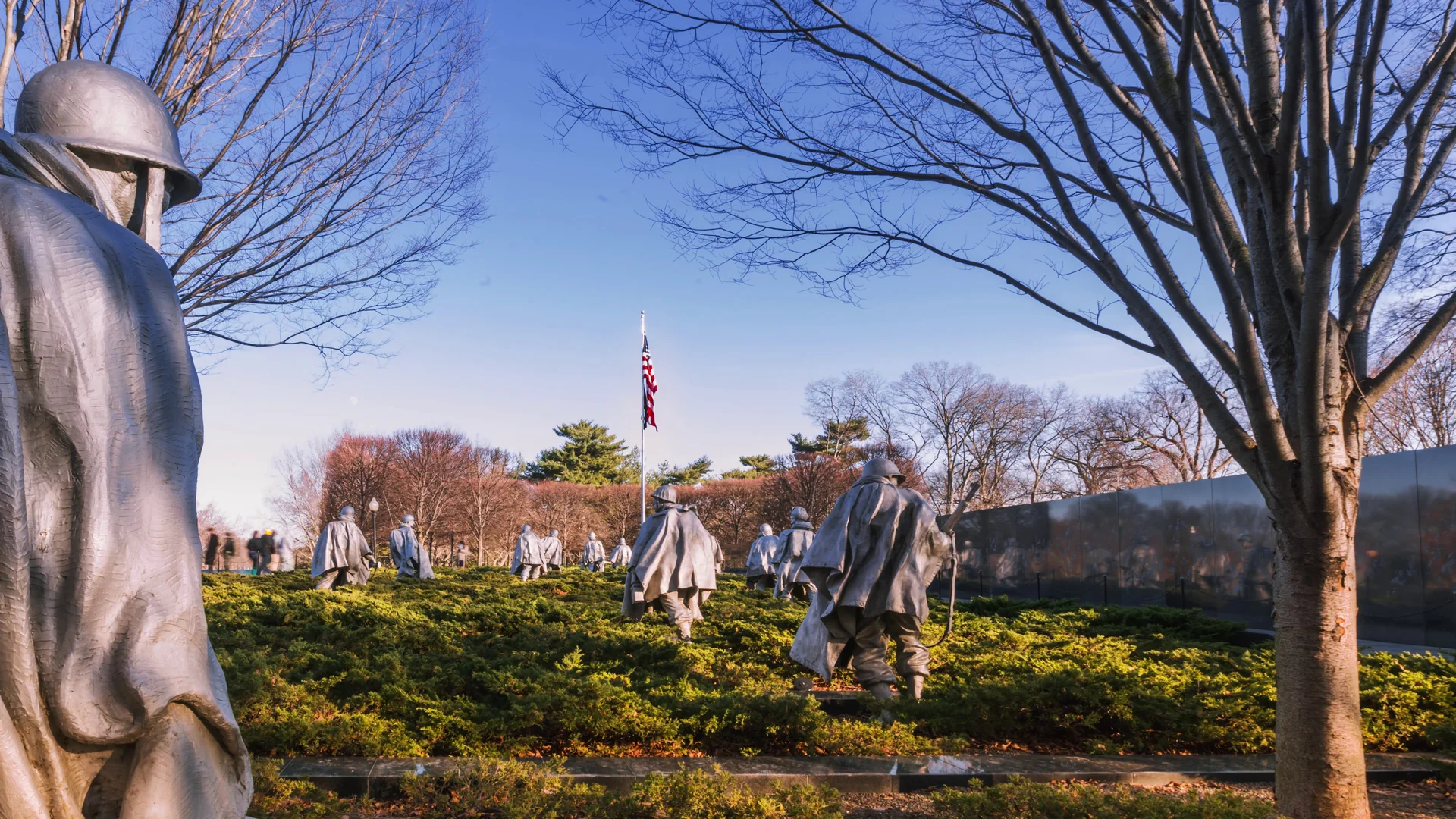
Practical visit: allow 20–30 minutes. The memorial is southeast of the Lincoln Memorial, so the two belong in the same walking cluster. It is an outdoor memorial with free admission; keep pathways clear and give other visitors space to reflect.
Watch the Korean War memorial — 4:49.
#11. Vietnam Veterans Memorial: names before monuments
Maya Lin’s design takes a different approach to remembrance: two polished black-granite walls meet in a V and descend into the landscape. The visitor’s reflection shares the surface with the names, bringing the present-day viewer into the act of remembrance. The National Park Service’s overview explains the design.
The names are arranged by chronology of loss, not alphabetically. If you are looking for someone, use the directory or ask for assistance before searching the panels. That small piece of preparation matters more here than rushing to complete another stop. The official FAQ describes the sequence and name-finding resources.
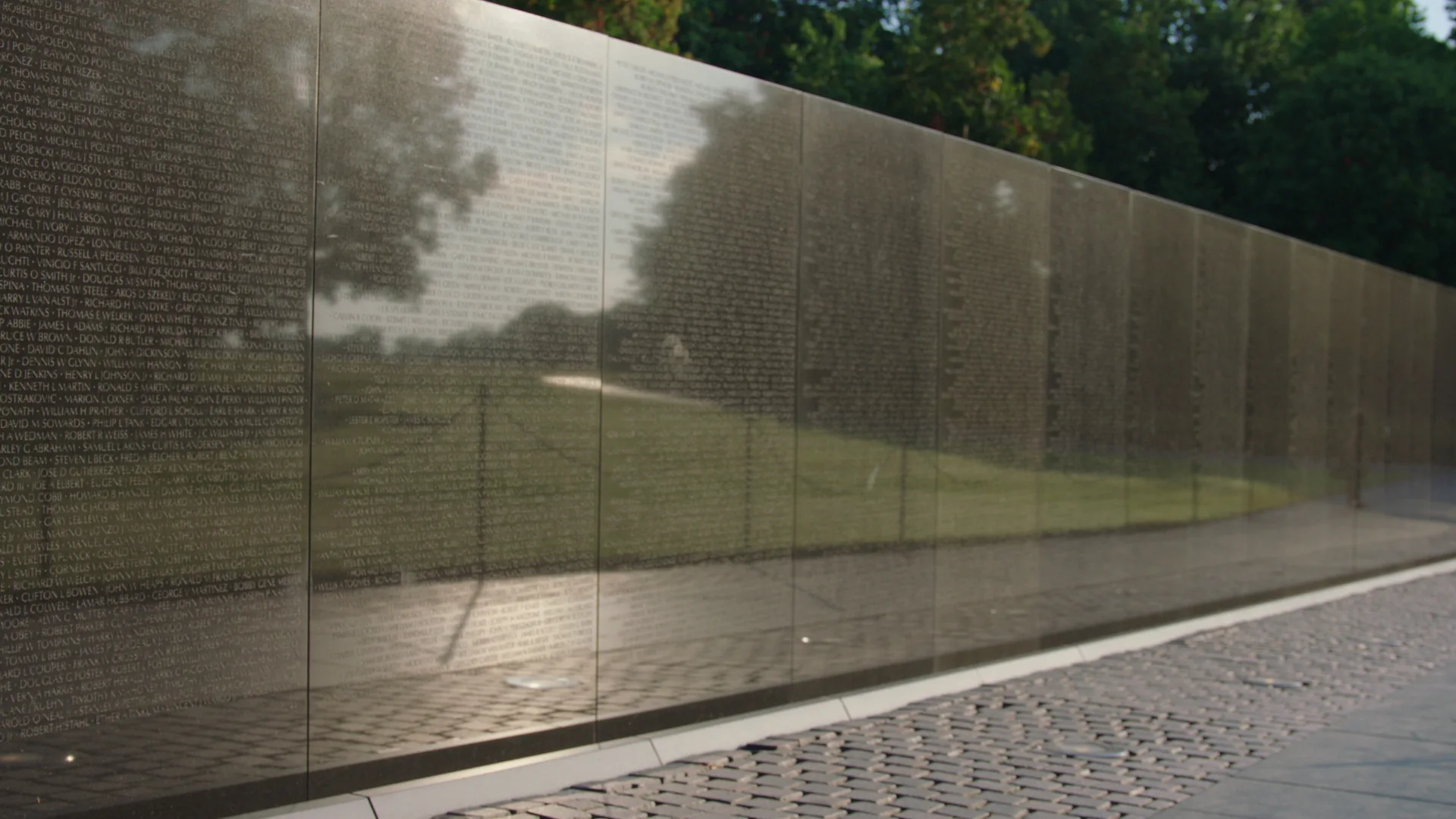
Practical visit: allow 20–40 minutes; longer if you have a personal connection or want to locate particular names. The memorial lies northeast of Lincoln and is free to visit. Combine it with Lincoln and the Korean War memorial, while allowing each site its own quiet pause.
Watch the Vietnam Veterans Memorial — 5:50.
#10. World War II Memorial: read beyond the fountain
The World War II Memorial occupies the eastern end of the Lincoln Memorial Reflecting Pool. Its 56 pillars and Atlantic and Pacific pavilions make the scale of the conflict visible in the architecture. Dedicated in 2004, the memorial also tells smaller stories through bronze reliefs depicting wartime experience. See the NPS historical overview.
Make time for the Freedom Wall. Its 4,048 gold stars, each representing 100 American military deaths, shift attention from the broad ceremonial setting to the cost of war. The memorial’s FAQ explains the symbolism.
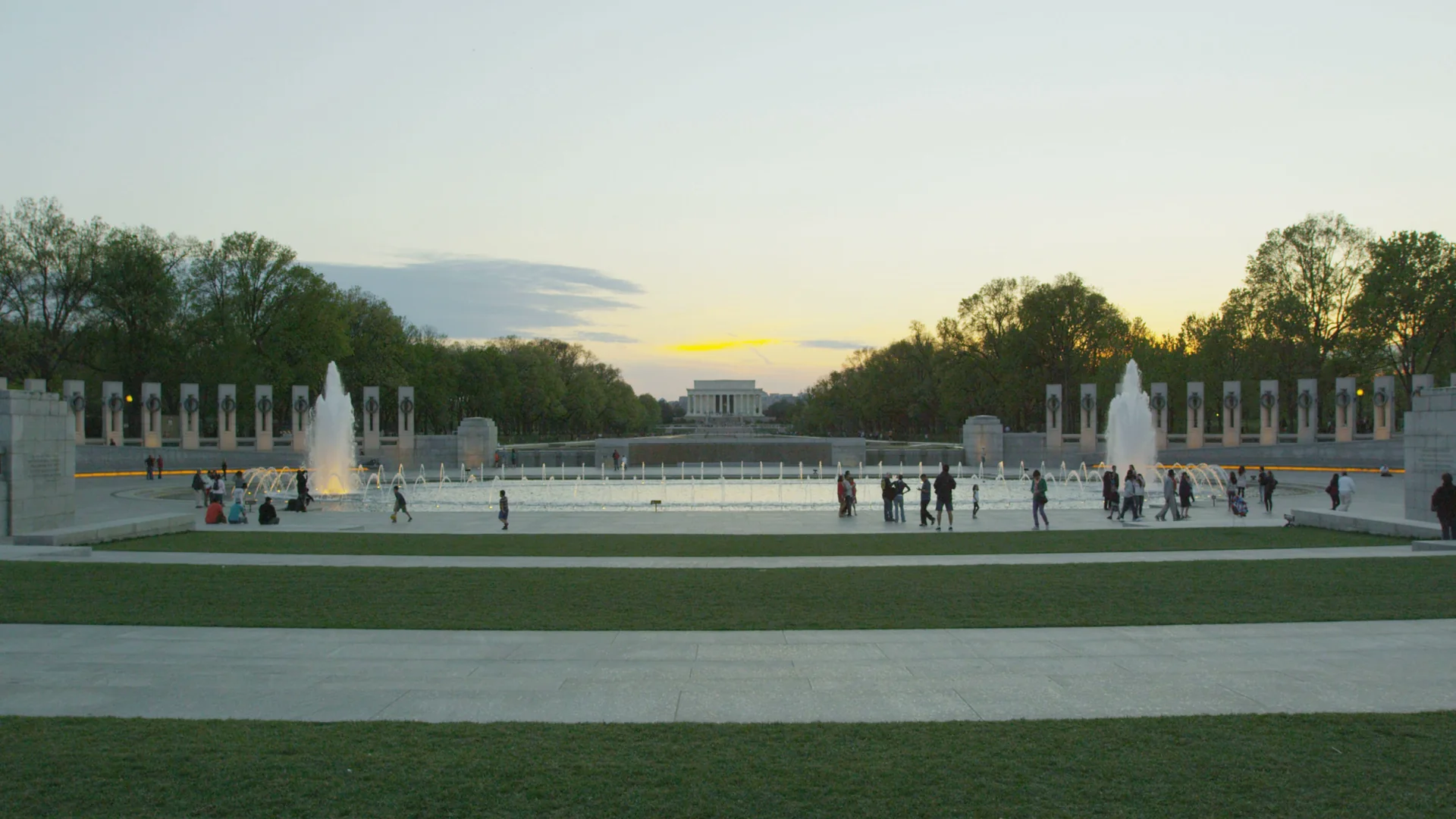
Practical visit: allow 25–40 minutes. This free outdoor stop fits between the Washington Monument and the Reflecting Pool walk toward Lincoln. Look at the reliefs and inscriptions as well as the central water features; a photograph across the fountain captures only part of the memorial.
Watch the World War II Memorial — 6:50.
#9. Arlington National Cemetery: across the river in Virginia
Arlington belongs in a Washington itinerary, but it is not in the District of Columbia. It is across the Potomac in Arlington, Virginia, and deserves a separate block of time. This is an active cemetery, so ceremonies, funerals and family visits take precedence over sightseeing.
Two places many visitors plan around are John F. Kennedy’s gravesite and the Tomb of the Unknown Soldier. The grounds are extensive and hilly; the distance between stops matters. The cemetery’s visitor guide describes the interpretive tram and accessibility arrangements, making it a better starting point than assuming everything is a short walk from the entrance.
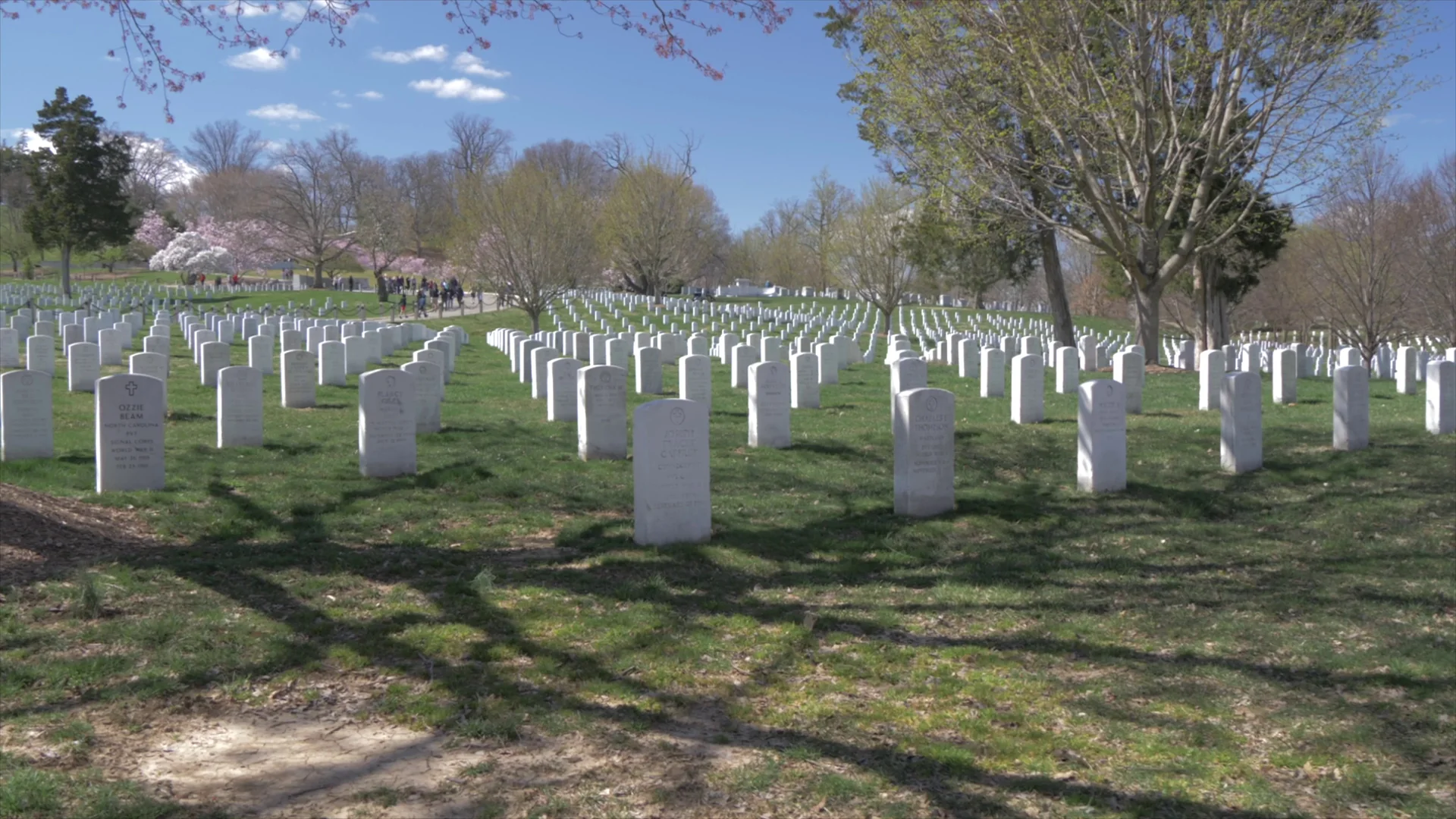
Practical visit: allow 2–3 hours for selected sites, with additional travel and screening time. Use 1 Memorial Avenue for the main entrance; Arlington Cemetery Metro is nearby. The official page currently lists daily opening from 8 a.m. to 5 p.m. Check its security guidance: requirements for authorized vehicle entry differ from screening for visitors arriving through the Welcome Center.
#8. Library of Congress: the building is part of the collection
For a first sightseeing visit, focus on the Thomas Jefferson Building, completed in 1897. The Great Hall rewards close looking: along the staircases, small sculpted figures represent occupations and pursuits, including a gardener and printer. They are a reminder that the decoration celebrates work and knowledge, not simply architectural grandeur. The Library’s Great Hall guide helps decode these details.
Visitor access and research access are different. A sightseeing ticket does not provide unrestricted use of reading rooms. If the Main Reading Room is a priority, check the specific visitor program rather than assuming it is included whenever the building is open.
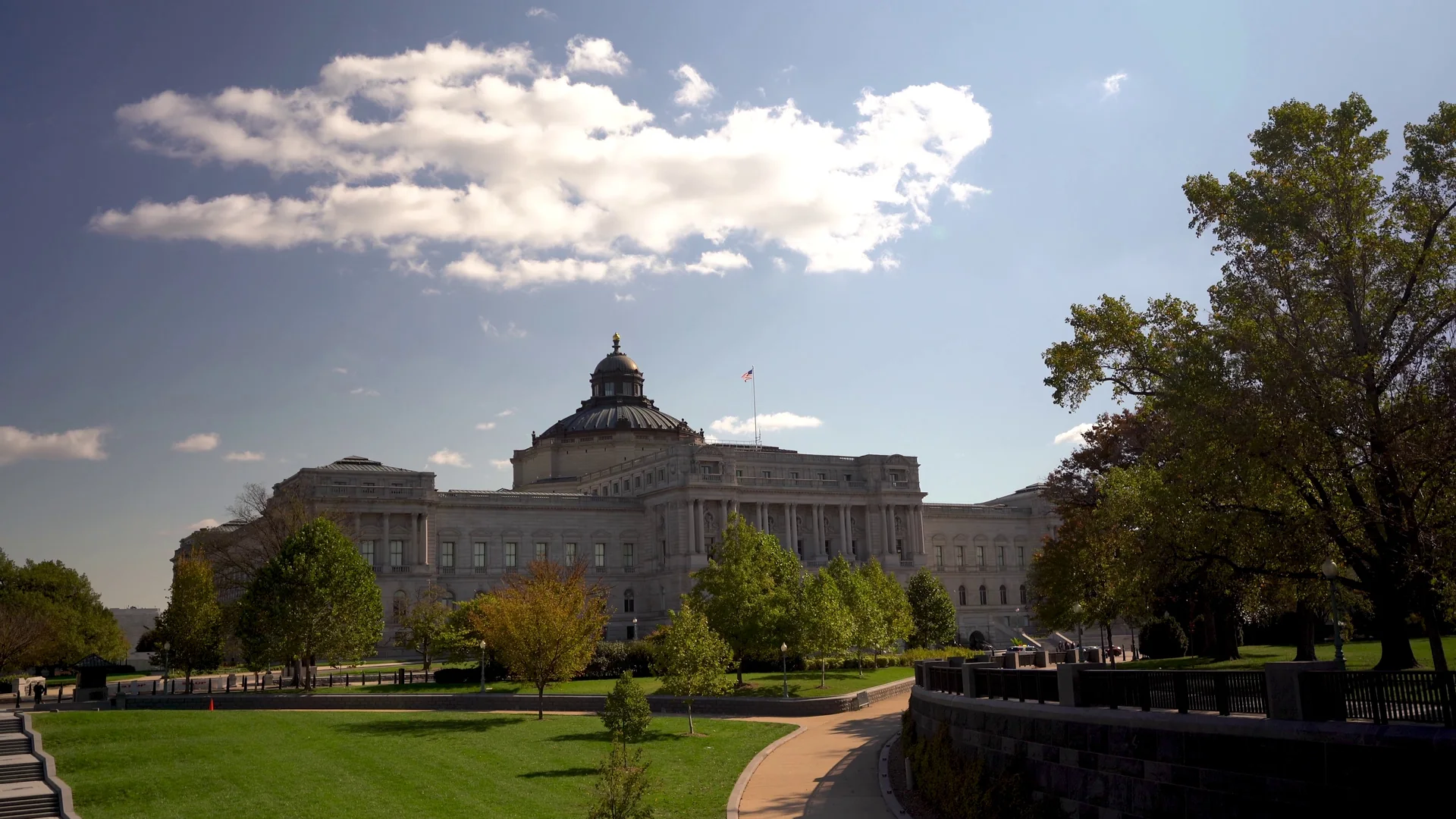
Practical visit: allow 60–90 minutes at 10 First Street SE. A free timed-entry ticket is required. The visitor schedule is normally Tuesday–Saturday, with Sunday and Monday closures and holiday exceptions. Pair it with the Capitol only after checking both reservations on the Library’s official visit page.
Watch the Library of Congress — 8:56.
#7. Martin Luther King Jr. Memorial: walk through the design
Approach through the divided Mountain of Despair and continue toward the Stone of Hope. The design translates an image from King’s 1963 speech into a route through stone, with his likeness emerging from the forward section. Sculptor Lei Yixin created the figure; the overall concept came from ROMA Design Group.
The memorial opened in 2011. Even its address, 1964 Independence Avenue SW, carries meaning: the year refers to the Civil Rights Act. The NPS account of building the memorial connects the design, inscriptions and location.
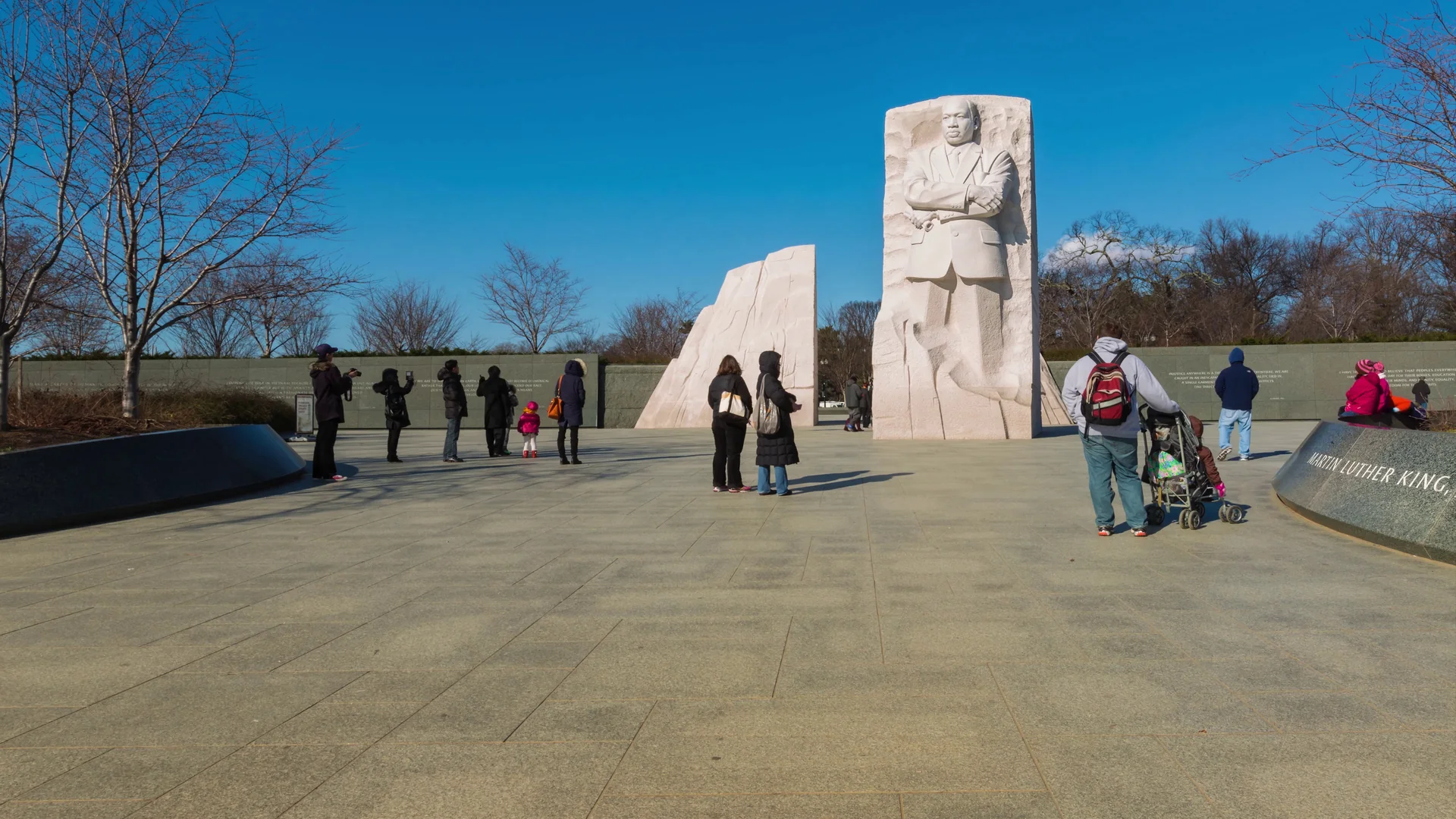
Practical visit: allow 25–40 minutes, including time to read the quotation wall. This free outdoor memorial sits beside the Tidal Basin and fits naturally into a basin walk. If you also visit Lincoln, the two sites offer different ways to think about the civil-rights movement and the public spaces associated with it.
Watch the Martin Luther King Jr. Memorial — 10:08.
#6. Georgetown: make room for a neighborhood
Georgetown changes the scale of a Washington visit. Instead of moving between monumental buildings, you can follow shopping streets, turn toward the canal and continue to the Potomac waterfront. The town was laid out in 1751, well before Washington became the federal capital; its historic-district record documents that earlier identity.
Use M Street and Wisconsin Avenue as orientation points, then leave time for the smaller streets and waterfront. This is a neighborhood visit, not a single attraction with a fixed entrance and tour length. A meal or coffee break belongs in the plan.
Practical visit: allow 2–3 hours. There is no Metro station in central Georgetown. Foggy Bottom-GWU and Rosslyn are possible approaches with a walk afterward; choose according to where you are starting. The neighborhood’s getting-here guide shows the options, but use WMATA’s live planner for current public-transport services.
#5. Jefferson Memorial, Tidal Basin and cherry blossoms
This chapter combines a building, a landscape and a seasonal event. The Jefferson Memorial stands on the south side of the Tidal Basin. John Russell Pope’s classical design was dedicated in 1943; the NPS account explains its relationship to Jefferson’s architectural interests.
Approaching along the water makes the setting part of the experience. The cherry trees connect the basin with the Japanese gift of 1912, but the memorial and waterfront are worth considering outside blossom season too. In spring, separate the festival calendar from the trees’ actual condition: peak bloom follows the weather, not a date that can be guaranteed months ahead.
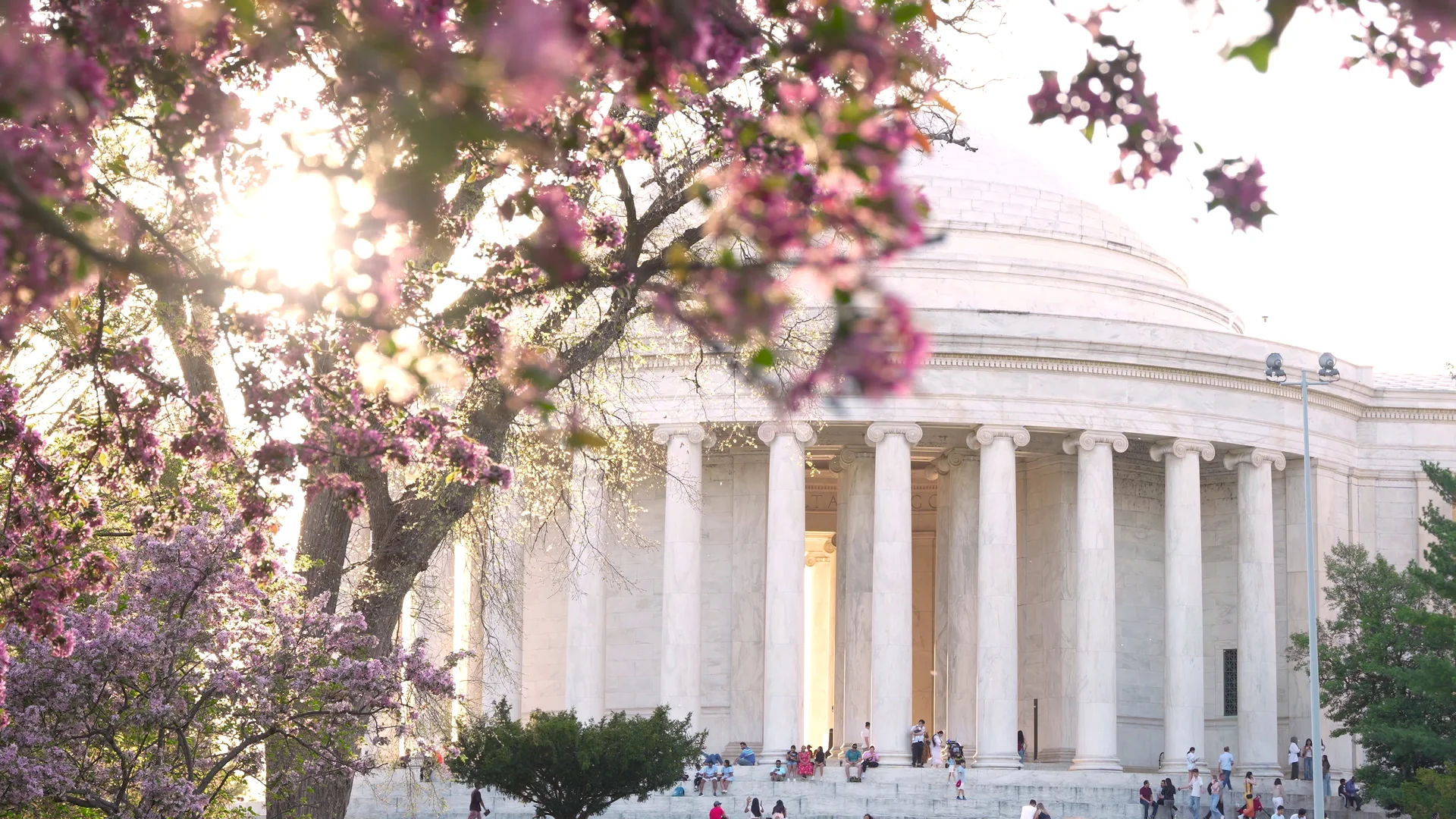
Practical visit: allow 60–90 minutes for the memorial and a selected shoreline stretch; a fuller circuit needs additional walking time. Check NPS cherry-blossom and visitor updates for seasonal guidance and route notices. Do not rely on an old photo or construction notice to establish which paths are open on your visit.
Watch Jefferson and the Tidal Basin — 12:07.
#4. White House: distinguish a view from a tour
Seeing the White House from the surrounding public area and entering it on an authorized tour are two different experiences. For a flexible sightseeing day, plan an exterior stop and treat any interior visit as a separate reservation.
The current official tour description includes public State Floor rooms such as the Blue Room, Red Room and State Dining Room. Requests are handled through a member of Congress and may be submitted 7–90 days ahead. Tours are free, but a request is not a guarantee, and confirmed arrangements can change. International visitors should check the official visit page and FAQ for the procedure and identification rules applicable to them.
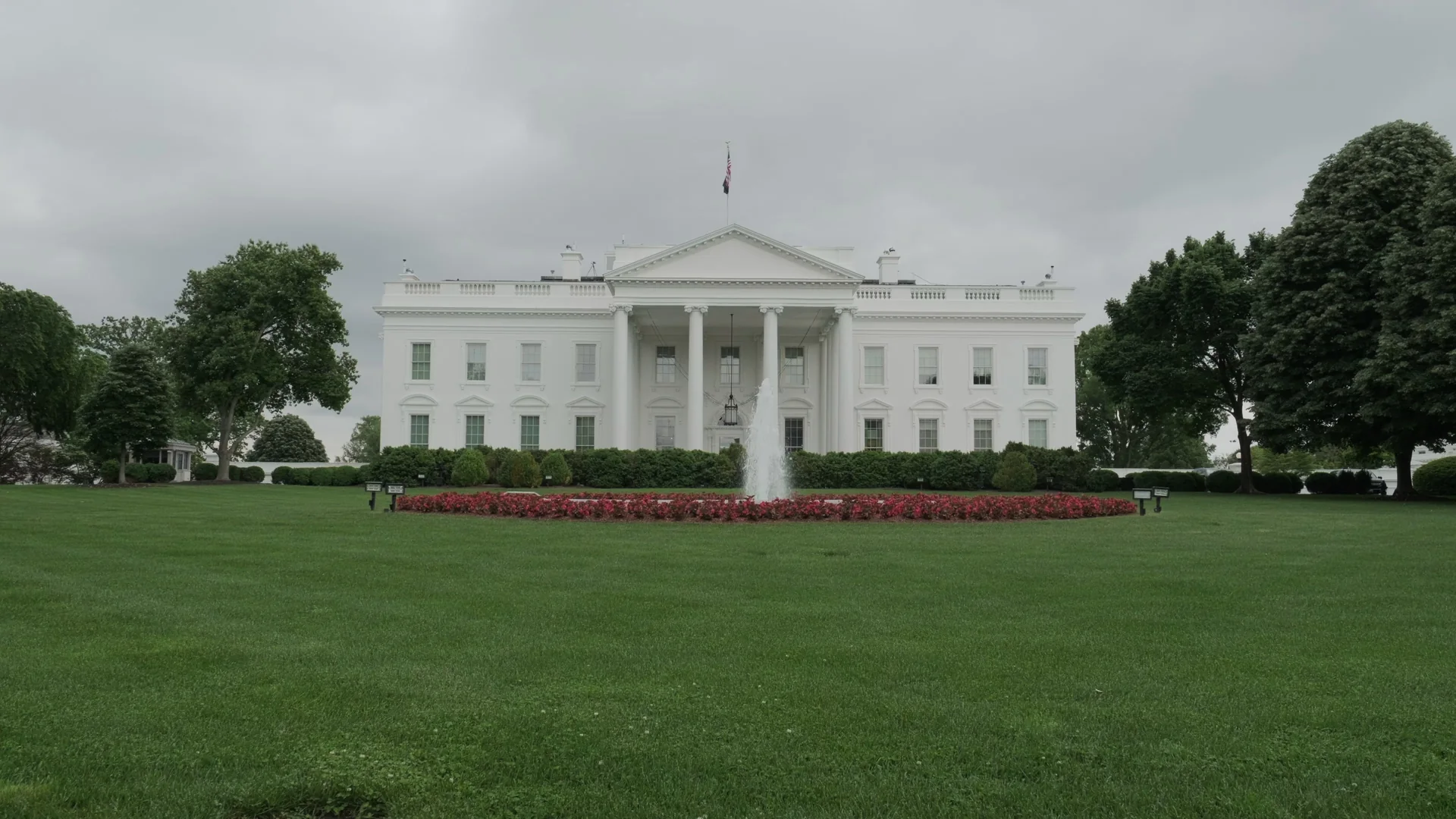
Practical visit: allow 20–40 minutes for exterior viewpoints only, longer if adding nearby interpretation or an authorized tour. Follow the current perimeter and officers’ directions; public viewing positions can change. An exterior stop is a useful downtown addition, but do not build a day around spontaneous interior admission.
Watch the White House — 15:04.
#3. Washington Monument: a skyline marker with a visible history
The Washington Monument helps orient a visitor across the Mall, but its stonework also tells a story. Construction started in 1848, stopped for more than two decades, and was completed in 1884. Different stone sources used across the phases explain the changes in color visible on the shaft. The NPS construction history makes that detail easier to recognize from the ground.
Decide whether an exterior visit is enough or whether you want the observation level. Those choices have very different scheduling consequences.
Practical visit: allow 20–30 minutes outside. For an ascent, reserve a 60–90-minute planning block including arrival and screening. Visitors aged two and over need tickets. Admission itself is free, with a $1 online reservation fee per ticket; limited same-day tickets are available without that fee. Check the official ticket instructions for releases, restricted items and closures. There are no toilets inside, and weather or maintenance can affect access.
Watch the Washington Monument — 17:01.
#2. United States Capitol: the dome is only the beginning
The Capitol’s familiar dome looks like part of a stone building, yet its structure is cast iron. Thomas Ustick Walter designed it, and construction ran from 1856 to 1866. Knowing that changes the way you look at its ribs, columns and decorative surfaces. The Architect of the Capitol’s dome history explains the engineering.
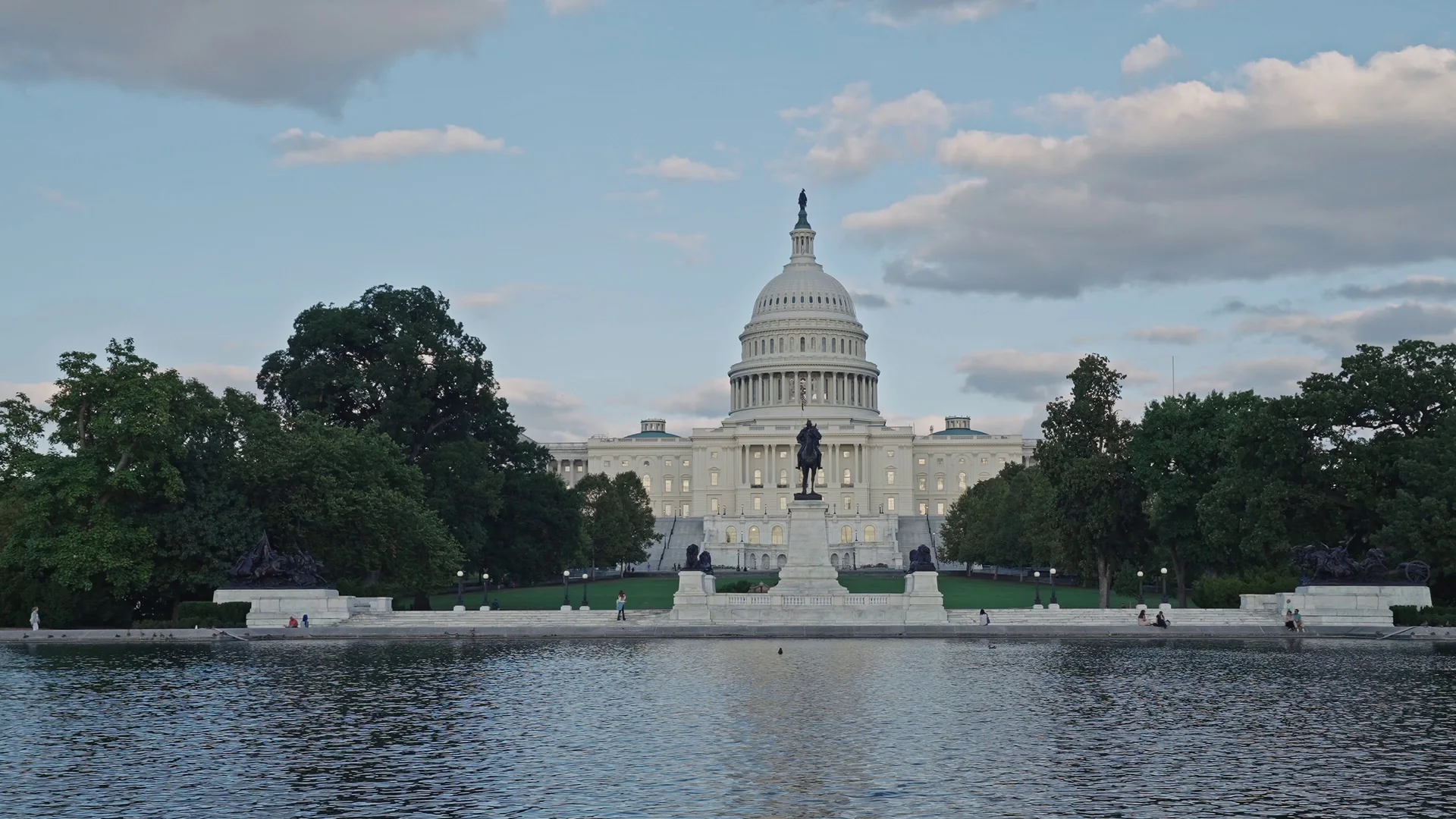
To see historic rooms inside, take a guided tour. The usual route includes the Crypt, Rotunda and National Statuary Hall, subject to change. It does not include the House and Senate galleries; do not confuse a building tour with observing congressional proceedings.
Practical visit: allow 90–120 minutes for the tour and selected visitor exhibits, plus security. Tours are free and reservations are recommended. The Visitor Center entrance is underground on the east side, while the familiar view from the Mall is on the west. Leave time to reach the correct entrance and consult the official visit page.
#1. Lincoln Memorial: finish with the words as well as the view
The Lincoln Memorial is the film’s final choice and a strong conclusion to a western Mall walk. Henry Bacon designed the building, dedicated in 1922. Its 36 exterior columns represent the states in the Union at Lincoln’s death. Inside, the seated statue was designed by Daniel Chester French and carved by the Piccirilli brothers. These details are documented in the NPS memorial publication.
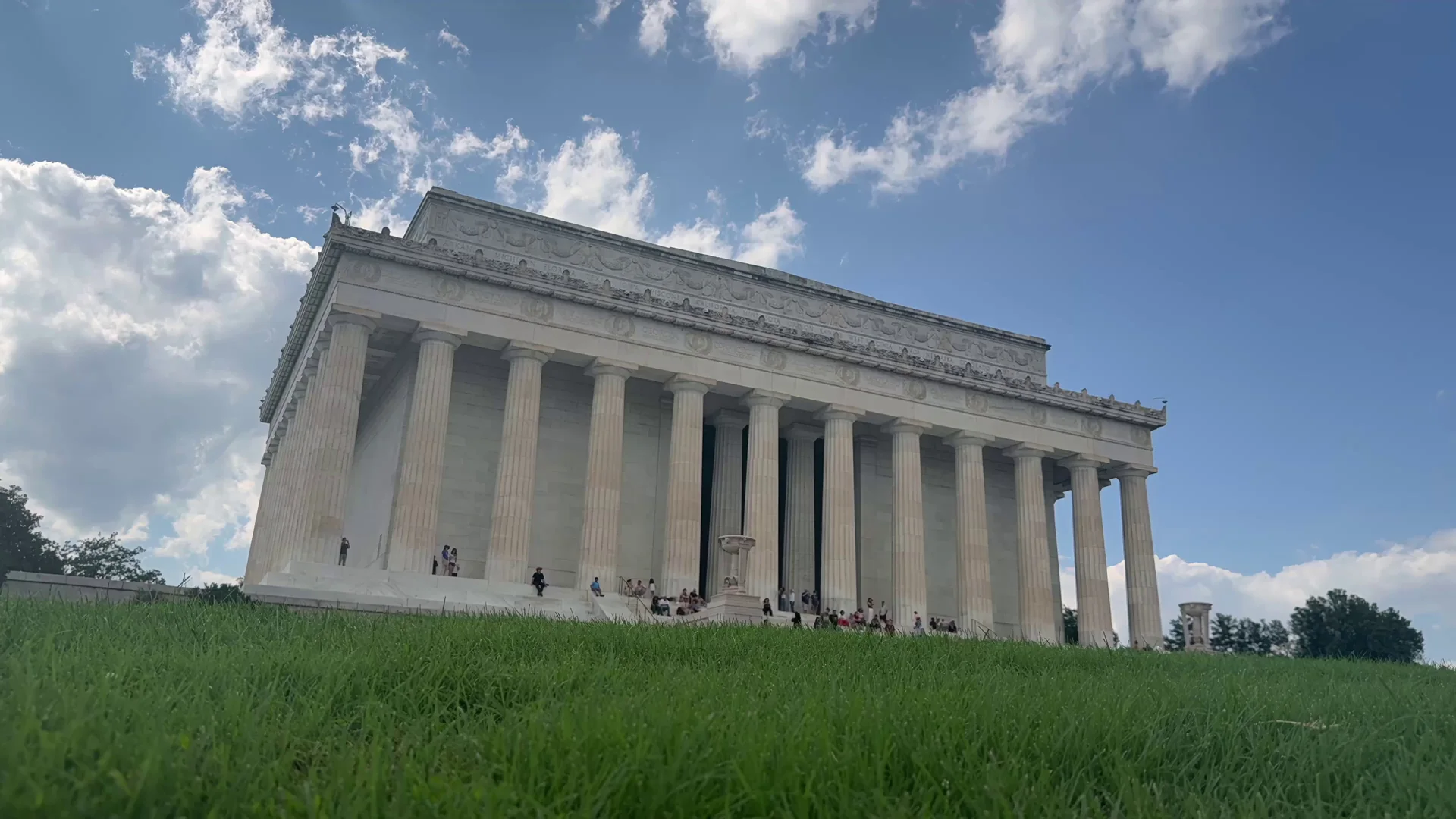
Look beyond the central figure to the Gettysburg Address and Second Inaugural Address on the walls. Then turn toward the Reflecting Pool and Washington Monument. The contrast between reading in the chamber and looking along the city’s long vista is what makes this more than a brief photograph stop.
Practical visit: allow 30–45 minutes, longer for the inscriptions and neighboring memorials. Admission to the outdoor memorial site is free. The National Mall visitor information explains general access; check current notices for any facility restrictions.
Watch the Lincoln Memorial — 22:58.
Where the sights are: plan by area
The countdown is enjoyable to follow on screen. On the ground, geographical clusters make more sense. Open the official National Mall maps for the central memorials, then use WMATA’s trip-planning tools for journeys between districts. Arlington has a separate cemetery map and visitor guide.
| Sightseeing area | Places from the film | Planning implication |
|---|---|---|
| Capitol Hill and Union Station | Union Station, Capitol, Library of Congress | Coordinate the two interior reservations; Union Station can fit an arrival day. |
| Central Mall and downtown | National Archives, African American museum, Washington Monument, White House | Choose indoor priorities before adding exterior stops. |
| Western Mall | World War II, Vietnam, Korean War and Lincoln memorials | A coherent walking group, with time for reading and pauses. |
| Tidal Basin and Southwest | MLK memorial, Jefferson and Tidal Basin, The Wharf | Combine selected shoreline sections with a waterfront meal; avoid assuming every path is open. |
| Georgetown | Georgetown | A separate neighborhood outing, including the approach from transit. |
| Virginia | Arlington National Cemetery | A separate visit across the Potomac, with screening and hills. |
Washington itineraries for one to four days
These plans assume a moderate pace and selective visits. The time allowances are flexible planning blocks, not measured travel times. Leave at least an hour for lunch and unplanned pauses, and check opening days before fixing reservations.
One day: choose a museum and the western memorials
Give the morning to either the National Archives or the National Museum of African American History and Culture. The latter needs the longer block, so reserve it early enough to leave an afternoon outdoors.
After lunch, visit the Washington Monument grounds, World War II Memorial, Reflecting Pool, Lincoln Memorial and the neighboring Vietnam and Korean War memorials. Allow roughly 3–4 hours for this outdoor sequence, including walking and pauses. An ascent of the Monument requires its own ticket and more time; trim the route if you book one. A White House exterior stop is optional if energy and daylight allow.
Two days: add Capitol Hill
Keep the first day selective. On day two, combine the Capitol and Library of Congress, allowing about half a day for the two buildings, security and movement between them. Fit Union Station around arrival, lunch or the end of the Capitol Hill visit.
Use the remaining afternoon for one additional priority: the museum omitted on day one, or part of the Tidal Basin. Finish at The Wharf if that suits the route. A Monday is unsuitable for the Library’s normal visitor program, so swap days or choose another interior visit.
Three days: cross the river or explore Georgetown
Reserve a morning for Arlington, with 2–3 hours inside plus travel and screening. Georgetown can fill the afternoon if you are comfortable with another walking outing and allow a proper lunch and transit break.
If the first two days were already full, choose just one of these and use the spare time for a missed museum or the Tidal Basin. Three days can give a broad introduction; it need not become a promise to complete every interior.
Four days: give all 16 places room
Use day one for Capitol Hill and Union Station; day two for a major museum, the Archives and selected downtown exteriors; day three for the western memorials, a Tidal Basin walk and The Wharf; day four for Arlington and Georgetown.
This is still an active schedule. Long museum visits, a White House tour or a Monument ascent may require moving another stop. Book the least flexible experiences first and arrange the outdoor sights around them.
Arriving and getting around
For rail arrivals, Union Station is both a transport hub and one of the film’s stops. For air arrivals, Reagan National Airport connects with Metro’s Blue and Yellow lines; Dulles connects with the Silver Line. BWI requires a different onward journey, so compare the full airport-to-accommodation trip. WMATA’s airport and train-station guide explains the connections.
Use Metro for longer movements and assess the remaining walk to the actual entrance. Check live service changes and elevator status if step-free access matters. WMATA’s rider guides cover payment options, including SmarTrip and contactless payment; compare passes with your expected journeys rather than assuming a pass always saves money.
For a trip focused on these sights, choosing accommodation with useful transit access is usually more practical than planning to drive between every stop. Parking and security checks can add time even where a map makes two destinations look close.
Where to stay
Choose an area by the journeys you expect to make, then check the actual hotel-to-station walk.
- Downtown or Penn Quarter: useful for an itinerary combining central sights and museum visits. Check the station and entrance most relevant to your chosen hotel.
- Capitol Hill or near Union Station: practical for a rail arrival and the Capitol–Library pairing; allow travel to the western memorials.
- The Wharf or Southwest: attractive if waterfront evenings are a priority. Check how you will reach Metro and your morning reservations.
- Georgetown: suits travelers who value a neighborhood setting and dining, with the trade-off of no central Metro station.
- Arlington near a Metro station: a possible Virginia base; evaluate the complete journey across the river rather than the room rate alone.
These are geographical planning choices, not hotel endorsements or claims about current prices.
Seasons, costs and comfortable sightseeing
For cherry blossoms, keep expectations flexible. A spring date does not guarantee peak bloom. Follow the NPS blossom updates, and keep museum options available if conditions change. For any season, check the forecast and build in indoor breaks: several hours among memorials involve substantial exposure to the weather.
Free admission still needs a plan. The main outdoor Mall memorials are free. The African American museum, Library and Capitol also offer free visits, but their reservation arrangements differ. The Archives’ optional timed ticket and the Monument’s online reservation currently each carry a $1 charge. Budget separately for meals, transport, parking and paid activities; these small booking charges are not an estimate of the whole trip’s cost.
For families, shorten the checklist. Pair one indoor visit with an outdoor area and a proper break. Choose material appropriate to the children’s ages, especially at sites dealing with war, slavery and loss. At Arlington, prepare children for the behavior expected in an active cemetery.
For access needs, plan entrances as well as destinations. The Library publishes accessibility information; the African American museum describes accessible facilities and limited loan wheelchairs in its FAQ. Arlington’s hills make its access and tram guidance especially relevant. Confirm individual arrangements rather than assuming every historic building or outdoor route works the same way.
For rain, swap priorities rather than squeezing them in. The Archives, Library and African American museum are indoor alternatives when open and available, but required tickets still apply. Keep a reservation that matters, and move the flexible memorial walk to a better weather window.
Questions worth settling before you go
Can you see all 16 sights in one day?
Not with meaningful visits to the museums, Capitol, Library, Arlington and Georgetown. One day is best spent on a selected indoor visit and a coherent memorial walk. Four days is a more workable starting point for all 16, with adjustments for reservations and pace.
Which reservations matter most?
Secure the African American museum and Library passes, and Washington Monument tickets if you want to go inside. Reserve a Capitol tour for predictability. A White House interior tour needs separate advance arrangements; the Archives offers optional reservations.
Is this the same trip as Let’s Visit’s 2010 Washington film?
No. This is a destination guide accompanying the 16-attraction documentary. The separate Washington, DC in 2010 photo story preserves an earlier personal visit. This guide uses independently licensed stock imagery.
What should be checked the evening before?
Confirm admission times, the correct entrances, bag restrictions, transit disruptions and the forecast. Save reservation confirmations and official visitor pages. Leave at least one part of the day flexible: Washington is easier to appreciate when there is time to read a wall, sit by the water or stay longer in a museum.
Sources, selection and photographs
The 16 places and their countdown order follow the linked Let’s Visit documentary. Historical and practical information was independently checked using the linked National Park Service, Smithsonian, National Archives, Library of Congress, Capitol, White House, Arlington National Cemetery, WMATA and local operator sources. This is an editorial selection, not an official popularity league table. Visit durations and suggested schedules are editorial estimates.
Visitor-information review: 20 October 2026. Use the official links beside each attraction for current conditions.
Images: Storyblocks, licensed separately as still-image assets for this guide. These stock images illustrate the locations and are not a record of a personal Let’s Visit trip or a guarantee of present-day conditions. Individual asset links accompany the captions.