
Trip: May 2010
From a cruise past the Statue of Liberty to the view from Top of the Rock, our New York visit took us through Manhattan’s waterfront, historic streets, busy avenues and parks. These are our original photographs and travel film from the trip, ending among the lights of Times Square.
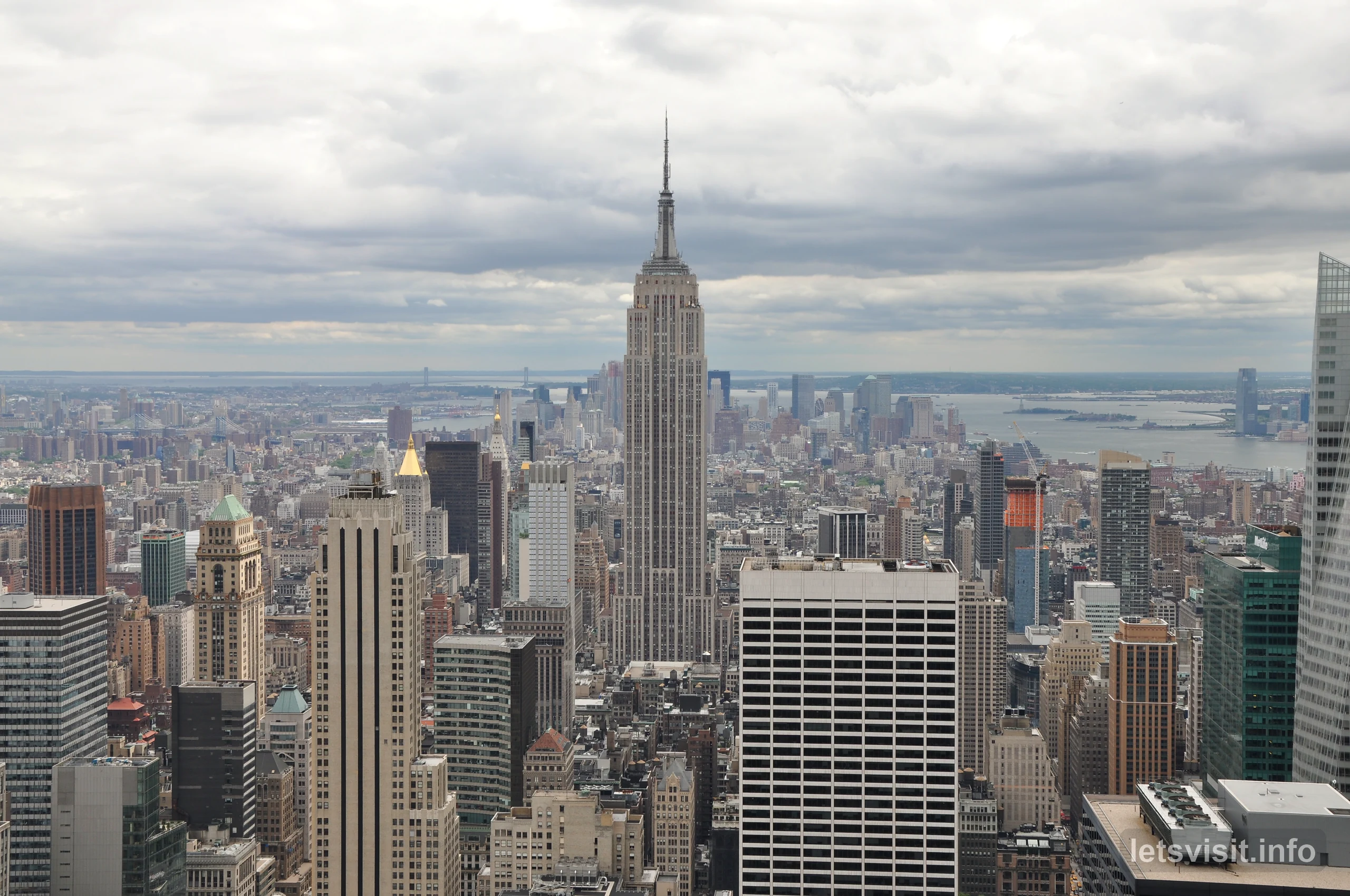
We arrived in New York in 2010 with Manhattan’s skyline appearing beyond the window of our tour bus. The first views brought together the city’s familiar outlines: clusters of tall buildings, the waterfront and the narrow southern end of the island. Soon we were seeing those buildings from several very different angles — from the streets, from a boat and from high above Midtown.
Our visit combined the places we had come to see with scenes of the city going about its day. There were visitors gathering around Charging Bull, an anti-war demonstration on Fifth Avenue and a performer making bubbles near Bethesda Terrace. Alongside the landmarks, these smaller scenes became part of our visit.
NEW YORK CITY · 2010 · ORIGINAL PHOTOS & VIDEO
Our New York trip at a glance
Destination
New York City, USA
Year
2010
Perspectives
Manhattan from street level, the harbor and Top of the Rock
Highlights
Statue of Liberty, Wall Street, Central Park and Times Square
On this page
Film Arrival Battery Park Harbor cruise Financial District Trinity Church World Trade Center Seaport & Chinatown United Nations Rockefeller Center Top of the Rock Fifth Avenue Central Park More views Times Square Final thoughts
Watch our New York travel video
Our travel film brings together the harbor cruise, the streets of Lower Manhattan, the views from Top of the Rock and the city’s changing pace between Central Park and Times Square. Watch it alongside the photographs for a fuller picture of our visit.
Arriving in Manhattan
The approach to Manhattan gave us a broad view before the buildings began to fill the streets around us. From the bus window, the Midtown skyline appeared through cloud, while the towers of Lower Manhattan formed a separate cluster farther south.
Seen from a distance, the buildings fit together into one recognizable skyline. At street level, the view broke into individual façades, corners and narrow gaps between towers. We would return to those wider views from the harbor and, later in our sightseeing, from the observation deck at Rockefeller Center.
Battery Park and The Sphere
At Manhattan’s southern end, we stopped in Battery Park, where The Sphere stood during our visit. The damaged metal sculpture had once occupied the plaza between the World Trade Center’s Twin Towers.
Created by Fritz Koenig, it survived the attacks of September 11, 2001, despite severe damage. It was placed in Battery Park in March 2002 as a memorial to the victims. That was where we encountered it in 2010, before our visit to the World Trade Center area itself.
The sculpture’s damaged surface made it a very different kind of monument from the formal statues and façades elsewhere in Manhattan. Its history was part of the object standing in front of us.
A harbor cruise past the Statue of Liberty
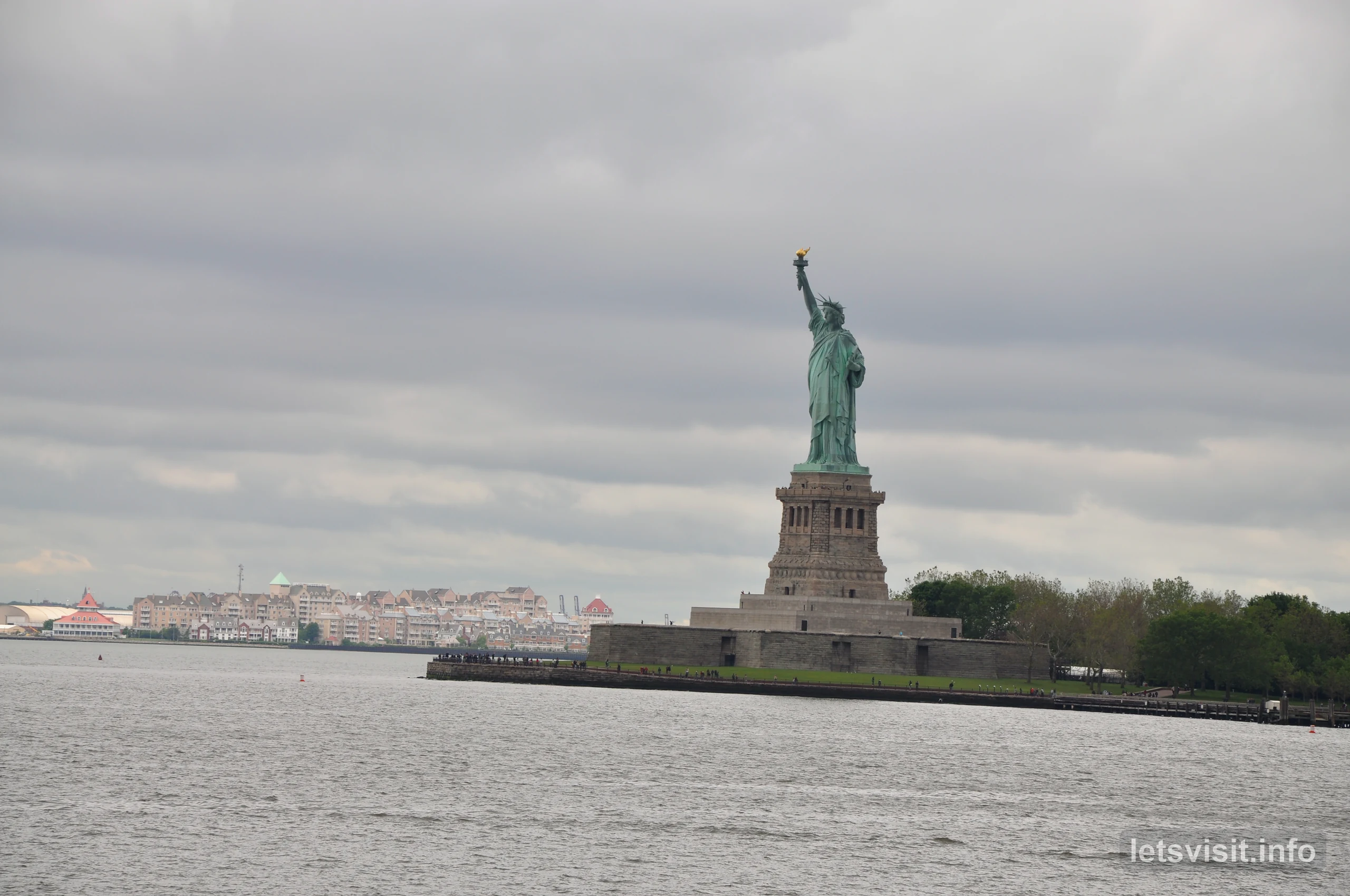
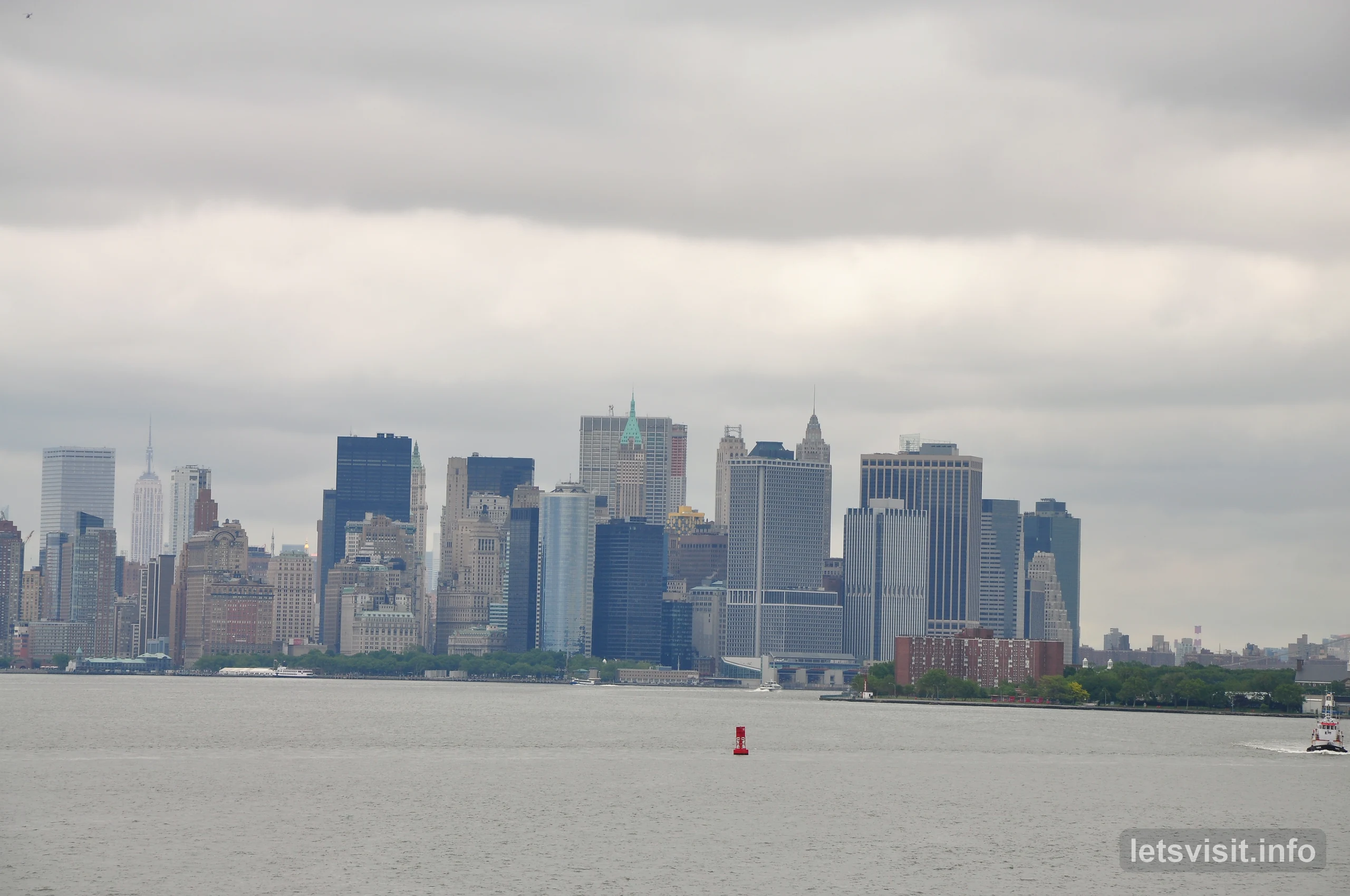
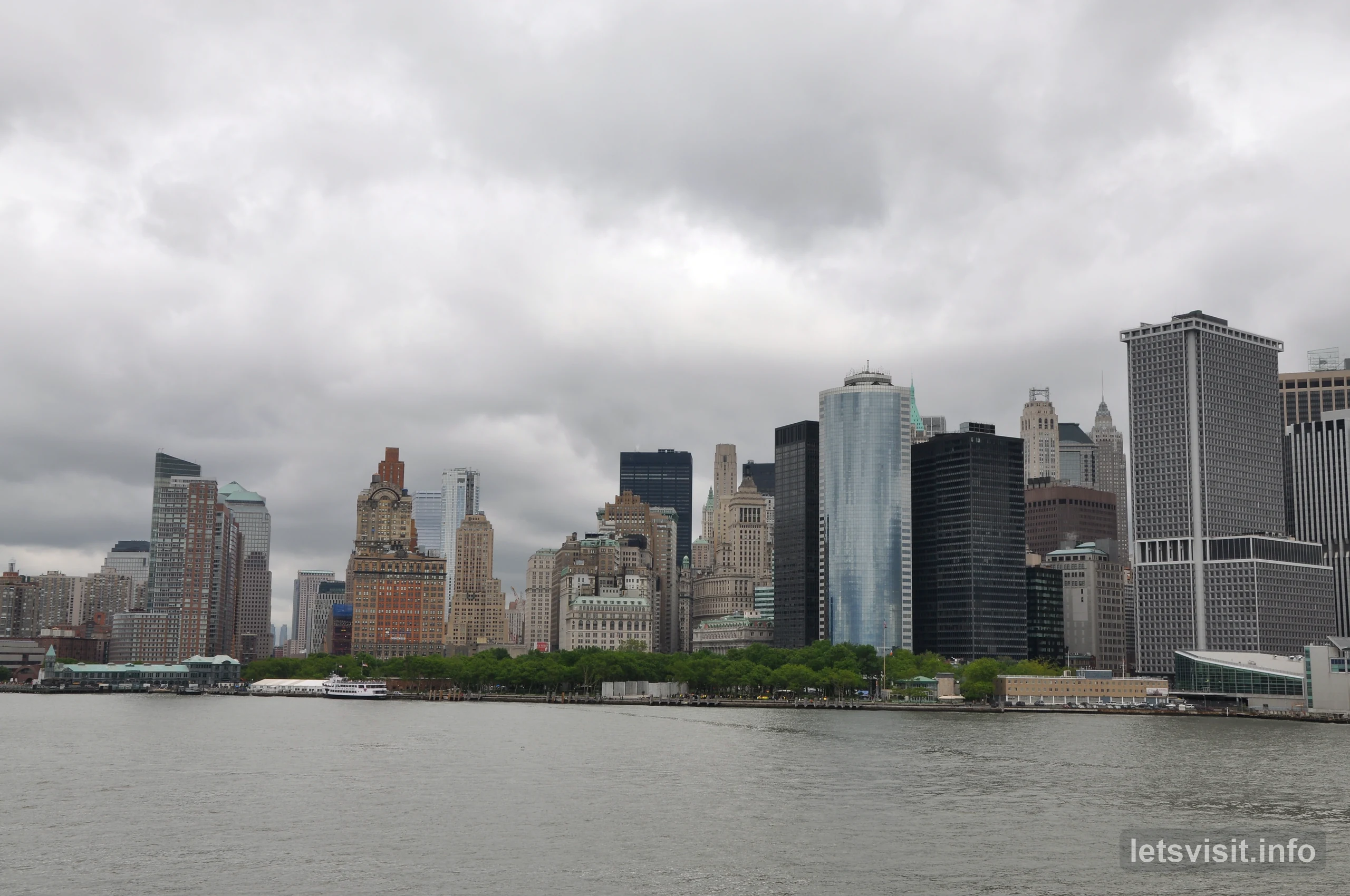
Our cruise took us out onto New York Harbor for a different view of the city. From the water, Manhattan’s waterfront and buildings could be seen together, with the cloudy sky opening above them.
The main landmark was the Statue of Liberty, rising above its pedestal on Liberty Island. Even from the boat, its outline was unmistakable: the raised torch, the crown and the long folds of the figure’s robe. The statue was dedicated on October 28, 1886. Frédéric Auguste Bartholdi designed the figure, whose copper surface gradually developed its familiar green color.
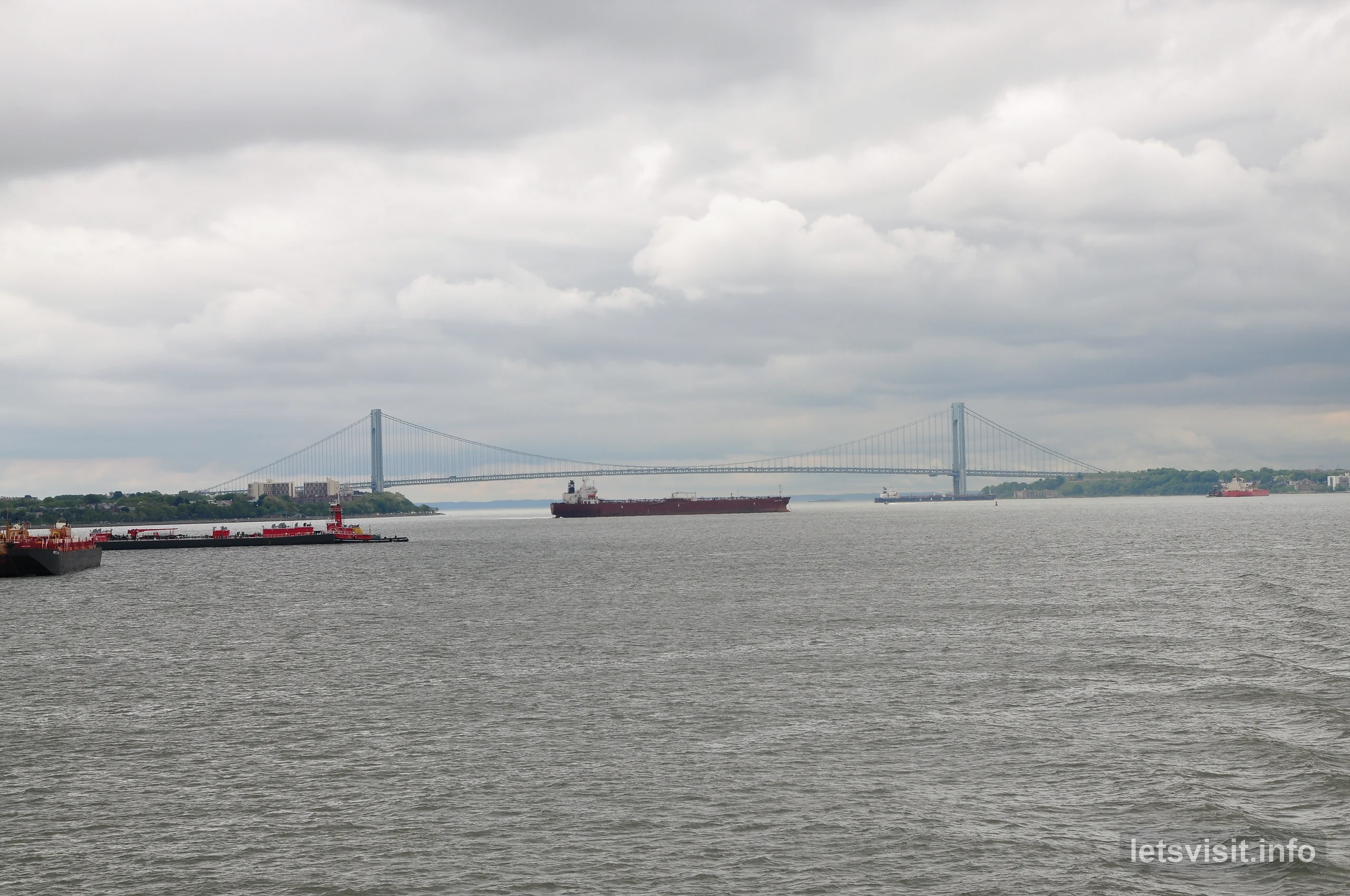
Farther across the harbor, the Verrazzano-Narrows Bridge linked Brooklyn and Staten Island. The suspension bridge opened in 1964, and its long span added another recognizable shape to the view from the water.
The cruise also gave us space to look back toward Lower Manhattan. On land, we had been looking up at individual buildings; from the harbor, their relationship to the waterfront was much easier to see.
Charging Bull, Wall Street and Federal Hall
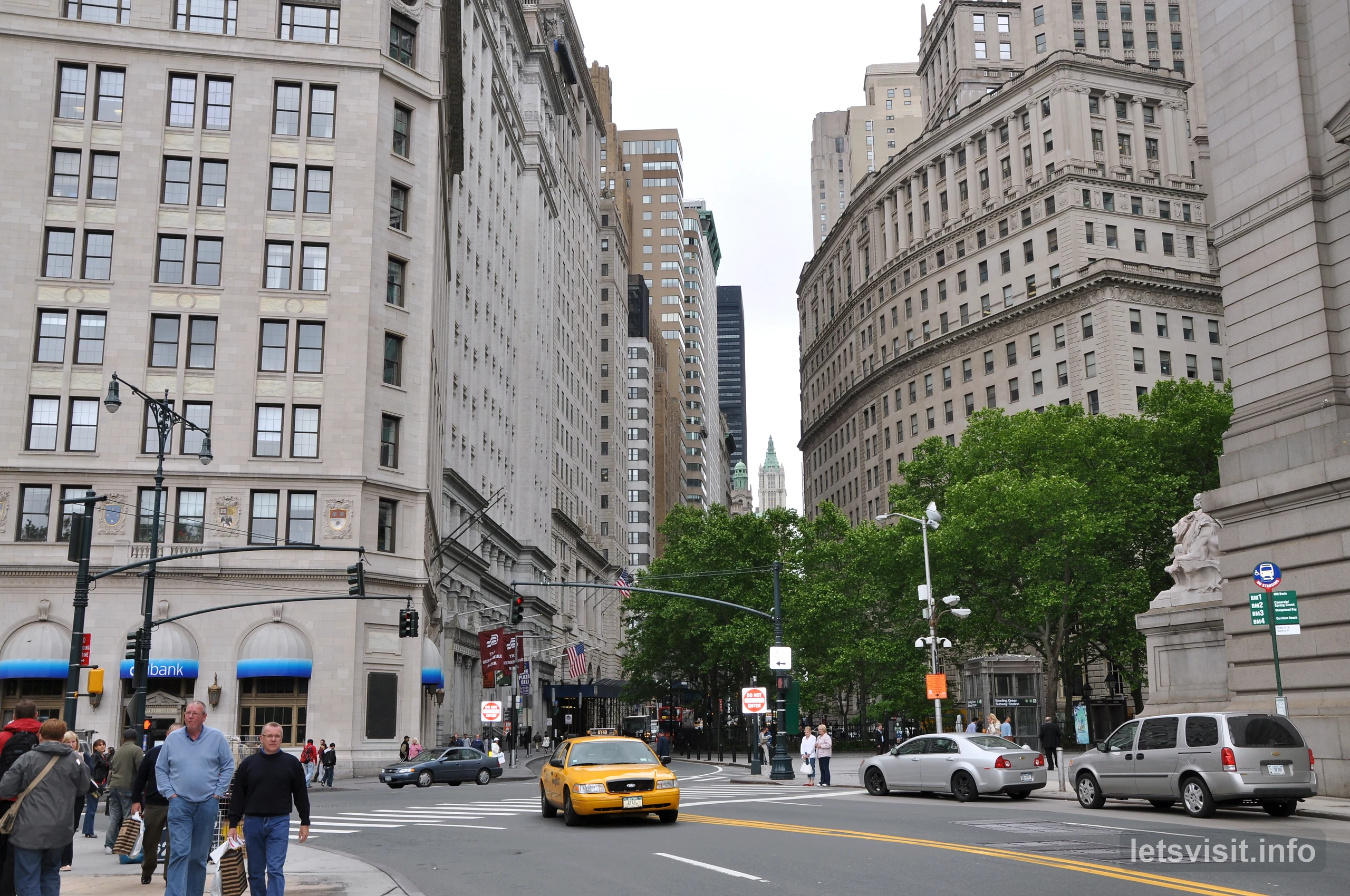
Back in Lower Manhattan, we found a group of visitors around Charging Bull on Broadway, beside Bowling Green. The bronze animal sits low and powerfully on the street, its head lowered and its body turned as if about to move. There was plenty happening around it, with people gathering for photographs against the surrounding city buildings.
The sculpture is the work of Arturo Di Modica and has been displayed at the northern end of Bowling Green since 1989. Its connection with the financial markets makes it a natural introduction to the nearby Wall Street area.
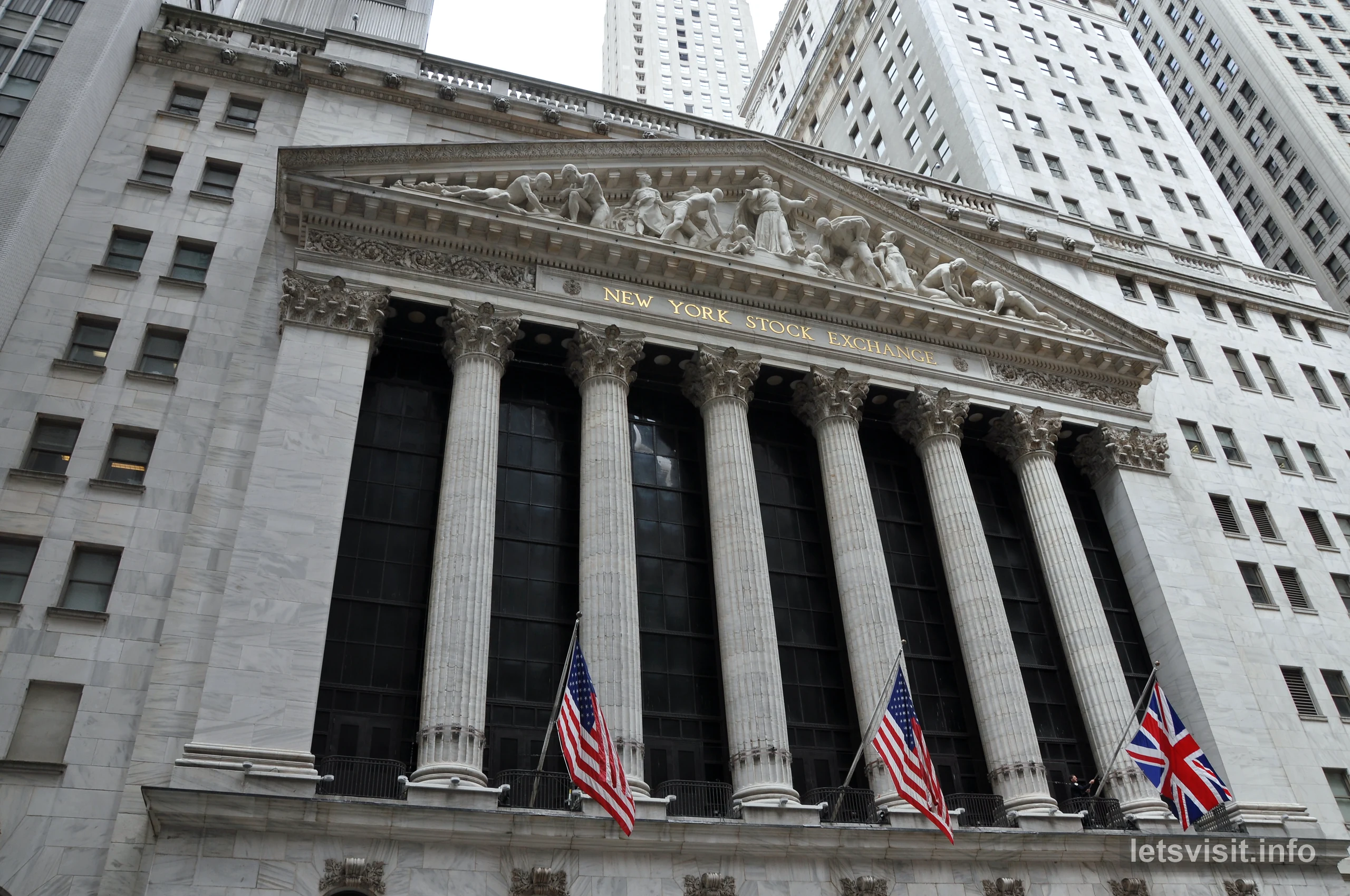
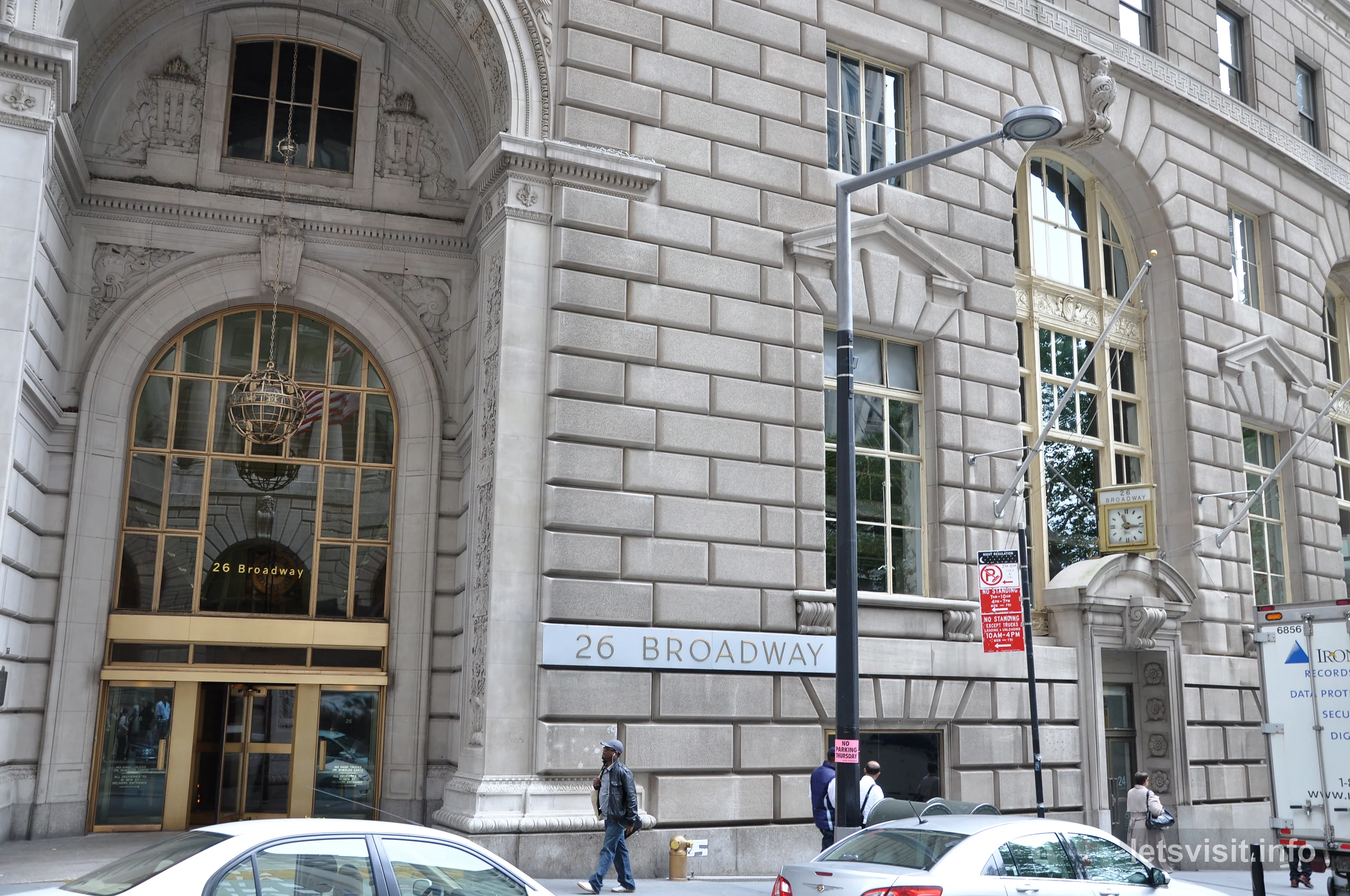
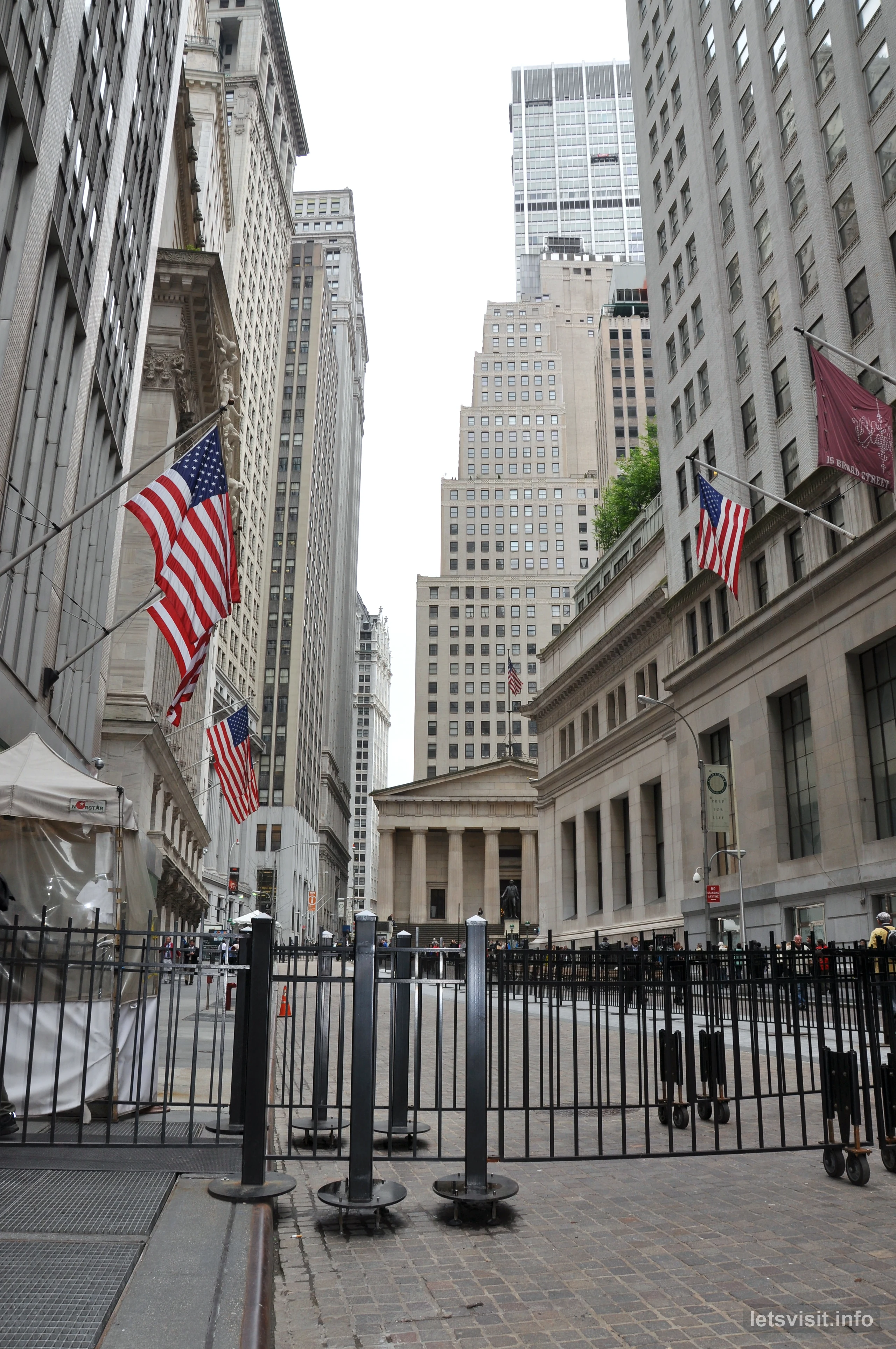
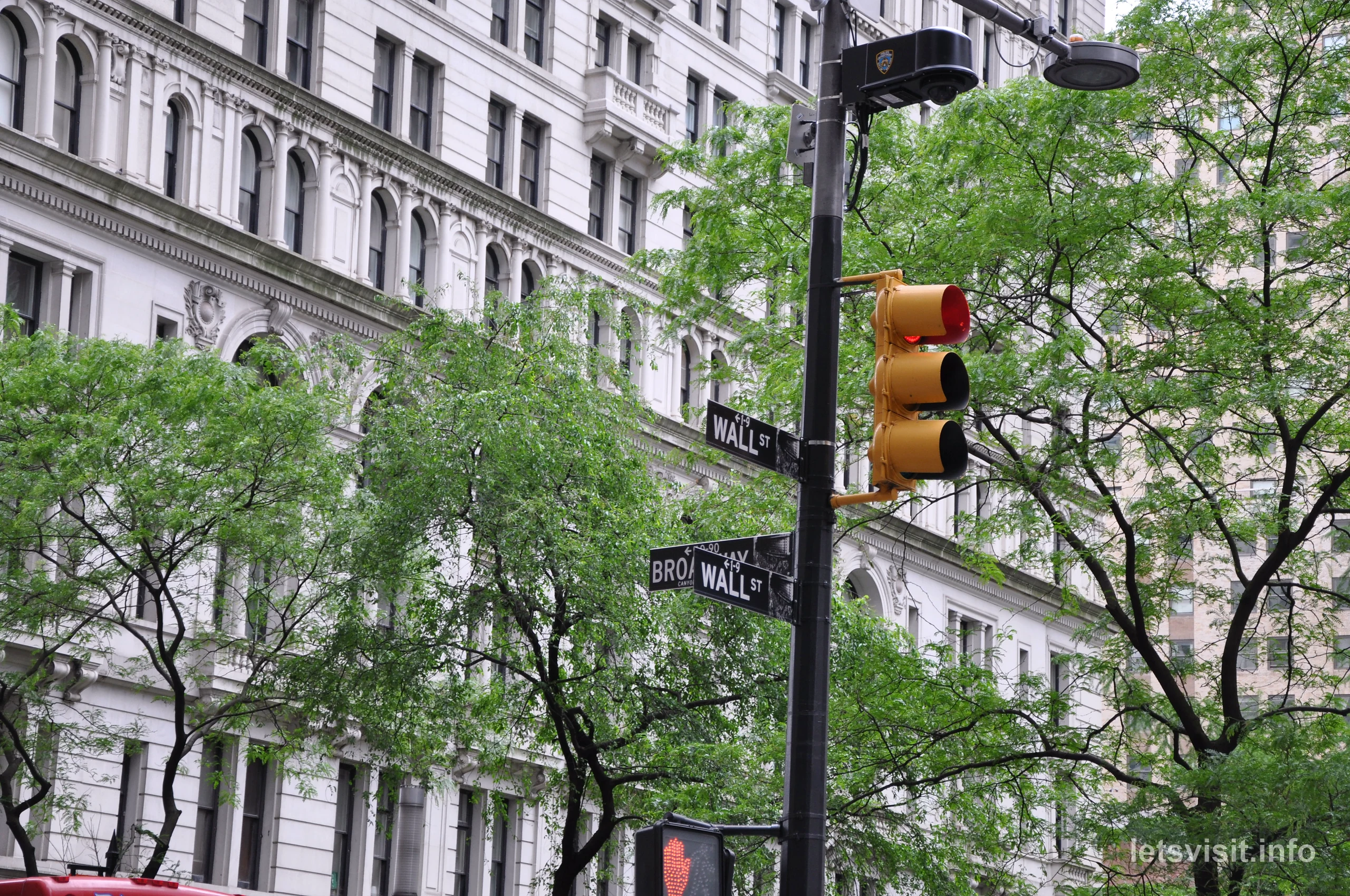
Around Wall Street and Broad Street, the buildings crowd close to the pavement. The New York Stock Exchange stands out through its great columns and sculpted pediment. Its principal façade is on Broad Street, where the building was completed in 1903. We saw it from the street, surrounded by the everyday movement of the Financial District.
Nearby, George Washington’s statue marks Federal Hall. This is the site where he took the oath as the first president of the United States on April 30, 1789. The building we see there is a later one, opened as a customs house in 1842; the inauguration took place at the earlier Federal Hall on the same site.
These places bring several parts of New York’s history into a small area: commerce, the financial markets and the beginning of the federal government. They also reward a closer look at the buildings themselves, from the exchange’s façade to the steps beneath Washington’s statue.
Trinity Church among the towers
Trinity Church offered another change of scale in Lower Manhattan. Its Gothic Revival spire and stonework stood among the much larger commercial buildings, with the churchyard providing an open space beside the church.
The present church was designed by Richard Upjohn and consecrated in 1846. The surrounding churchyard connects the place with an earlier New York; Alexander Hamilton is buried here.
The church was a useful counterpoint to the Stock Exchange and surrounding office blocks. Within the same part of Manhattan, we were seeing a working financial district, an early seat of government and a historic place of worship.
The World Trade Center site in 2010
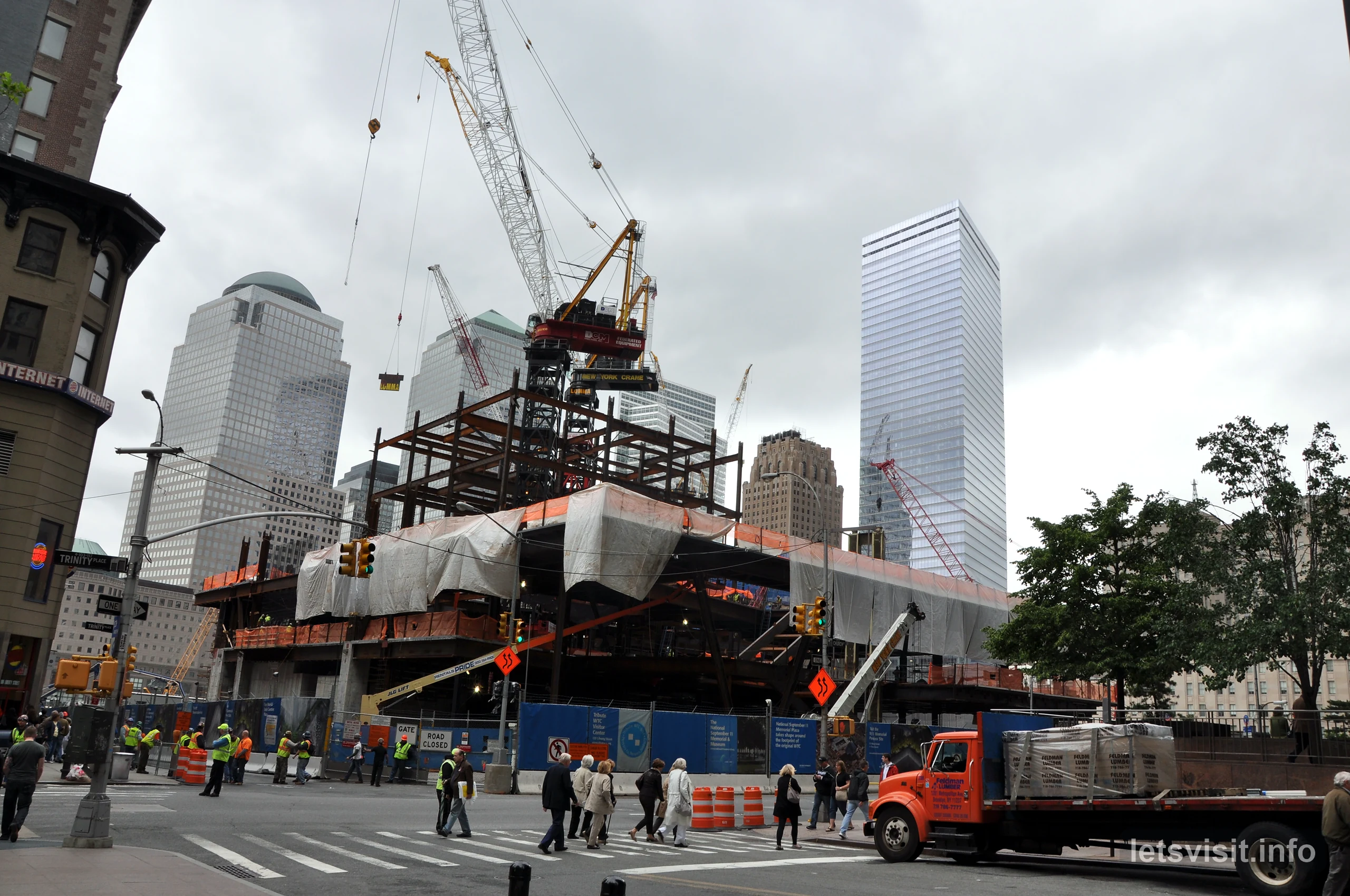
At the World Trade Center site, reconstruction was still under way. The area we saw was a building site, with new structures rising where the attacks of September 11 had transformed Lower Manhattan.
One World Trade Center was under construction during our visit. The work across the site was part of a much larger rebuilding project, including the memorial then being prepared for its opening. Contemporary construction updates describe the progress made through 2010.
Earlier, at Battery Park, we had seen The Sphere, which had survived the destruction of the original complex. Here we saw the next stage of the site’s history taking physical shape. The two stops were connected, but each showed something different: a surviving sculpture and an area being rebuilt.
South Street Seaport and a drive through Chinatown
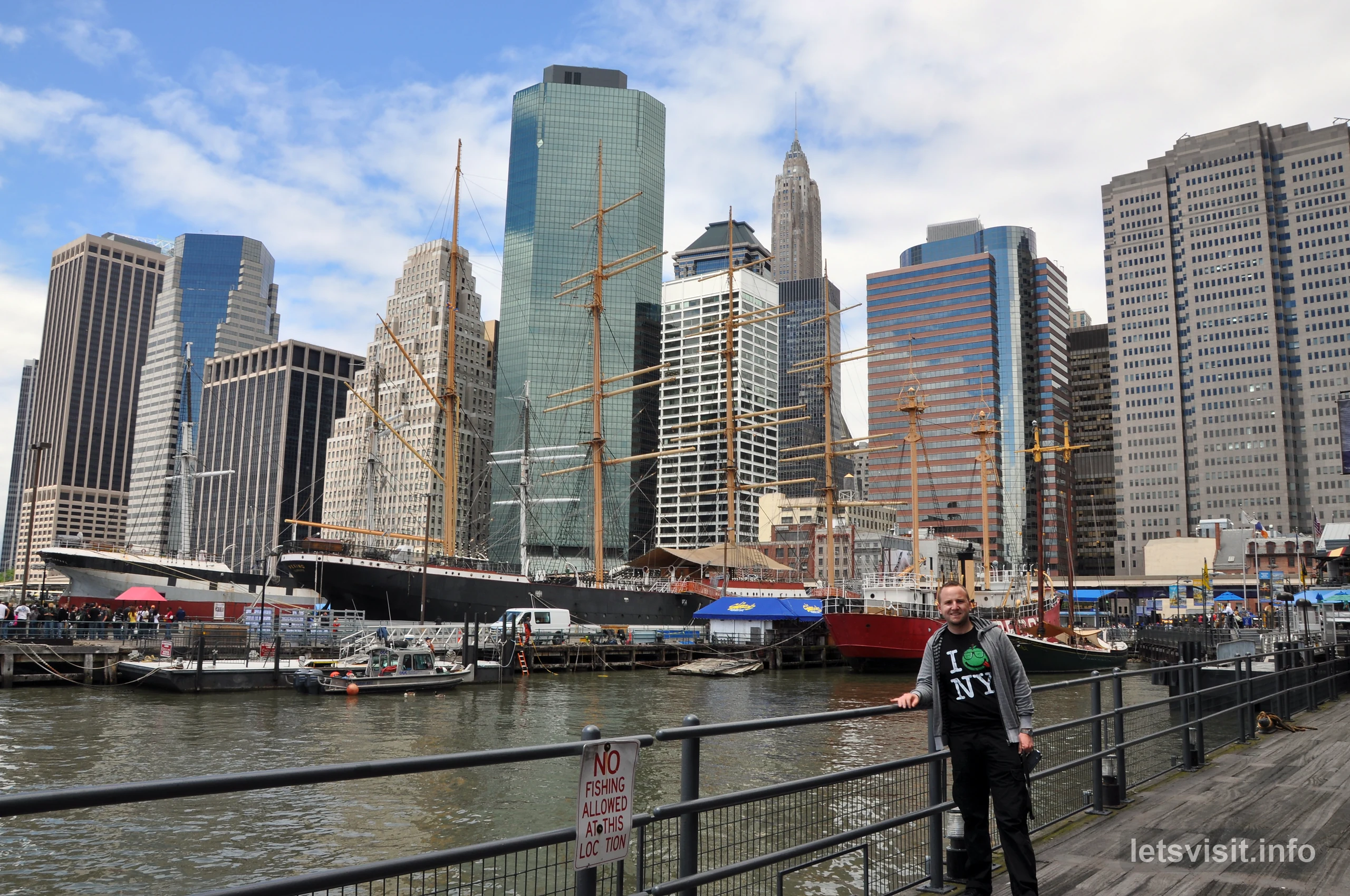
At South Street Seaport, the skyline acquired a different foreground. The masts and rigging of historic ships stood against the buildings of Lower Manhattan, showing the city’s maritime side close to its financial center.
New York’s growth was closely tied to its port. The South Street Seaport Museum was established in 1967 as preservationists worked to protect the district and its maritime heritage. The waterfront we saw made that connection easy to understand: shipping and commerce belonged to the same city story as the office towers nearby.
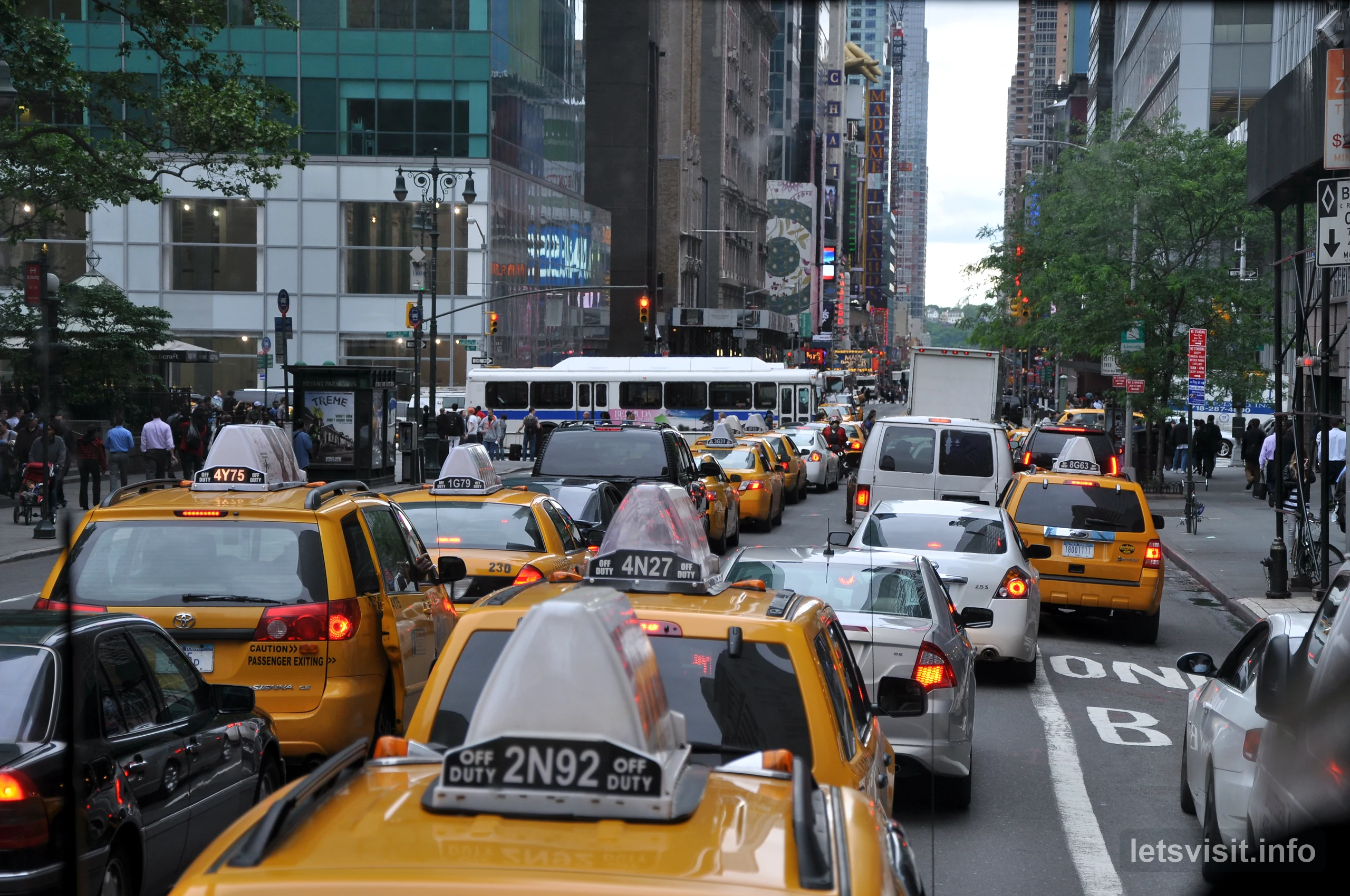
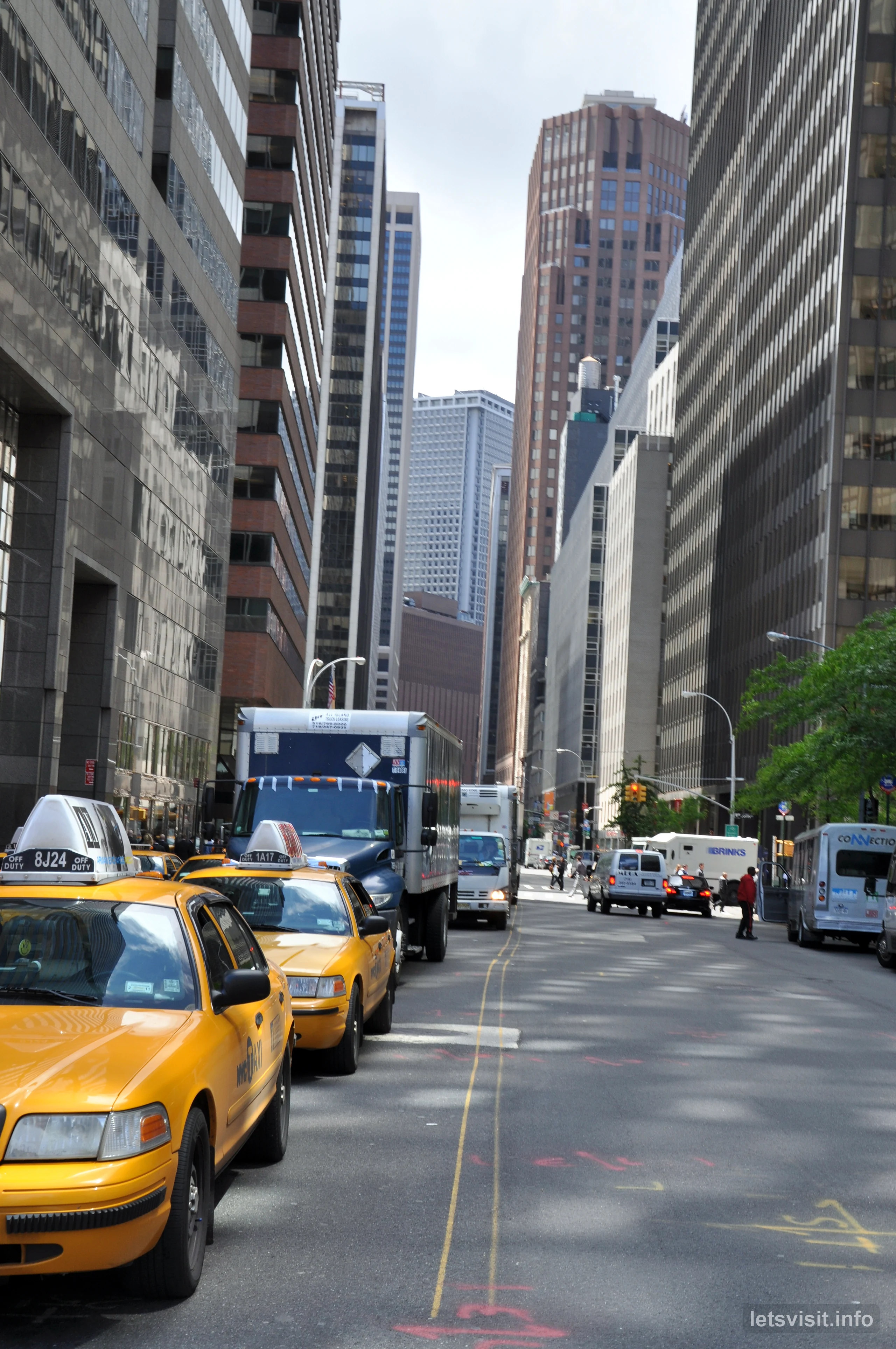
Our drive through Chinatown brought us back into busy streets lined with businesses and signs. From the vehicle, we saw the neighborhood in passing, with one street scene following another. It added a more everyday view of Manhattan between the larger landmarks.
The United Nations on the East River
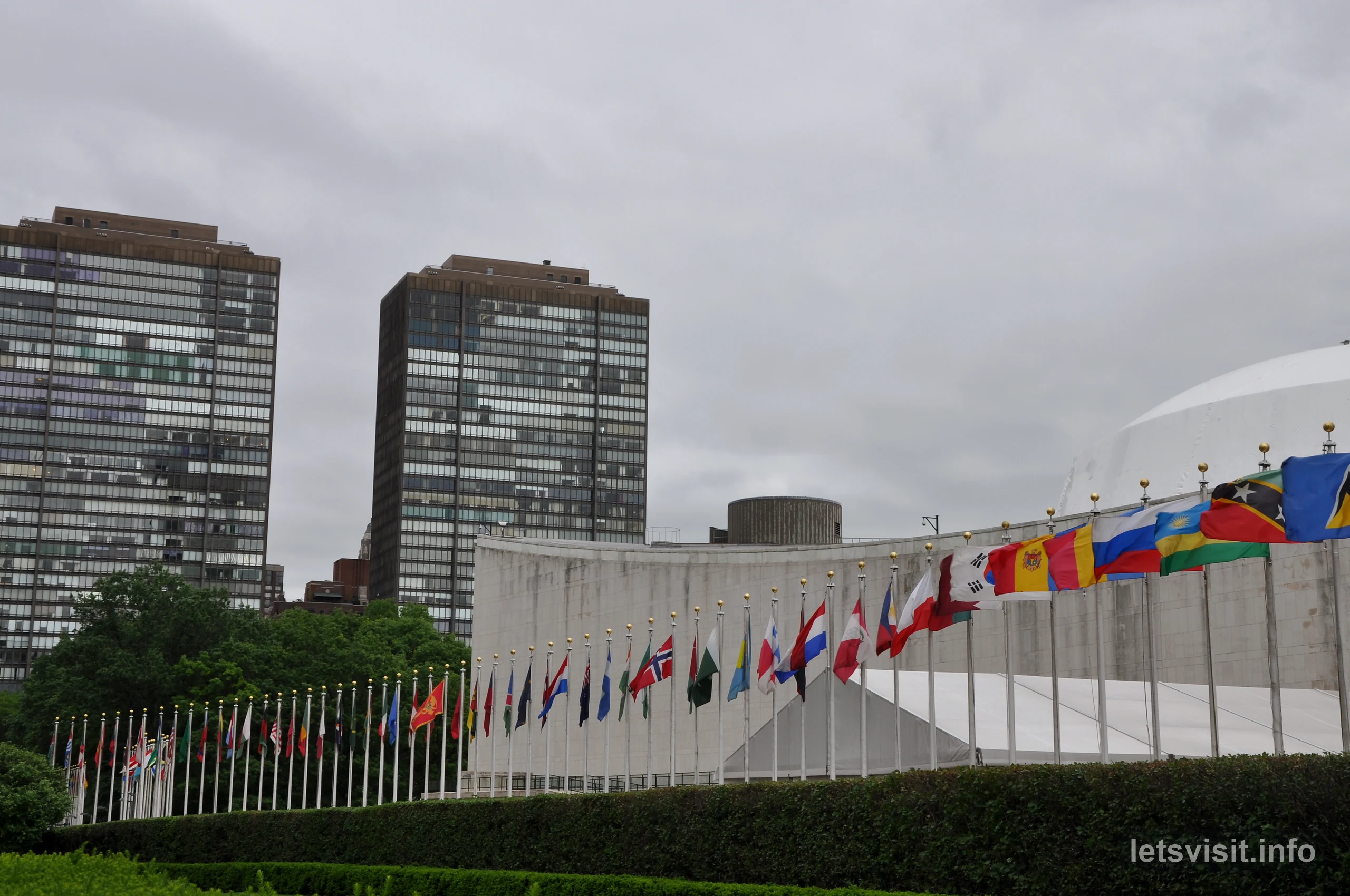
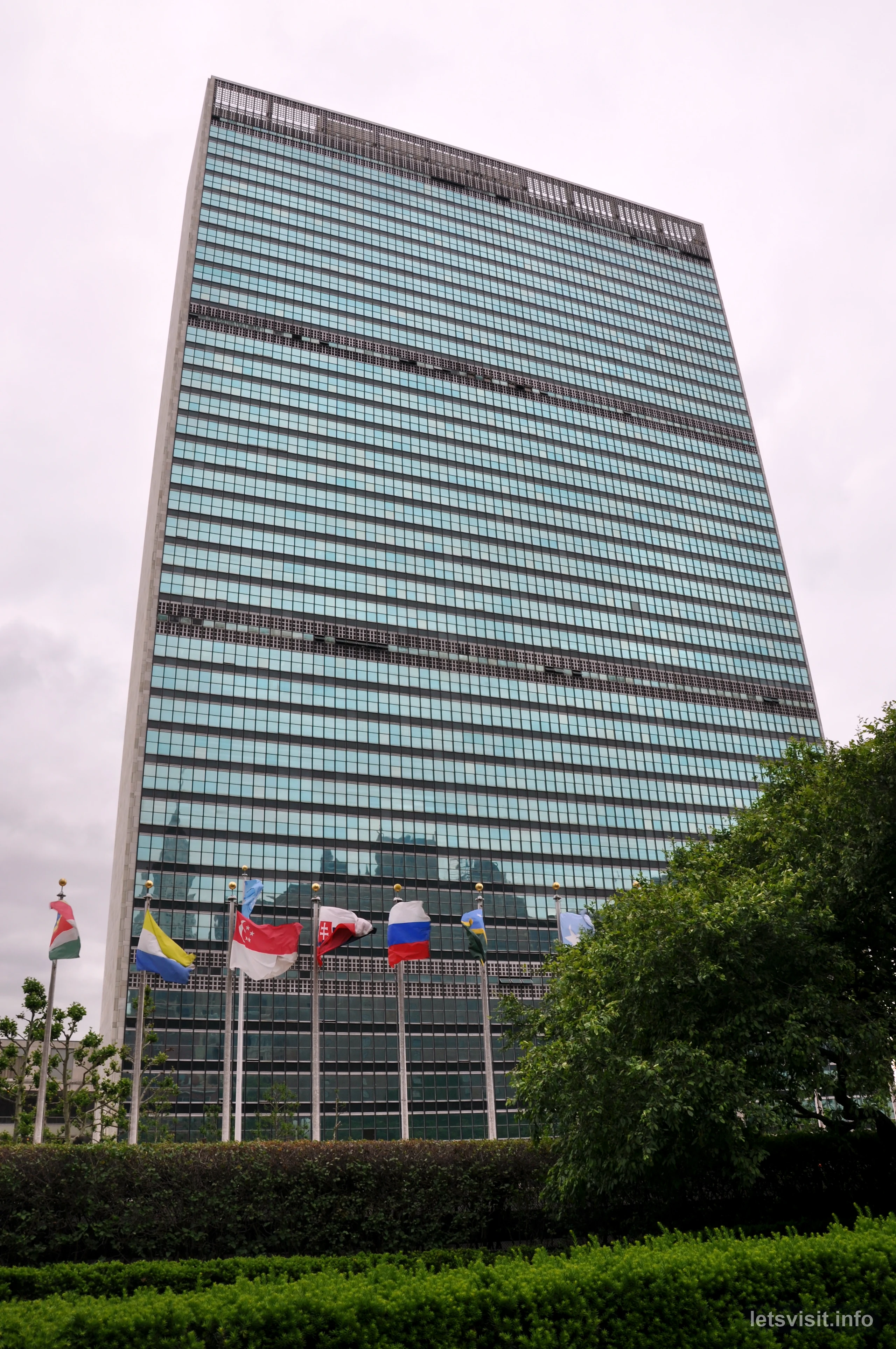
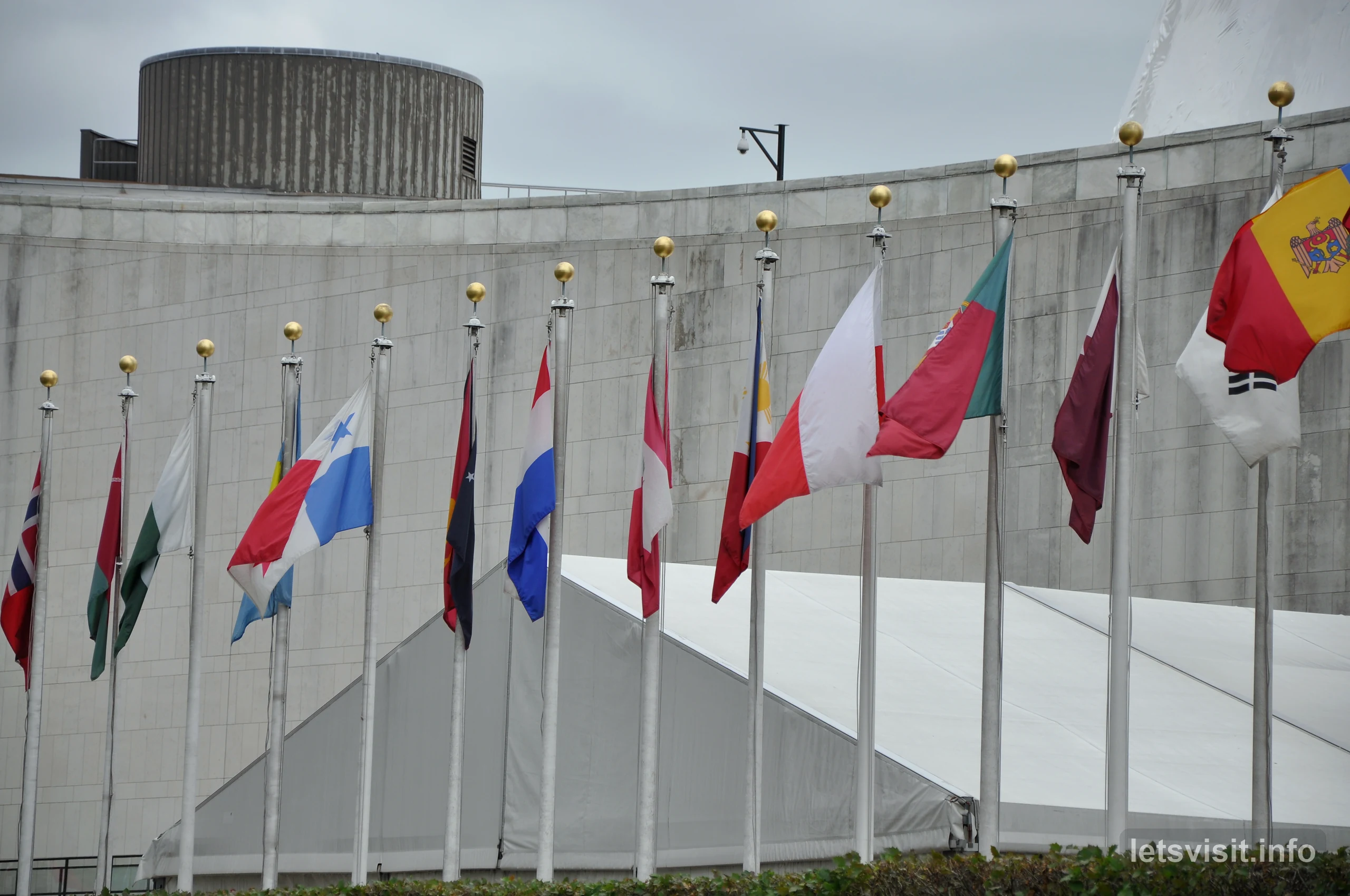
On Manhattan’s East Side, we saw the United Nations headquarters beside the East River. Its modern buildings brought another architectural style into our visit after the older stone façades of Lower Manhattan.
The headquarters complex was completed in 1952. The tall Secretariat Building and the lower General Assembly building form parts of the same complex, designed for the work of an international organization within the city.
Our view was from outside. It was another familiar New York landmark seen in its actual surroundings, with the river helping to explain the setting of the complex.
Rockefeller Center and Prometheus
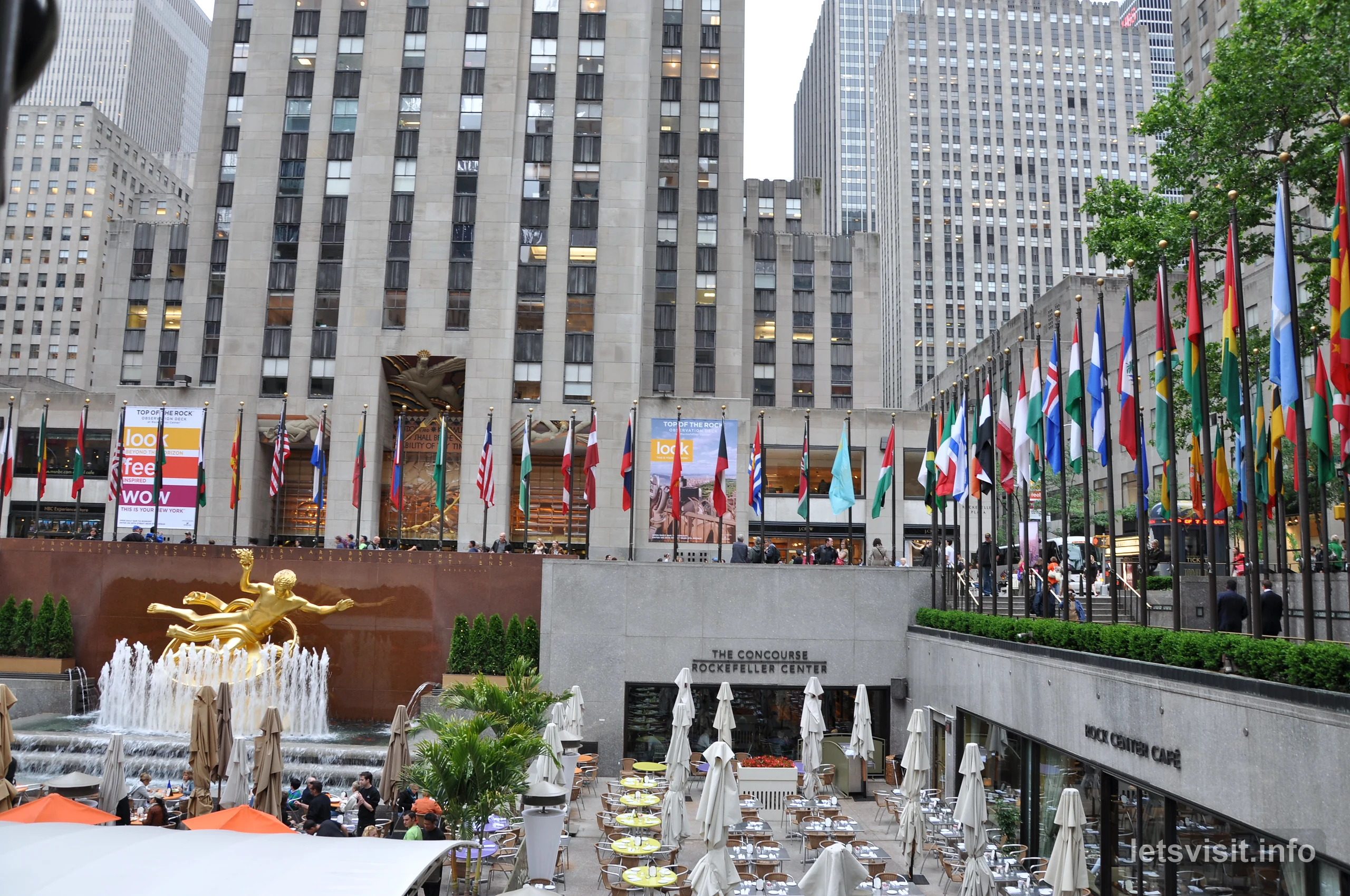
At Rockefeller Center, we returned to the middle of Midtown. The buildings frame a series of plazas and passages, and the gold-colored figure of Prometheus provided an immediately recognizable detail above the Lower Plaza.
Paul Manship created the gilded bronze sculpture in 1934. It depicts the figure from Greek mythology who brought fire to humanity. Looking at the sculpture gives the plaza a point of focus before the surrounding buildings draw the eye upward.
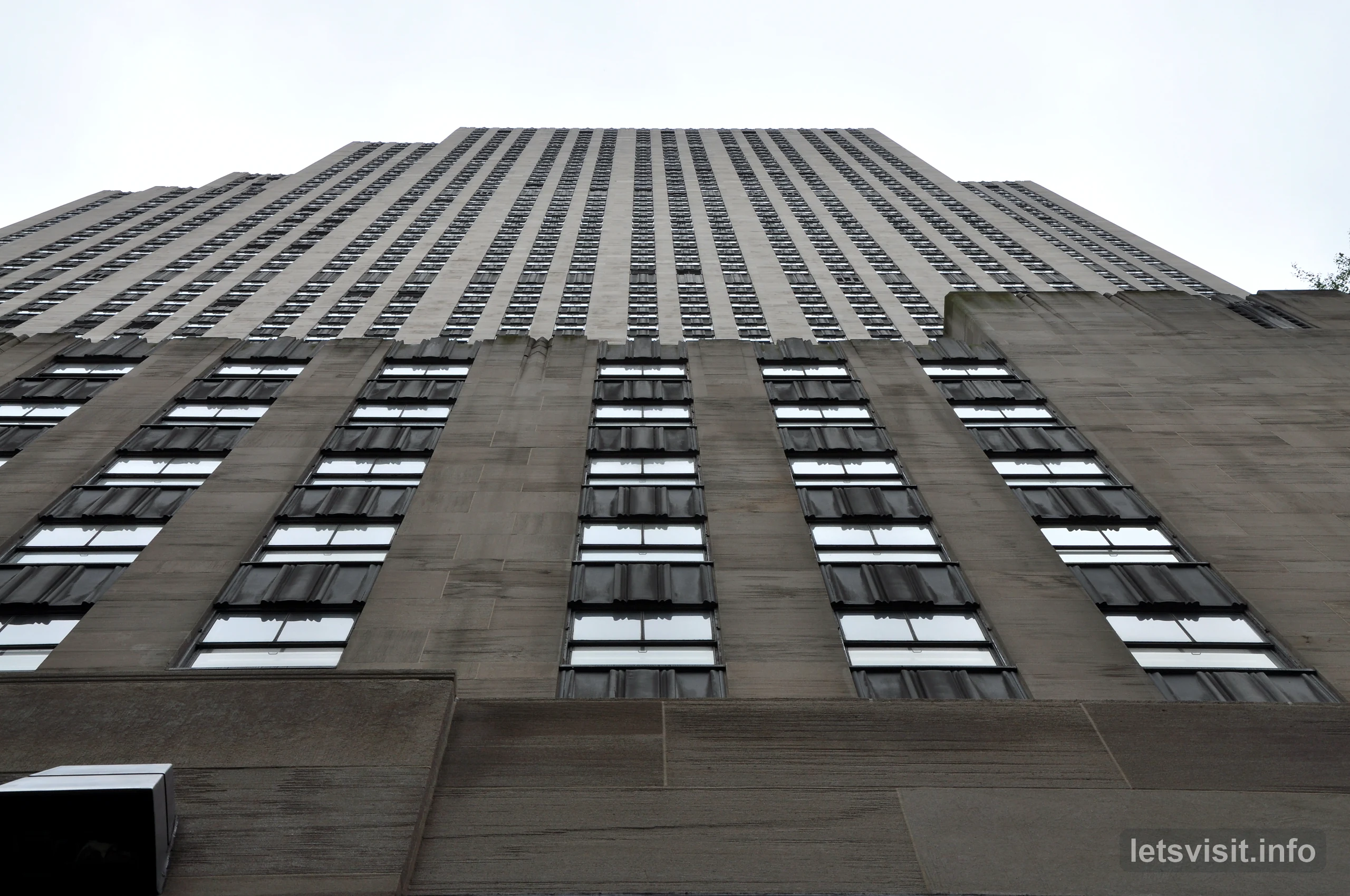
For us, Rockefeller Center was also the starting point for a much broader view of Manhattan: the observation decks at Top of the Rock.
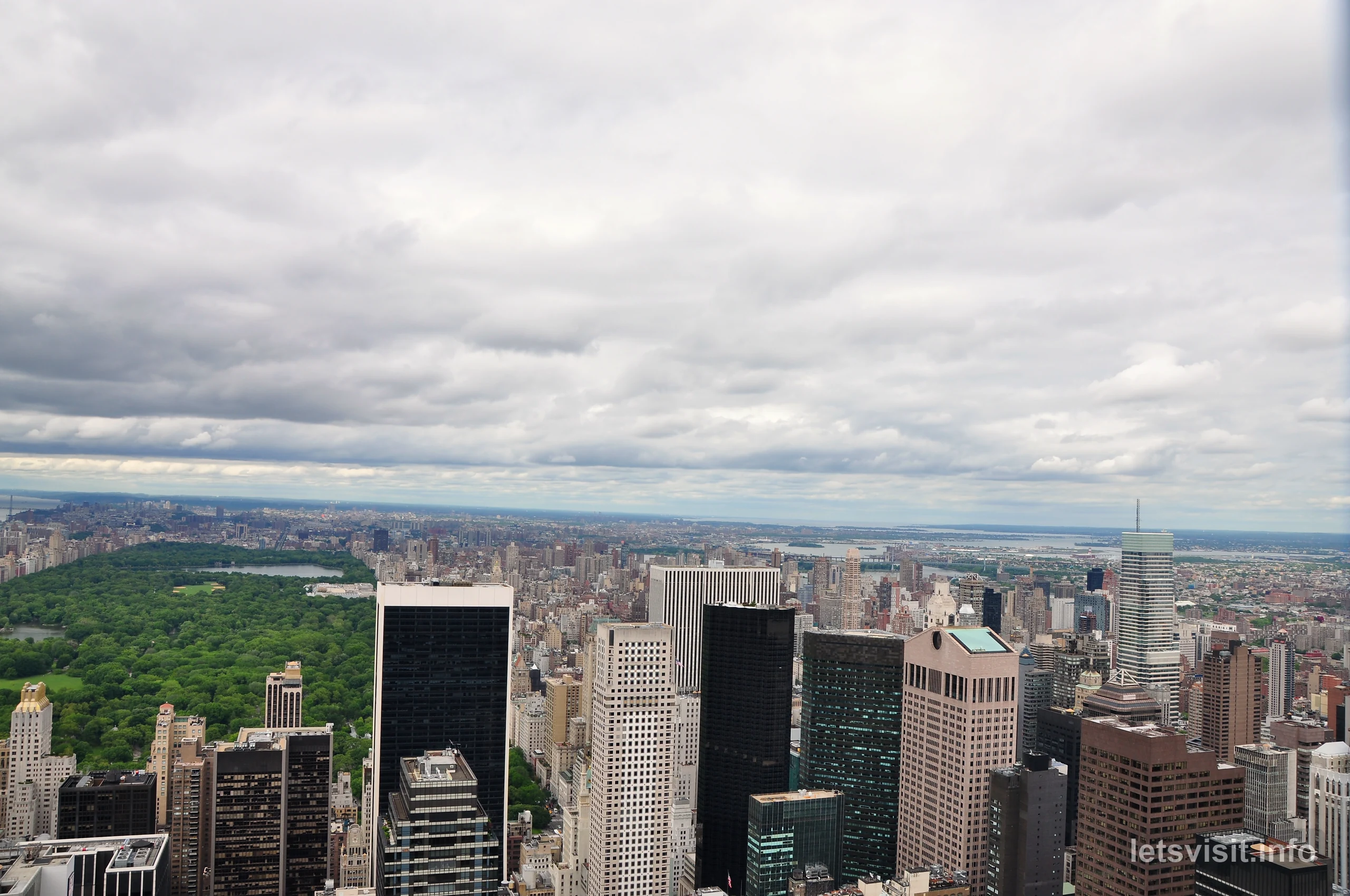
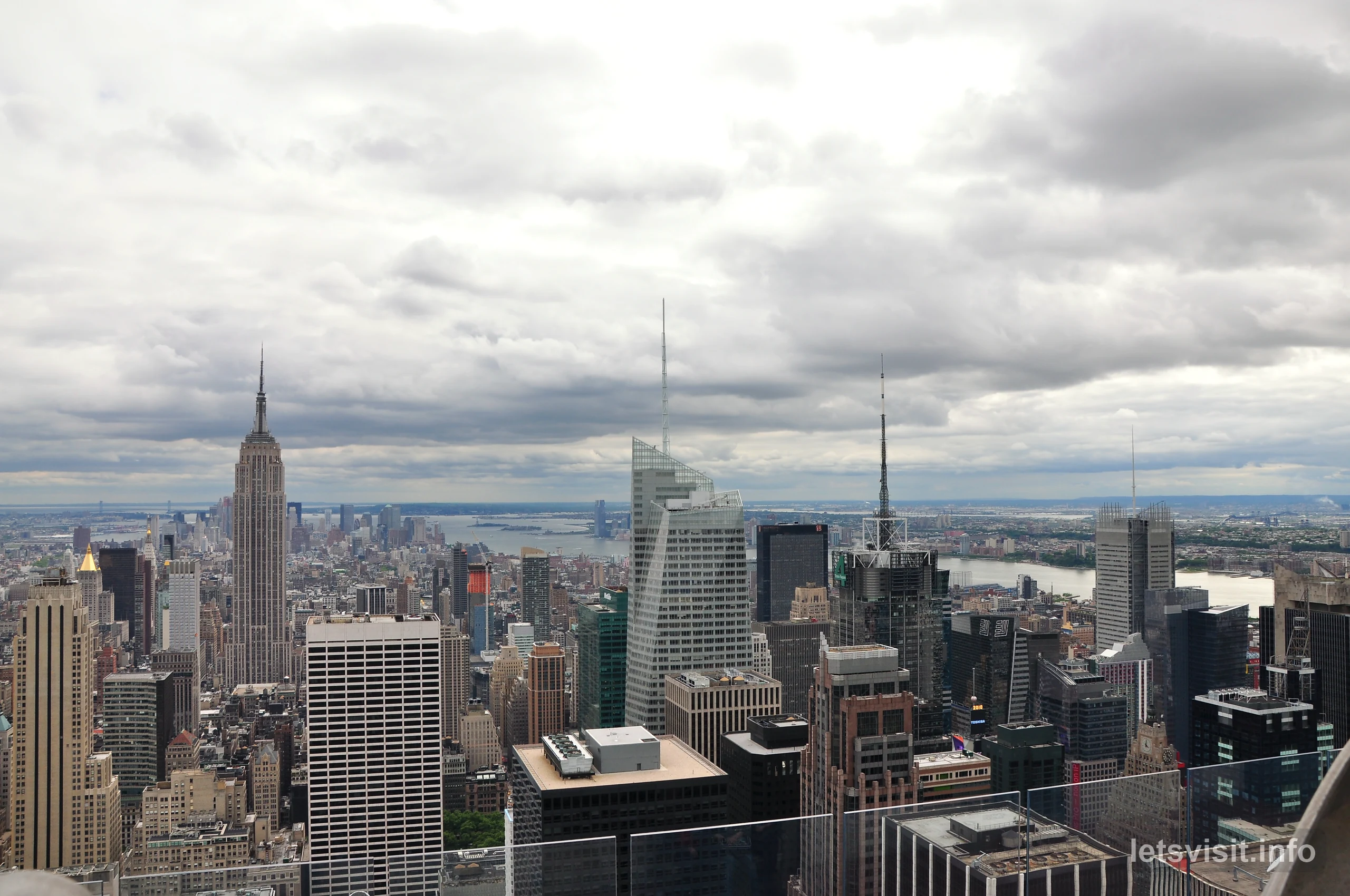
Top of the Rock: Central Park one way, the Empire State Building the other
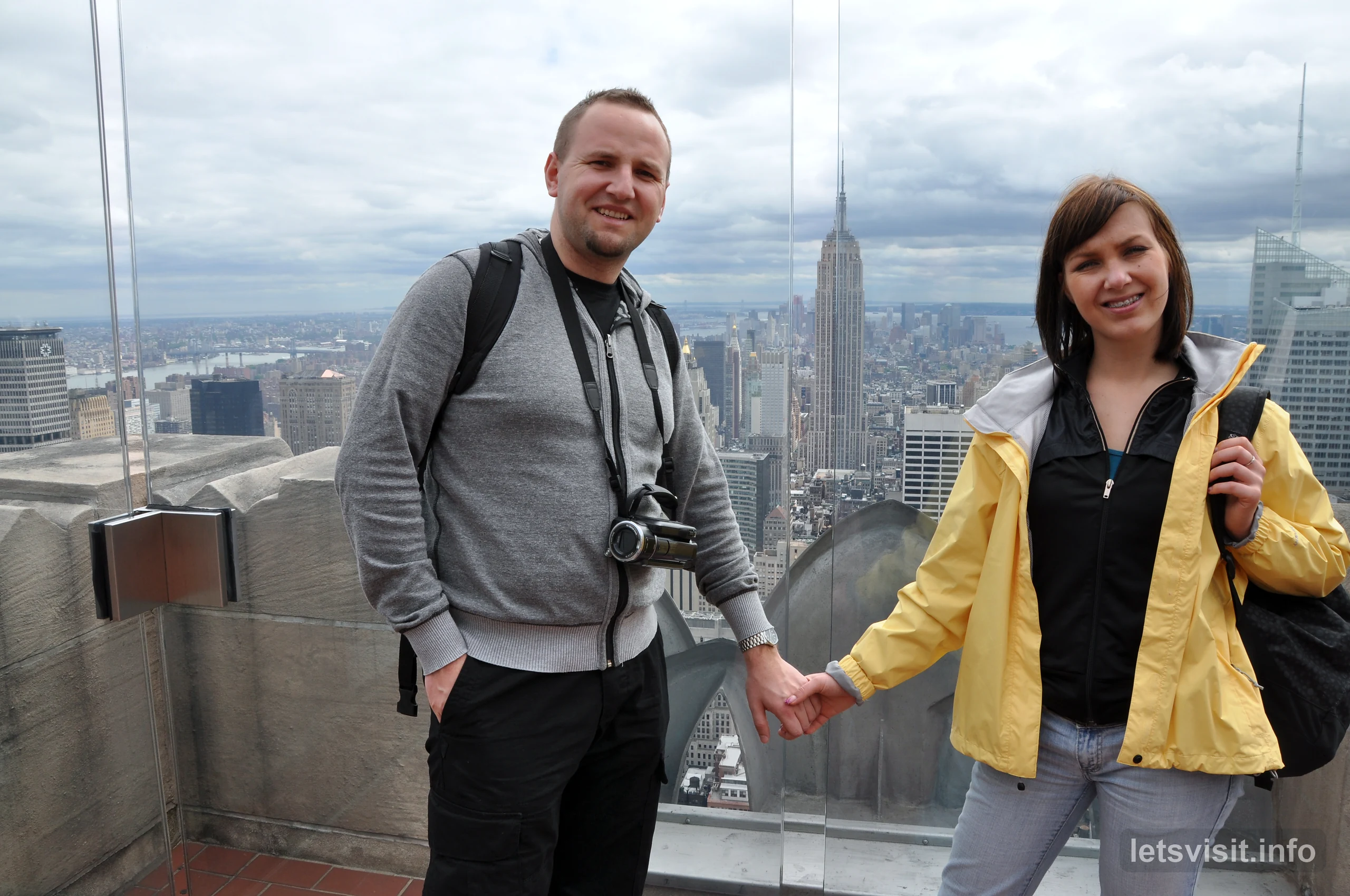
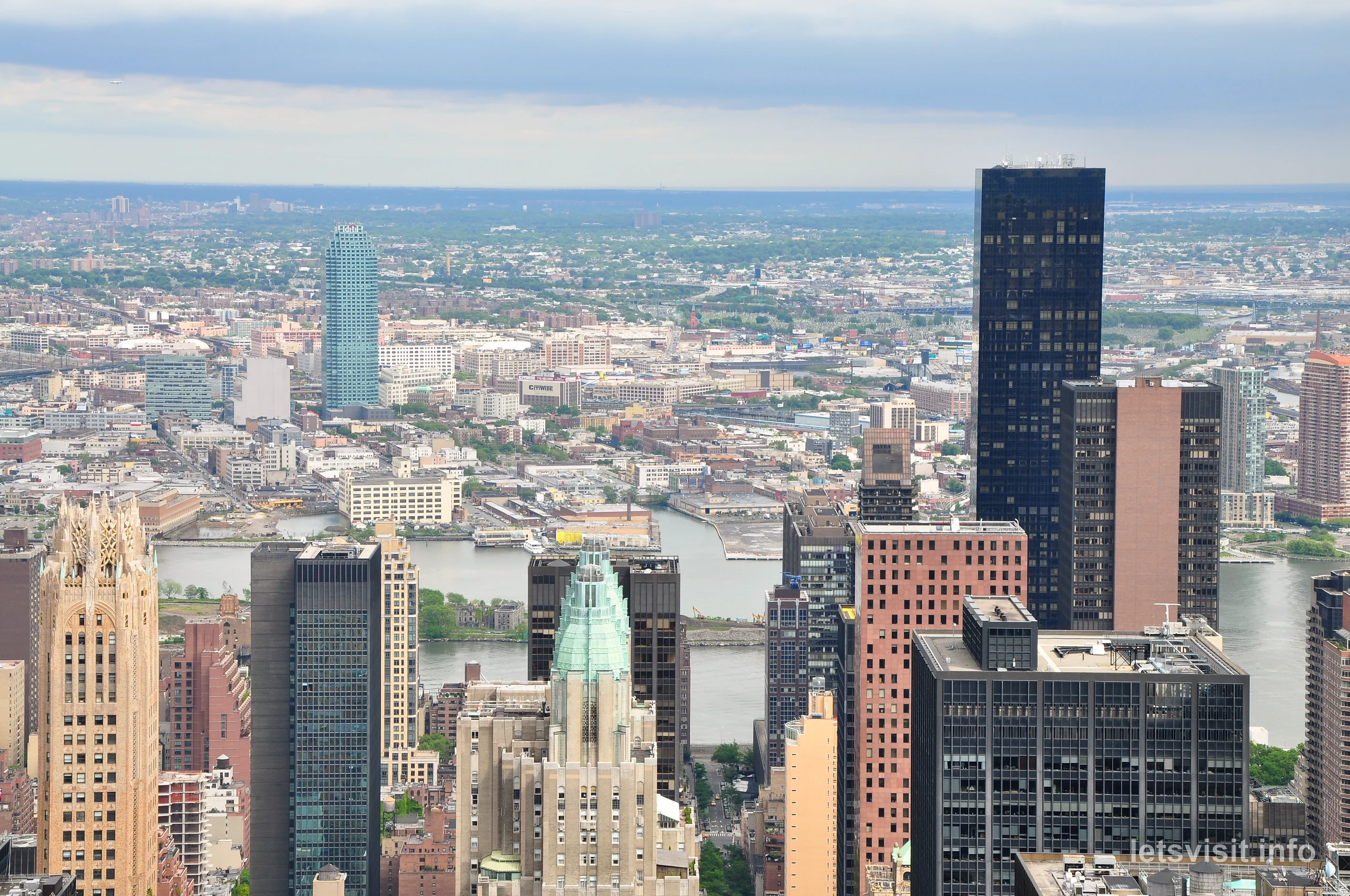
We went up to Top of the Rock at 30 Rockefeller Plaza, where the city opened into a wide panorama. After looking up from streets lined with tall buildings, we could now look across the rooftops and follow the shape of Manhattan.
To the north, Central Park stretched between the surrounding buildings. From this height, the size of its green rectangle was much easier to appreciate. The contrast between the park and the dense streets around it gave the view a clear structure.
Turning south brought the Empire State Building into view. Its stepped form stood prominently above the surrounding buildings, with more of Manhattan extending beyond it. This was one of the advantages of our viewpoint at Rockefeller Center: the Empire State Building itself was part of the panorama.
The observation deck had first opened with the RCA Building in 1933. After a long closure, it reopened as Top of the Rock in 2005, several years before our visit. The decks occupy the 67th, 69th and 70th floors.
The two directions offered quite different photographs. Looking north emphasized the park and the edges of the city around it; looking south brought the concentration of Midtown buildings into focus. Together, they gave us a clearer sense of the places we had been seeing from below.
Along Fifth Avenue: St. Patrick’s Cathedral, Trump Tower and The Plaza
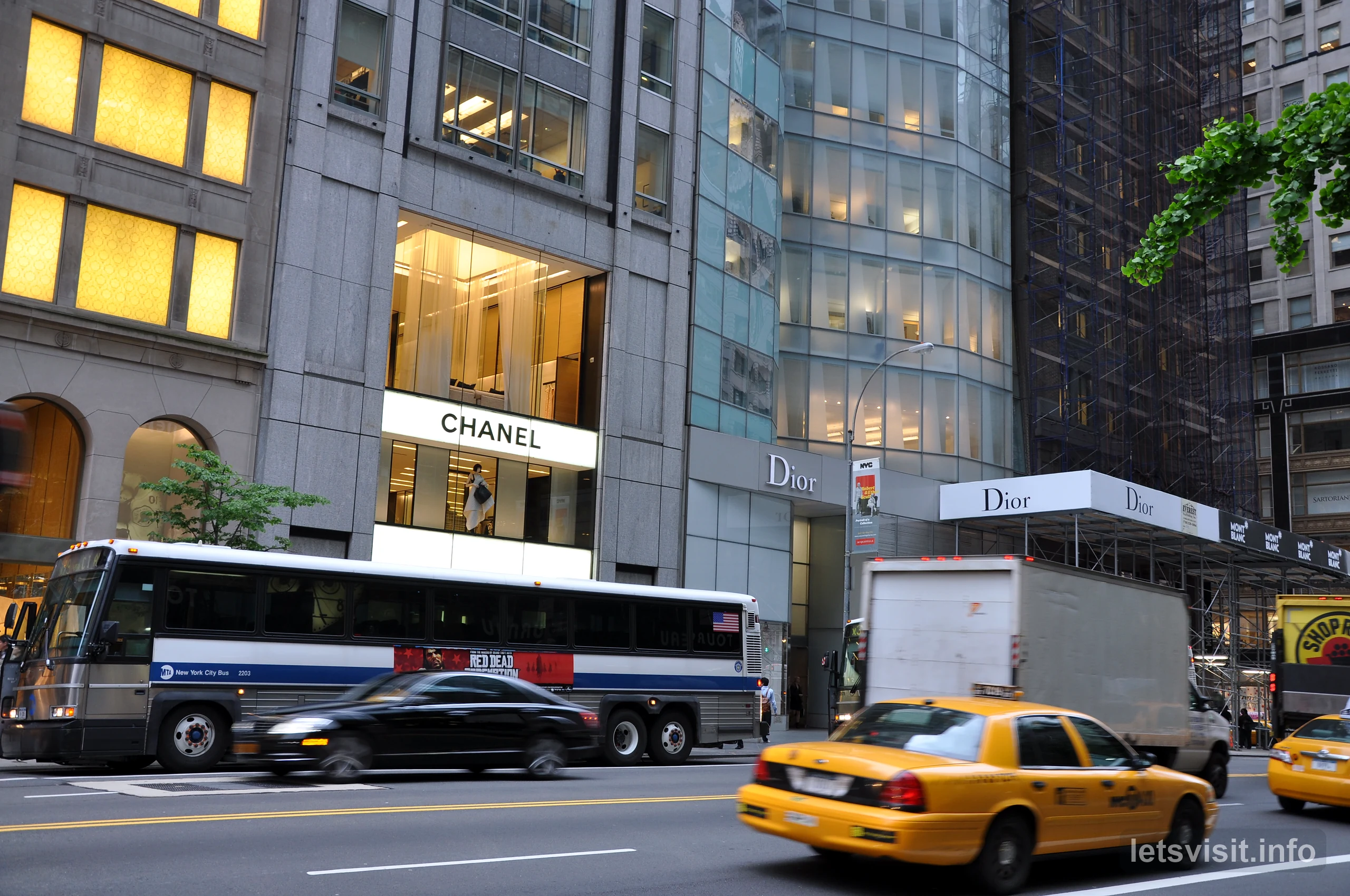
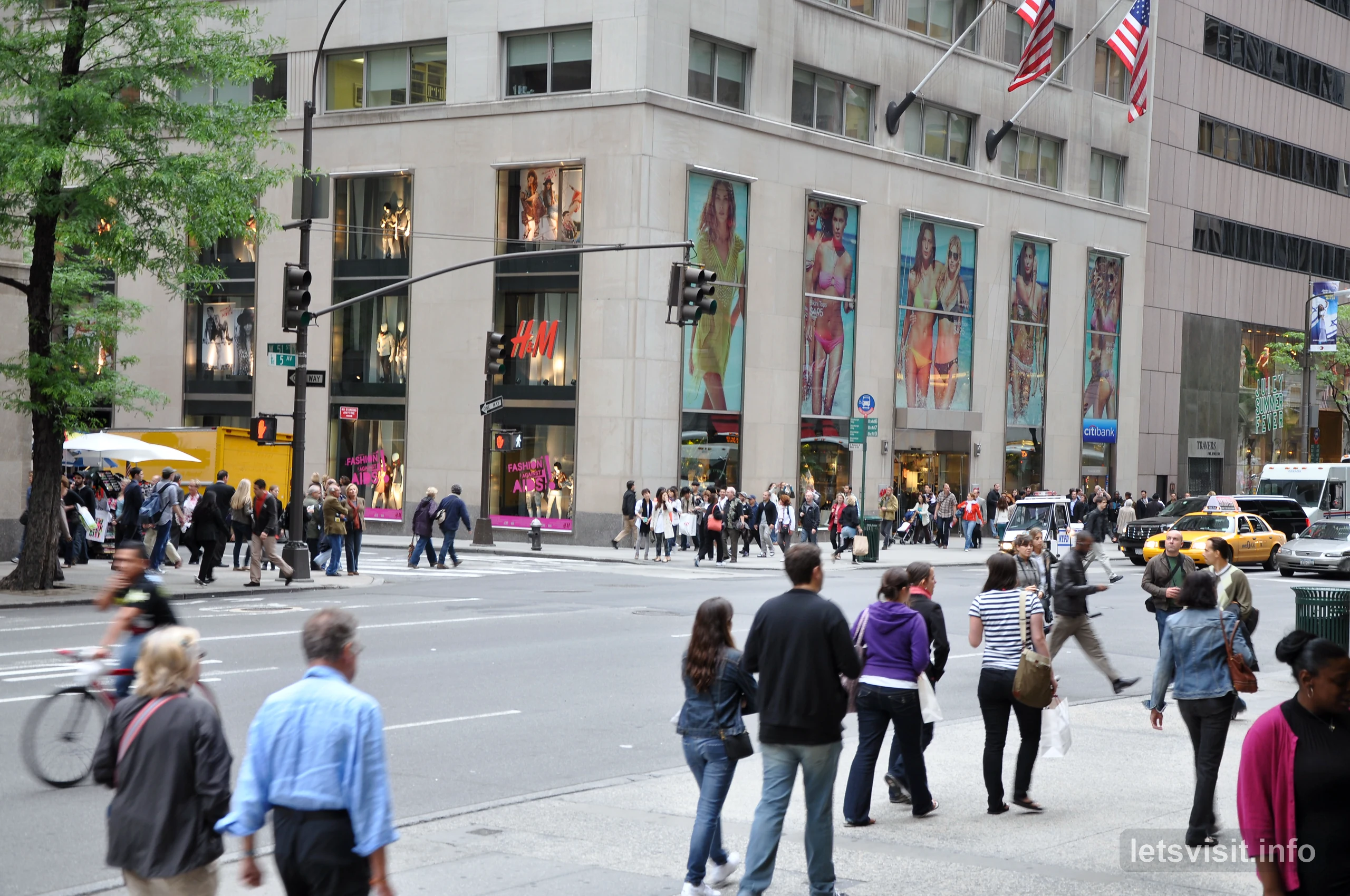
Back at street level, Fifth Avenue brought together another sequence of familiar buildings. We also passed an anti-war demonstration, a small piece of city life among the better-known architectural sights.
St. Patrick’s Cathedral stood out through its pointed arches, carved stonework and twin spires. Designed by James Renwick, the cathedral opened in 1879; its spires were completed in 1888. Seen against the surrounding commercial buildings, its Gothic Revival exterior made an especially clear contrast.
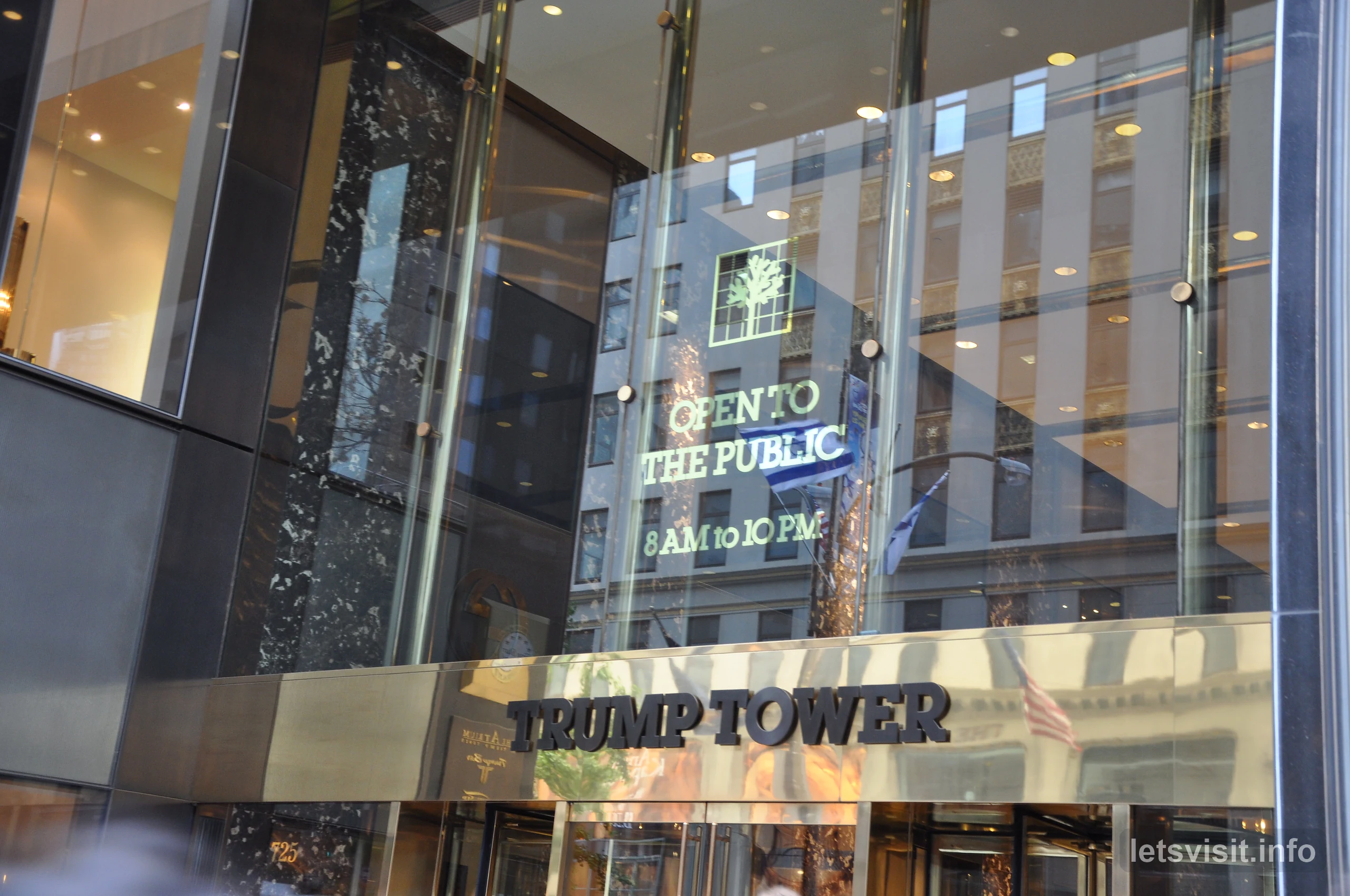
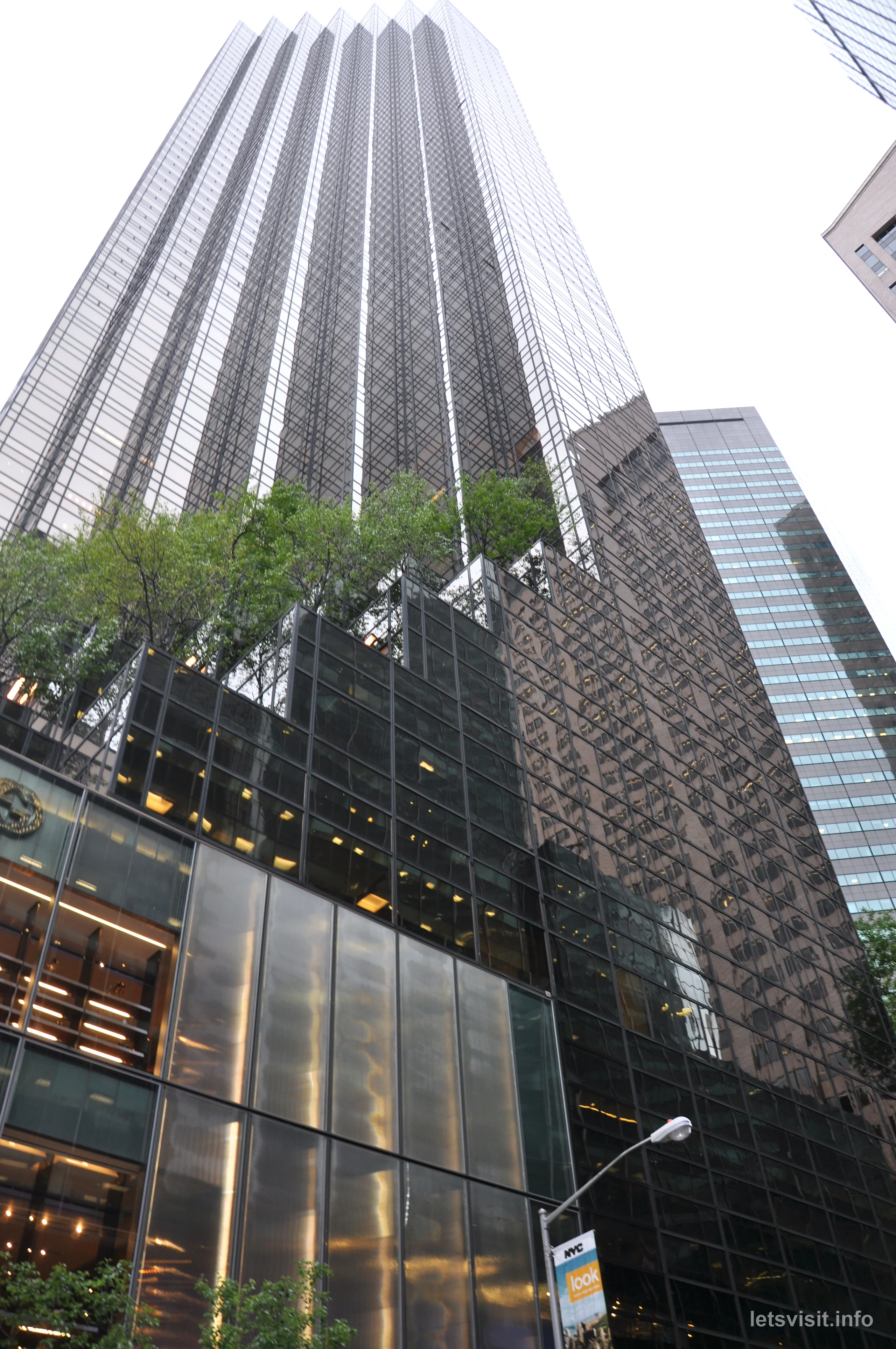
We also passed the entrance to Trump Tower, another recognizable Fifth Avenue address. Farther along, The Plaza marked the edge of Central Park with a very different façade. The hotel opened on October 1, 1907, and its position beside Fifth Avenue and Central Park South makes it part of the approach to the park.
This part of our visit was about the street and its buildings: the cathedral, the tower entrance, the hotel and the people moving between them. The variety was visible without going inside.
Central Park and Bethesda Terrace
After seeing Central Park from above, we entered the park itself. The broad view from Top of the Rock gave way to paths, trees and people spending time outdoors. At Bethesda Terrace, a performer making large bubbles drew the attention of nearby families.
The terrace is one of the park’s principal architectural spaces. Calvert Vaux designed it with Jacob Wrey Mould, who was responsible for its intricate carved details. Its stairs and balustrades frame the lower terrace and the setting around Bethesda Fountain.
The fountain’s central sculpture, Angel of the Waters, was created by Emma Stebbins and dedicated in 1873. It commemorates the Croton Aqueduct, which brought fresh water to New York in 1842. That connection gives a familiar park landmark a story about the city’s growth and public health.
Around the terrace, the architecture and the activity belonged to the same scene. The bubble performer, the people watching and the surrounding greenery gave our park visit a different pace from the streets of Midtown.
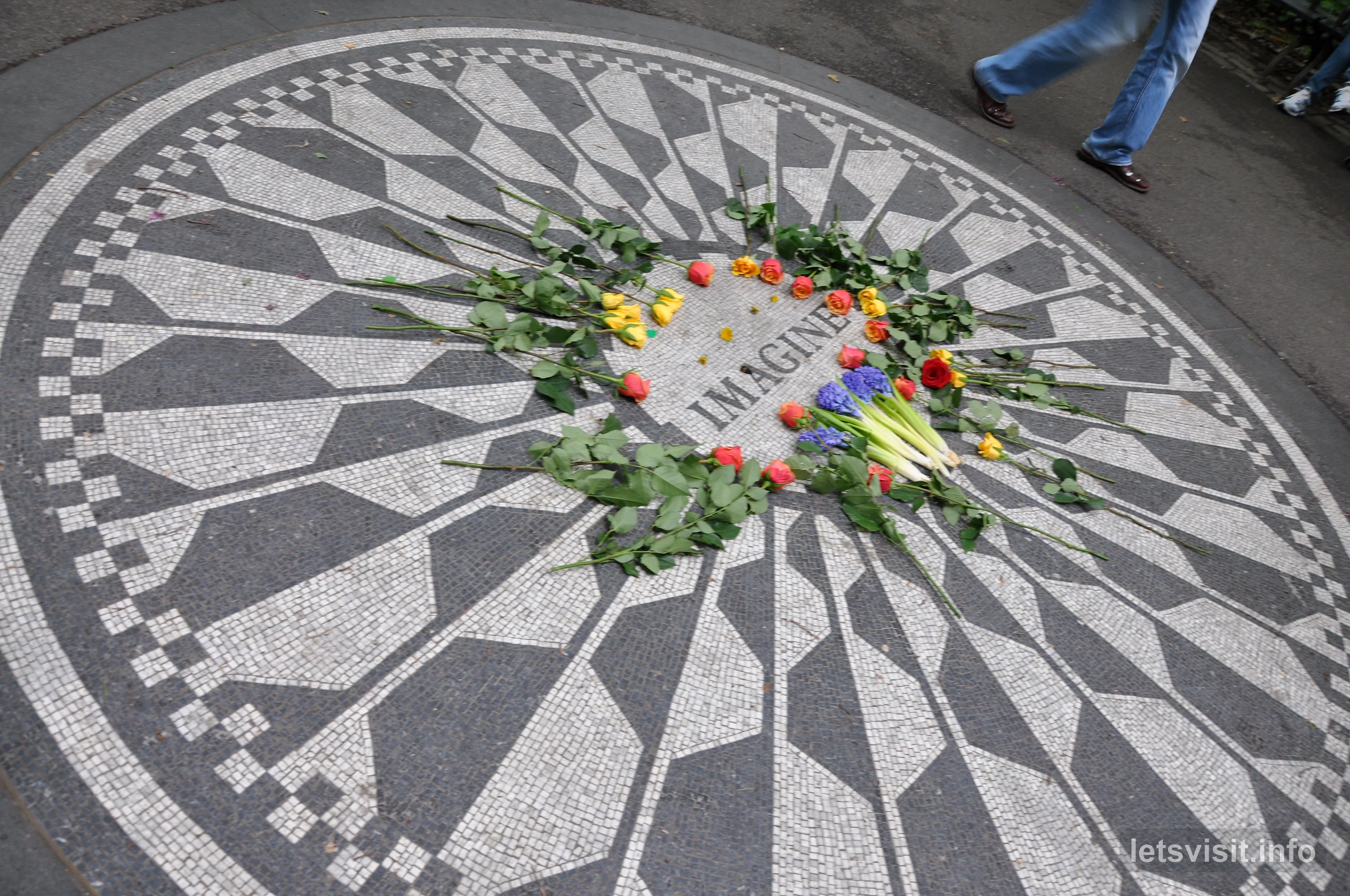
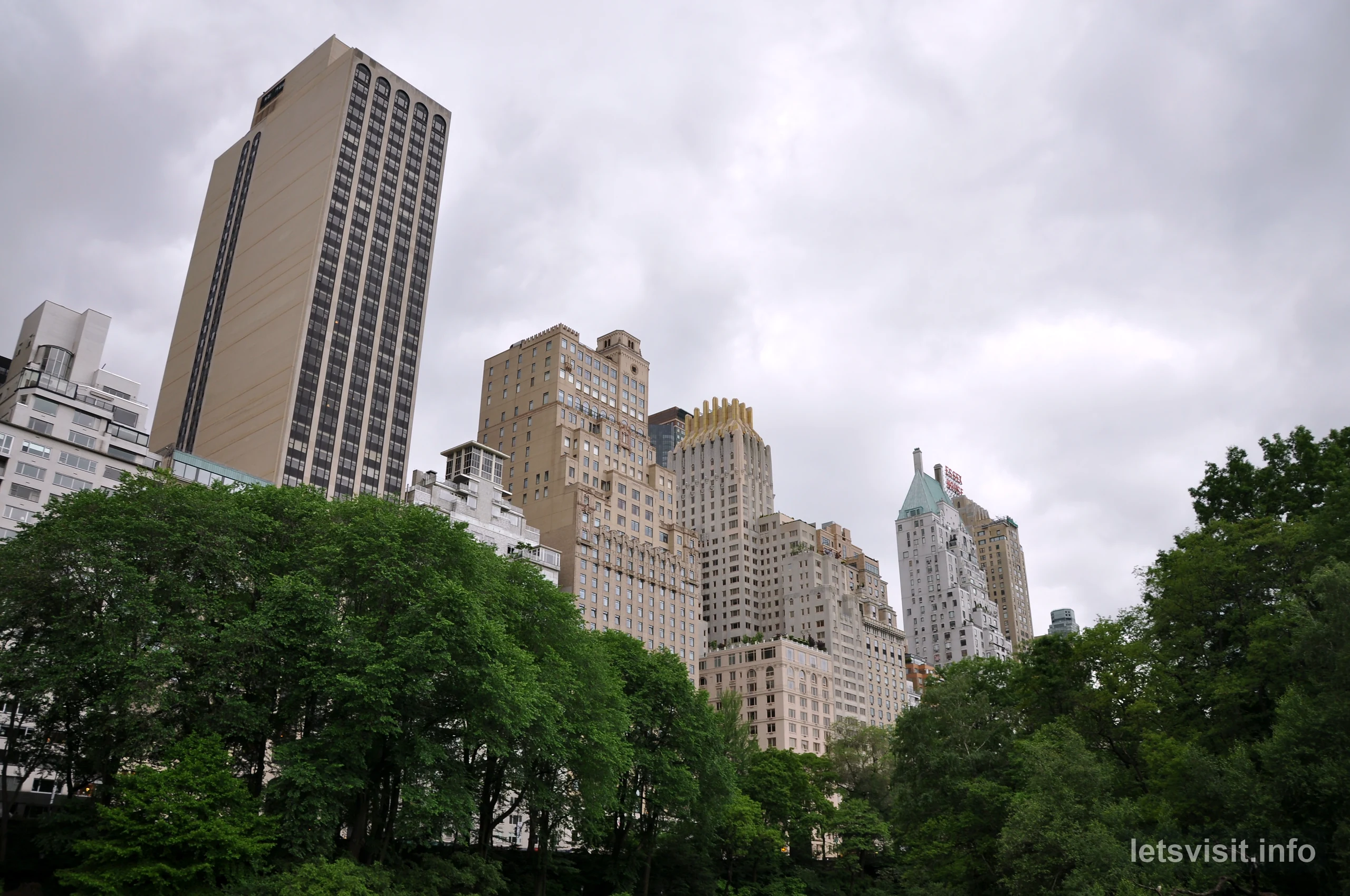
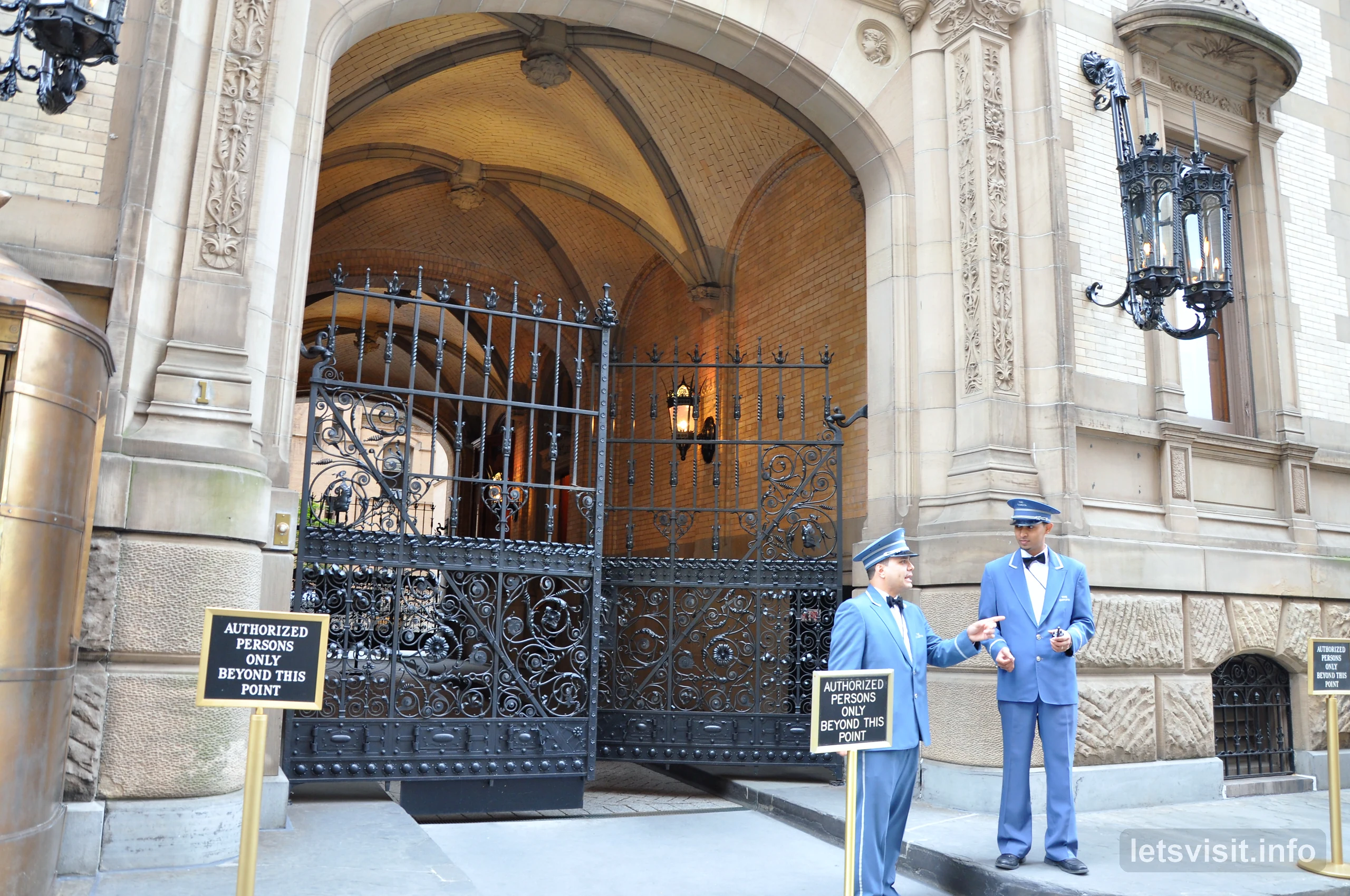
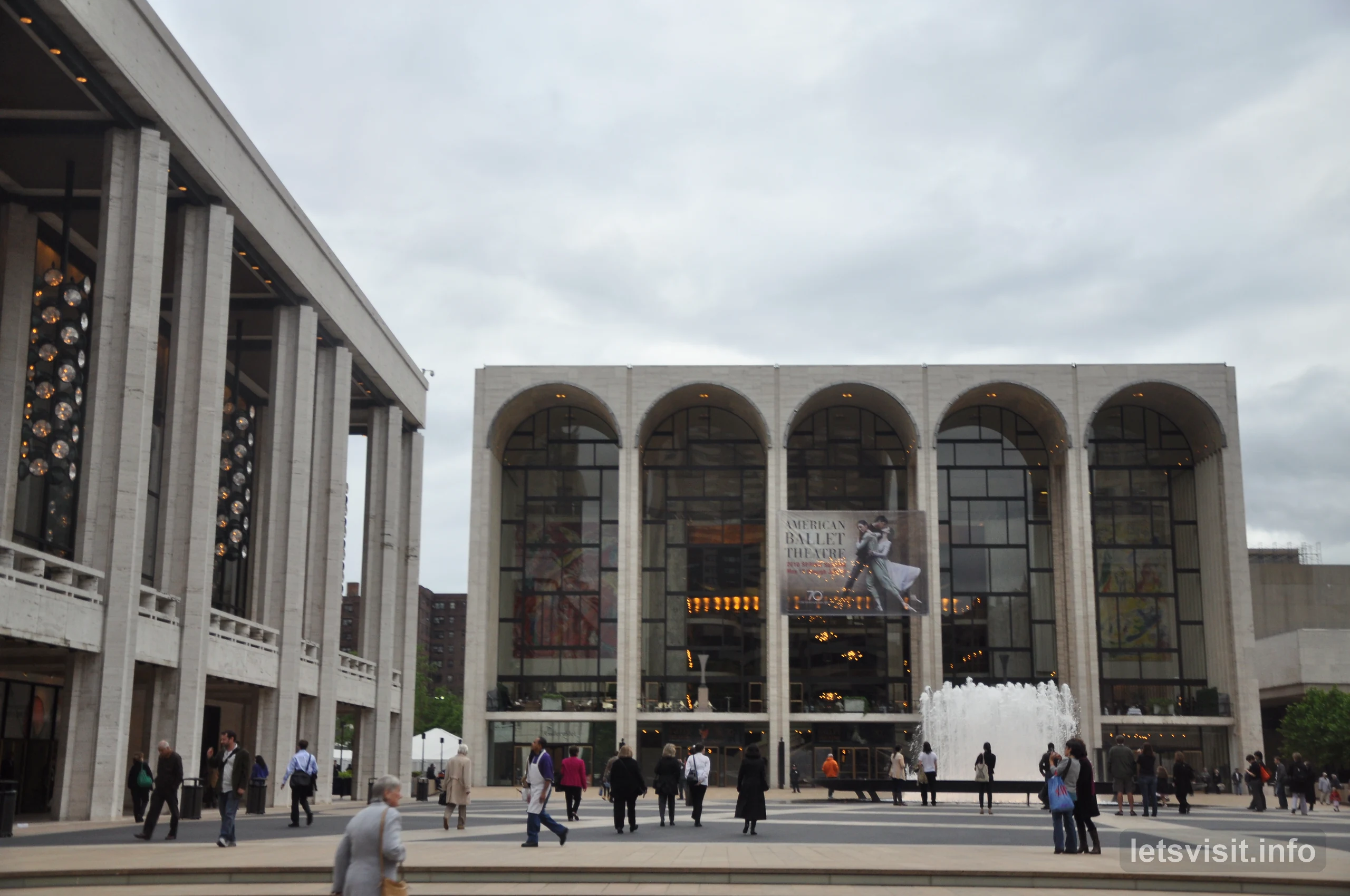
More views from our New York visit
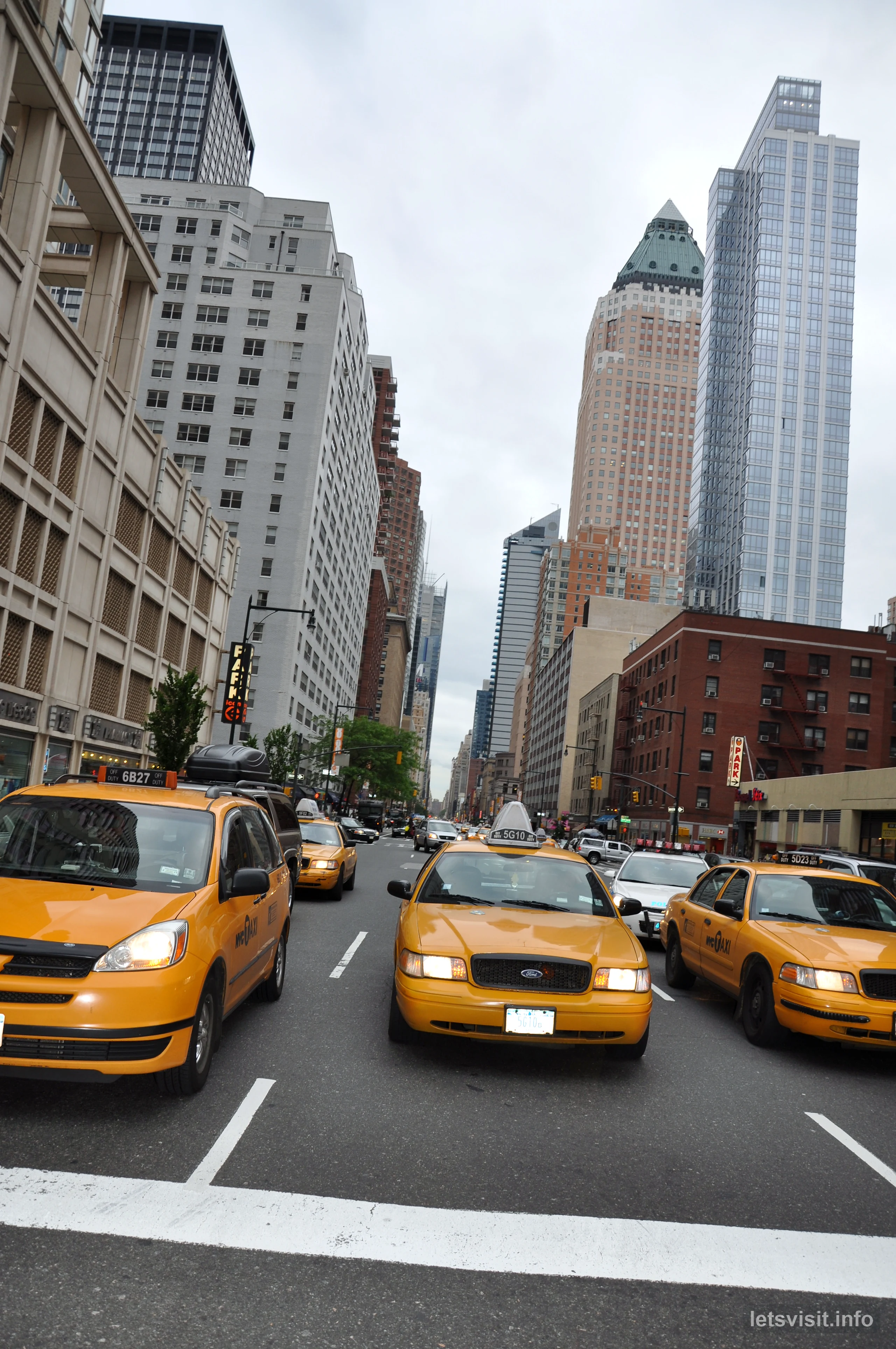
Times Square after dark
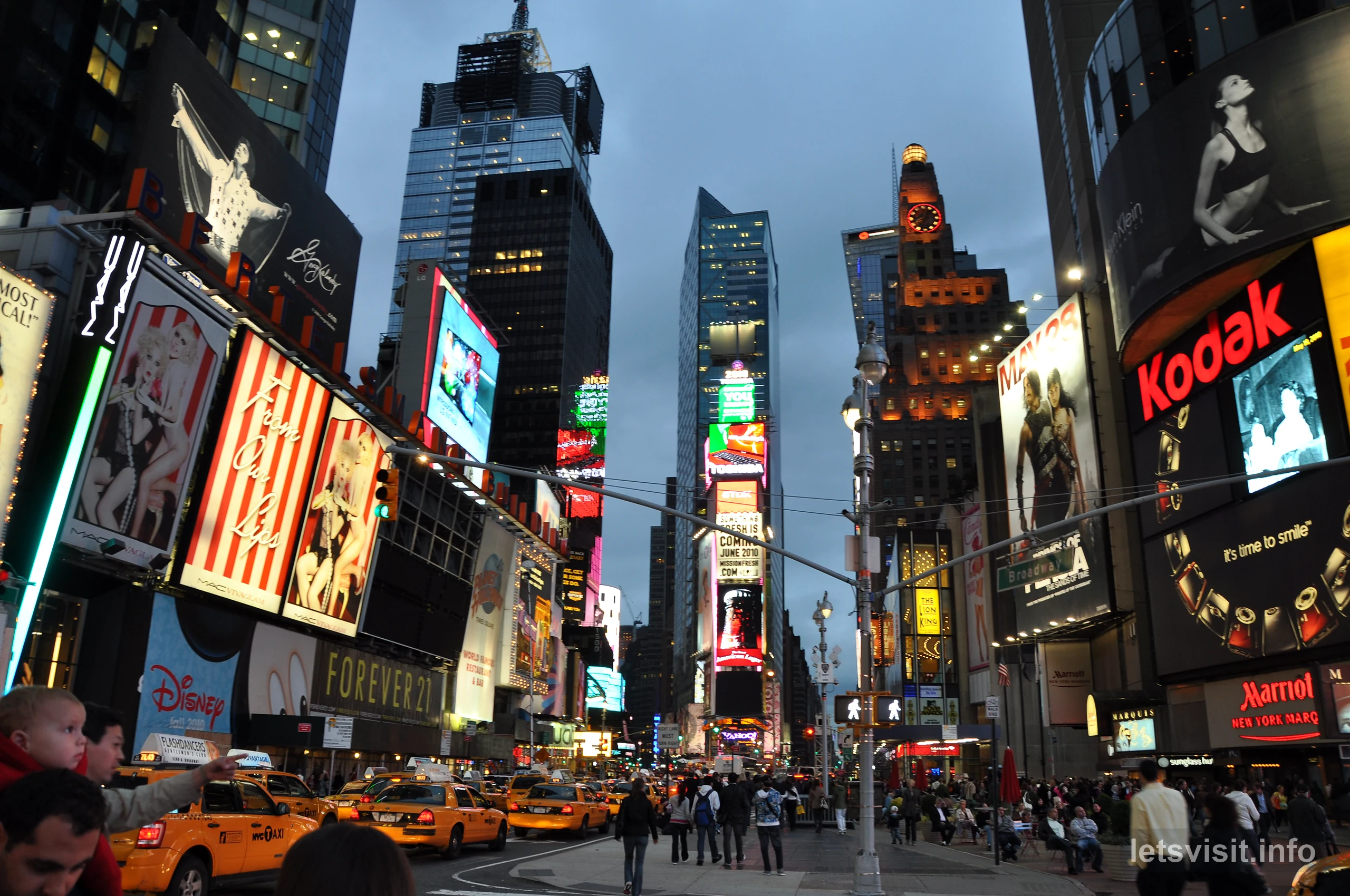
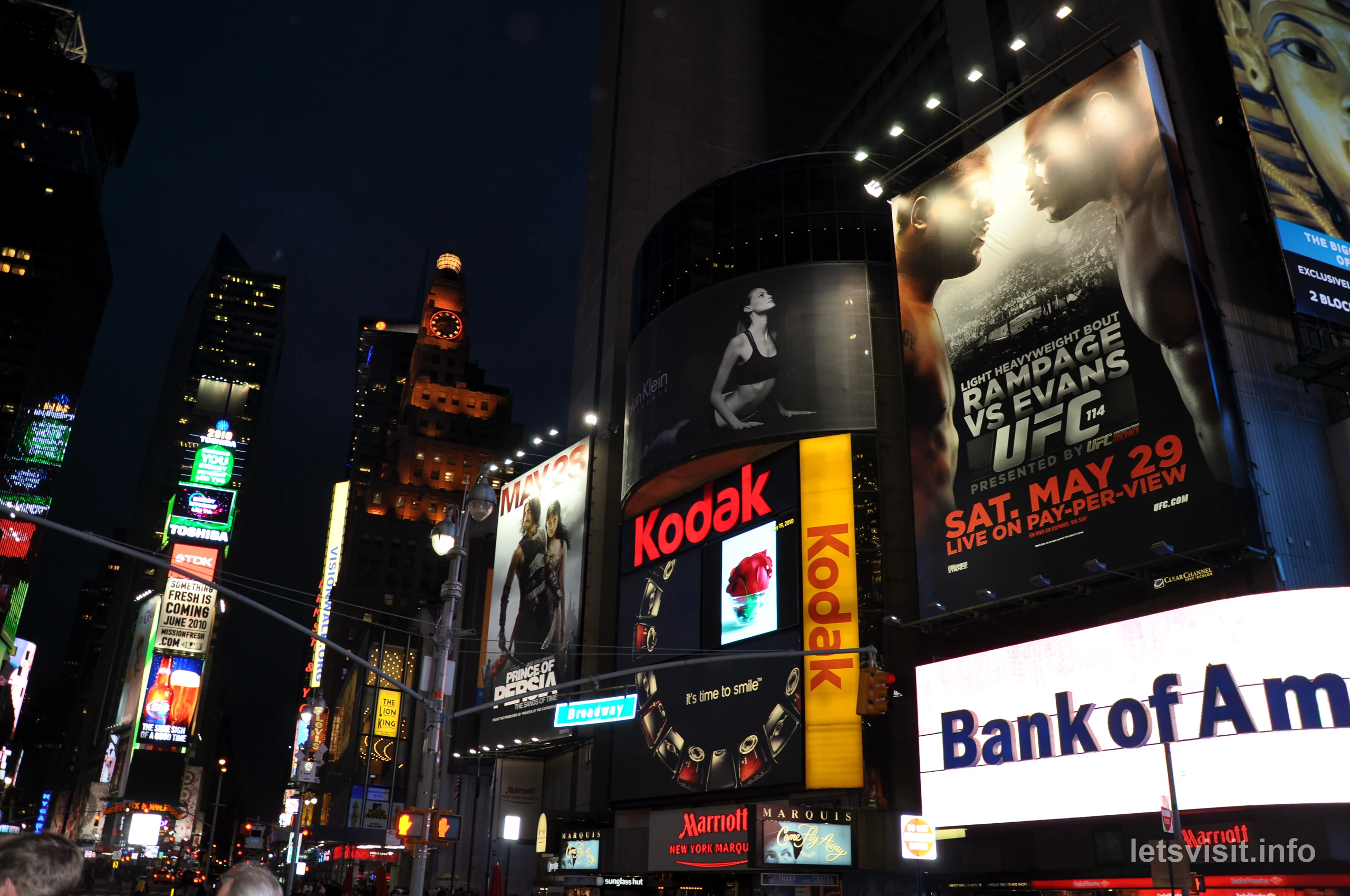
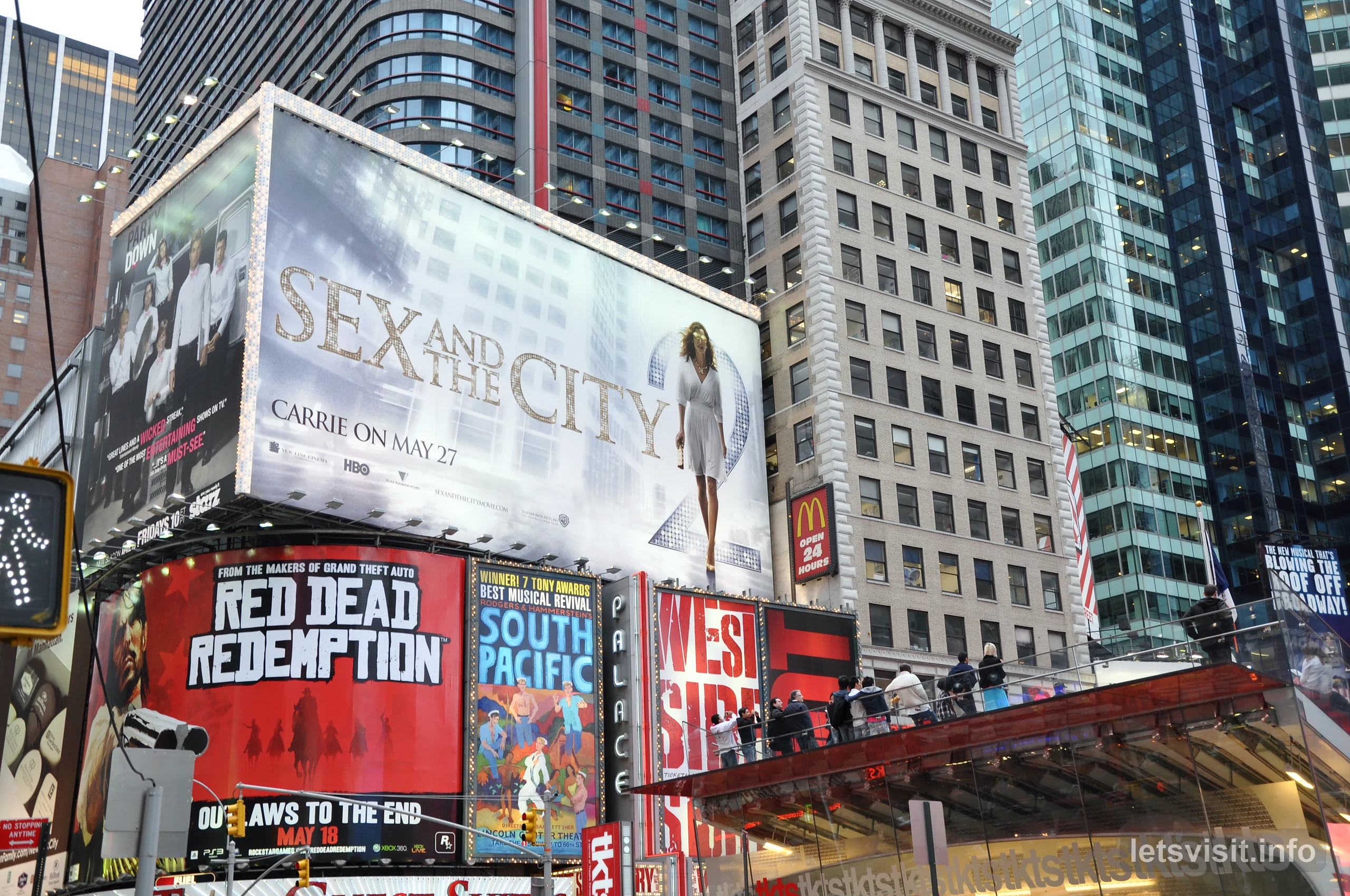
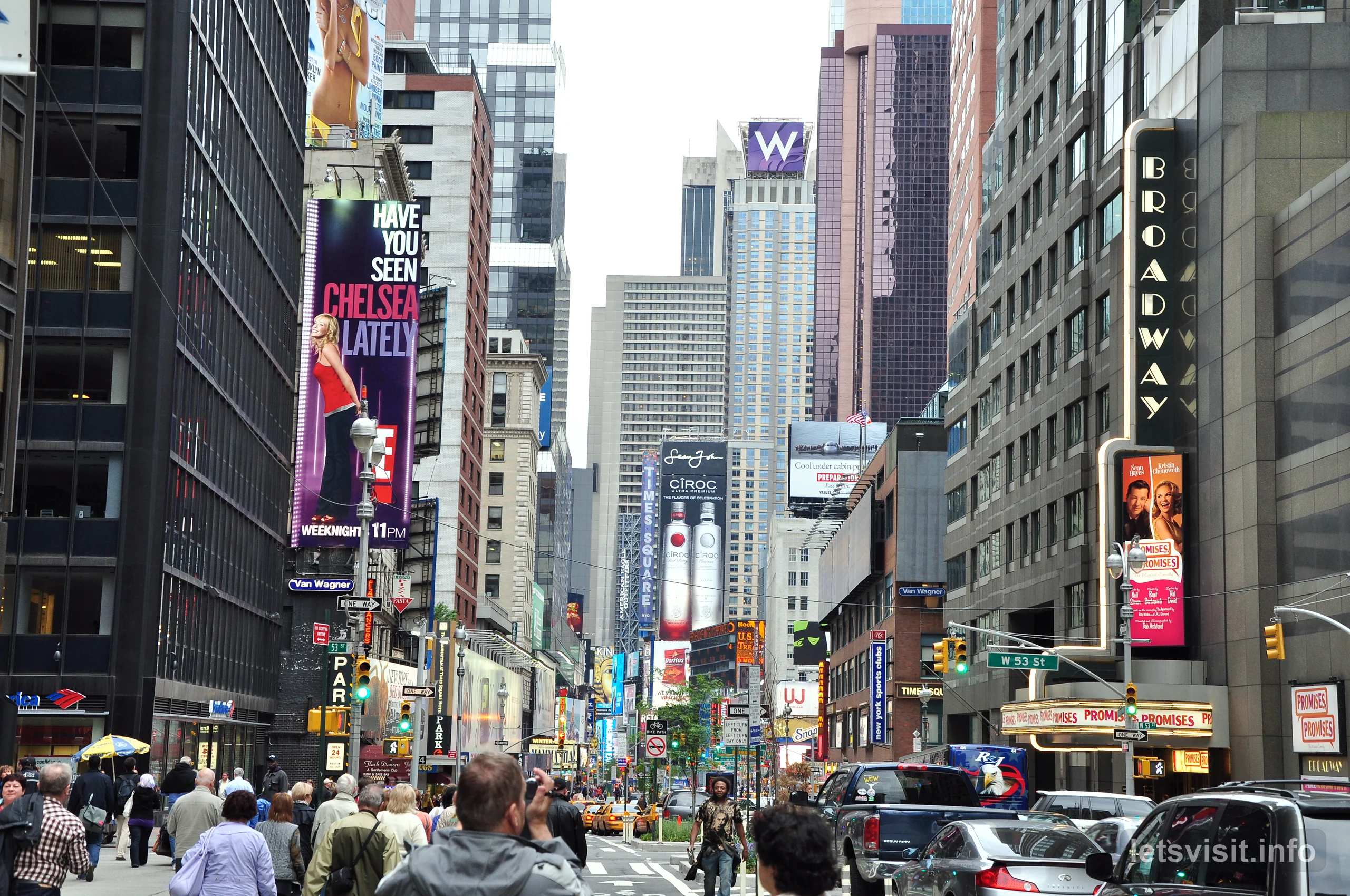
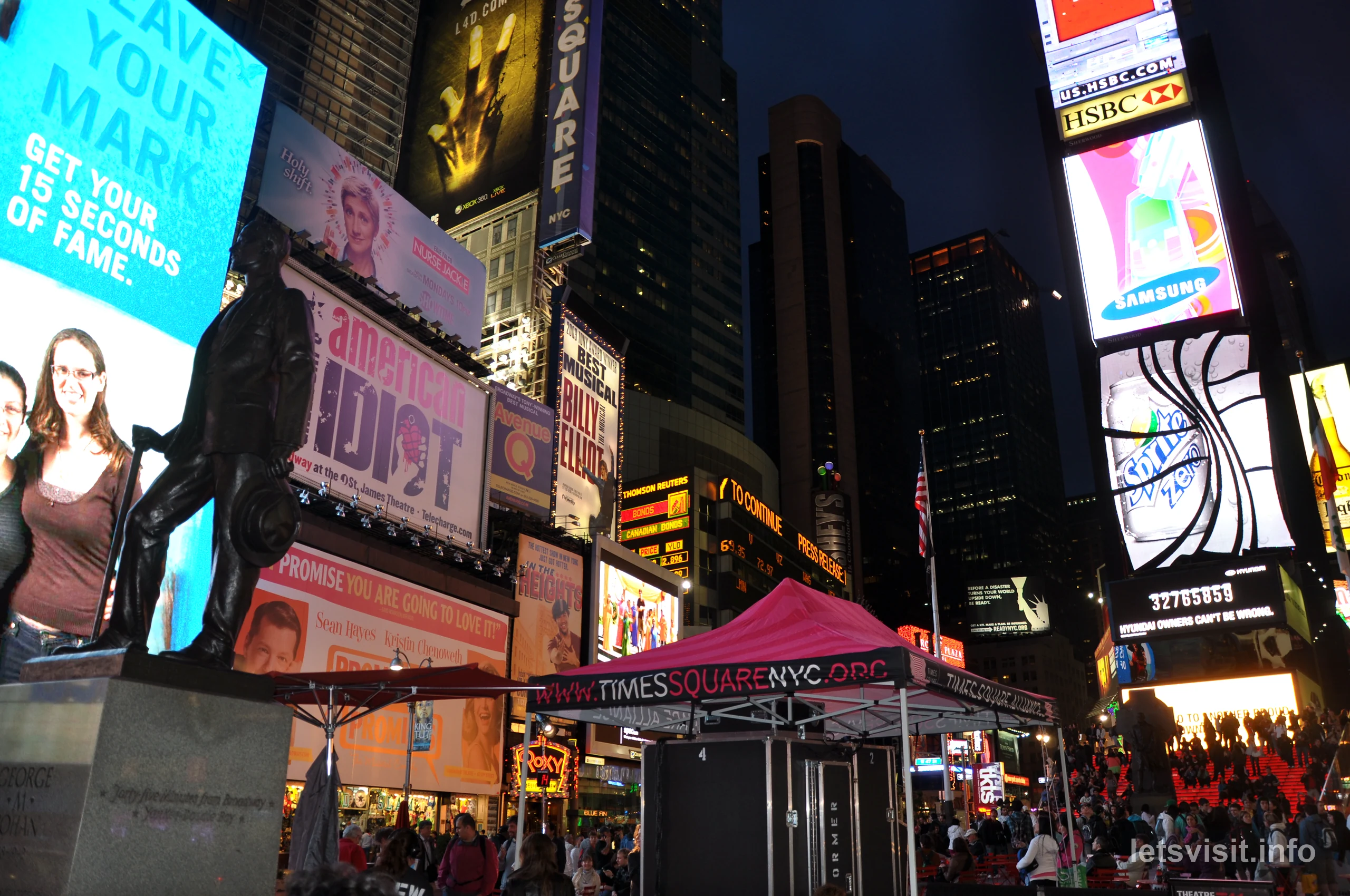
Our film ends at Times Square after dark, with illuminated advertisements filling the view above the street. The scale was different from the daytime scenes: large screens and signs drew attention upward while people moved through the brightly lit space below.
The district’s name comes from The New York Times, whose new headquarters helped bring about the change from Longacre Square to Times Square in 1904. By the time of our visit, advertising was a defining part of the place, covering the buildings in a constantly changing display.
The film advertisements included Sex and the City 2 and Prince of Persia. They sat among the other signs and screens we saw that night, giving the scene details specific to our visit.
After the harbor, the Financial District, the observation deck and Central Park, Times Square brought the film to a busy, brightly lit close. It was another very different view of the same city.
Final thoughts from New York
Our New York visit brought together places we recognized immediately and details that only emerged as we moved through the city. The harbor showed Manhattan from a distance, the Financial District put its older buildings close together, and Top of the Rock opened the view over streets we had seen from below.
Central Park and Times Square added two more sides of the visit: people gathered around a terrace in the greenery, then crowds beneath the illuminated signs after dark. Together with the photographs, our film shares those different views of New York as we saw it in 2010.
Photos & video
Original photographs and travel footage from our 2010 visit to New York City — Let’s Visit by Radon.